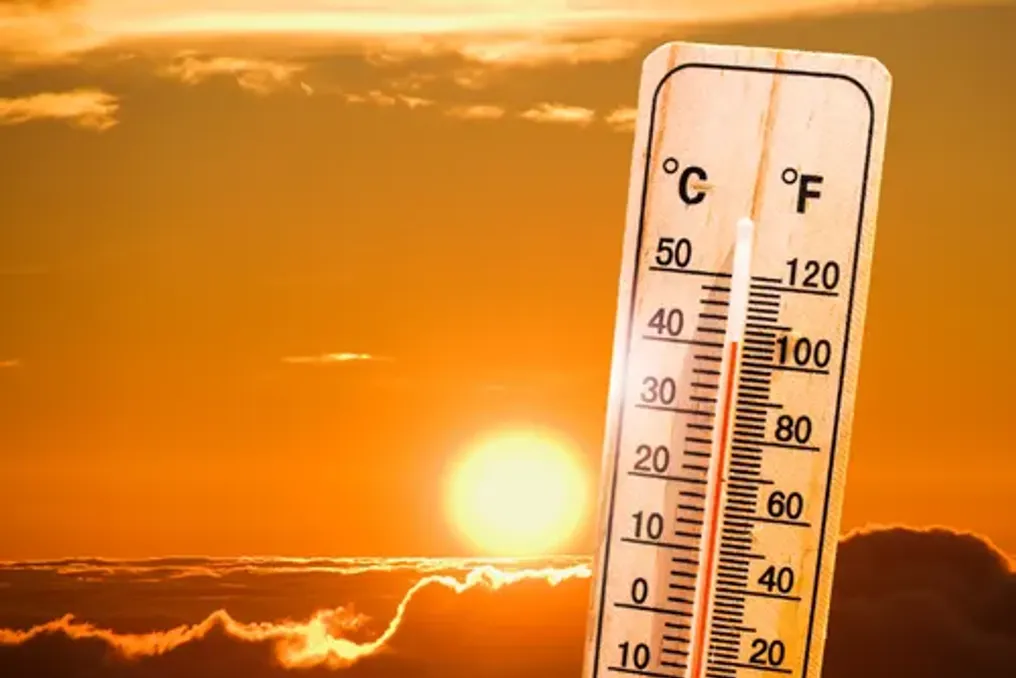
Residents of KwaZulu-Natal province are urged to prepare for potential drought conditions, prolonged dry spells, and severe heatwaves, as the seasonal forecast indicates reduced rainfall and increased temperatures.
Tulasize Buthelezi, a member of the executive committee for local government and traditional affairs in KwaZulu-Natal, appealed to residents, farmers, and businesses to take precautionary measures against the potential impact of El Niño.
According to the South African Weather Service (SAWS), El Niño occurs when sea surface temperatures in the central and eastern equatorial Pacific Ocean rise above average, which affects weather patterns and increases the likelihood of drier conditions in parts of southern Africa.
The seasonal forecast predicts that from October to December 2026, KwaZulu-Natal may experience lower rainfall, and these conditions could persist until March 2027. Increased temperatures and a higher risk of frequent and severe heatwaves are also forecasted, raising concerns about water security, public health, and agricultural production.
Water Supply and Food Security Challenges
Potential consequences include water shortages, wildfires in pastures and forests, reduced agricultural output, livestock stress, and increased strain on healthcare facilities. Children, the elderly, and residents of informal settlements are particularly vulnerable to extreme heat.
Prolonged dry conditions during the planting season can also negatively affect crop yields, livestock farming, and food security across the province. Buthelezi strongly recommended that communities closely monitor official meteorological warnings and take preventive measures to minimize potential impacts on their families, livelihoods, and property.
KwaZulu-Natal's Disaster Preparedness
The provincial Disaster Management Centre (PDMC) coordinates preparedness efforts with relevant provincial departments, municipalities, and other stakeholders. These structures include departments responsible for health, agriculture, water and sanitation, environmental matters, and social development.
These measures aim to strengthen provincial response, monitor drought indicators, and reduce risks to the population. Buthelezi stated that 'the PDMC will closely track drought indicators and coordinate readiness planning across the province.'
He added that municipalities are involved in fixing water leaks, strengthening water conservation measures, and developing contingency plans to maintain water supply. Water services have also been called upon to prioritize conservation and ensure appropriate drought response measures. The Department of Water and Sanitation will monitor reservoir levels and support drought response measures, while the Department of Agriculture will continue to advise farmers on sustainable farming methods and drought-resistant crops.
Calls for Farmers and Residents to Take Precautions
Farmers were advised to closely monitor the condition of their livestock and take steps to protect animals from heat stress and water scarcity. Residents are also urged to use water responsibly, avoid actions that could trigger wildfires in pastures and forests, and exercise caution during periods of intense heat.
Buthelezi noted that the provincial government will collaborate with municipalities, technical experts, social partners, and traditional leaders known as Amakhosi to ensure timely community notification and provision of practical advice. He emphasized: 'Disaster preparedness is a collective responsibility, and early action can help mitigate the impact of these conditions on our people and their livelihoods.'
The executive committee member urged residents to follow official meteorological advice, pay attention to warnings, and take necessary steps to protect their families, livestock, and property.