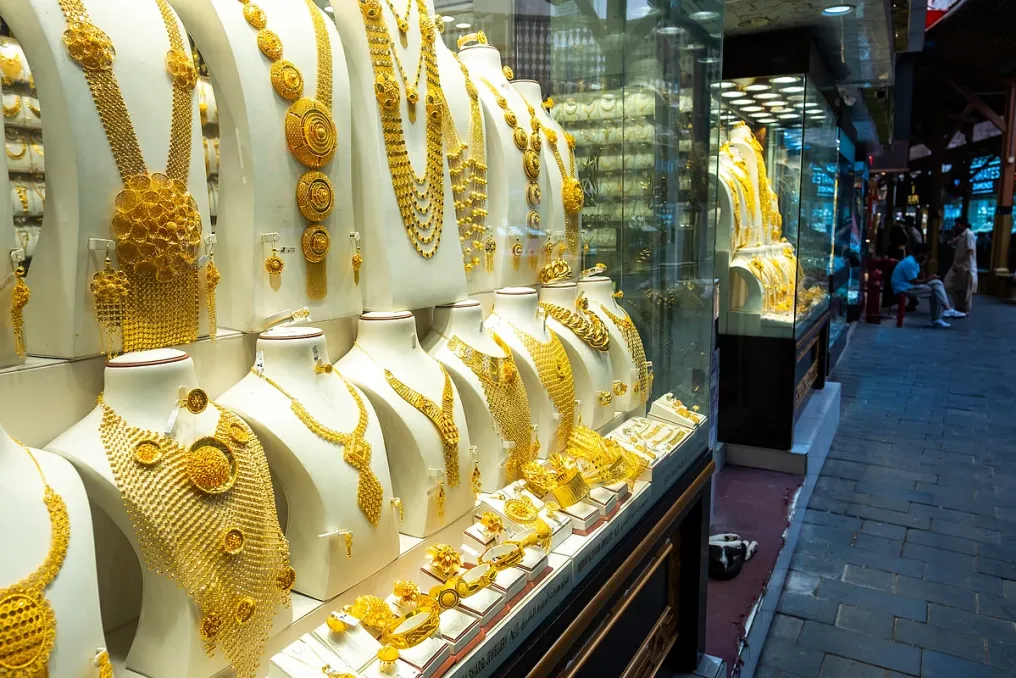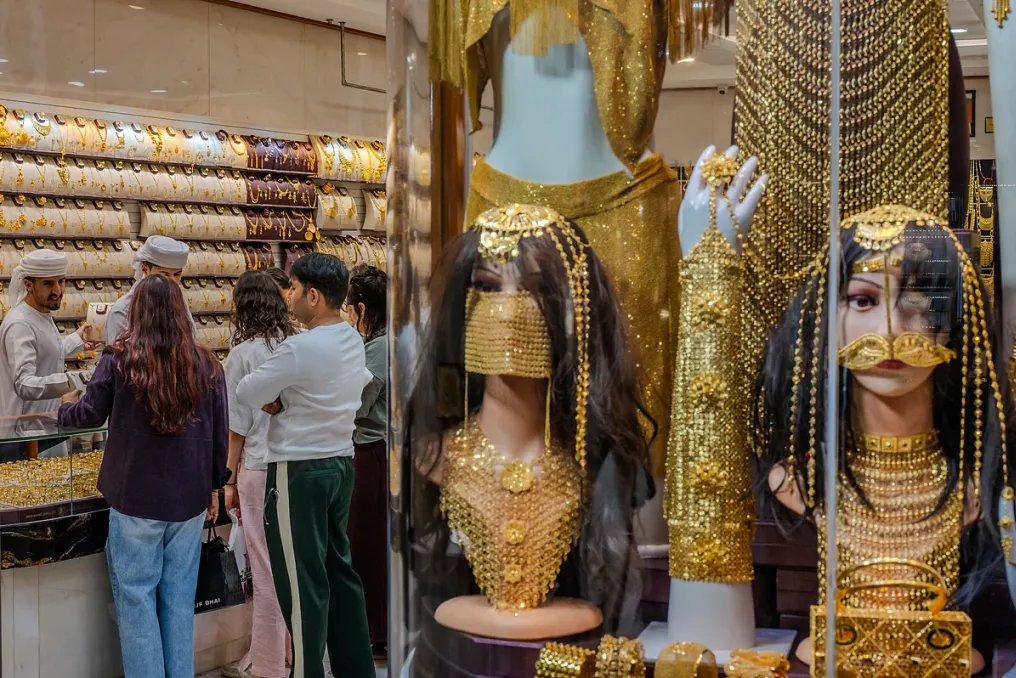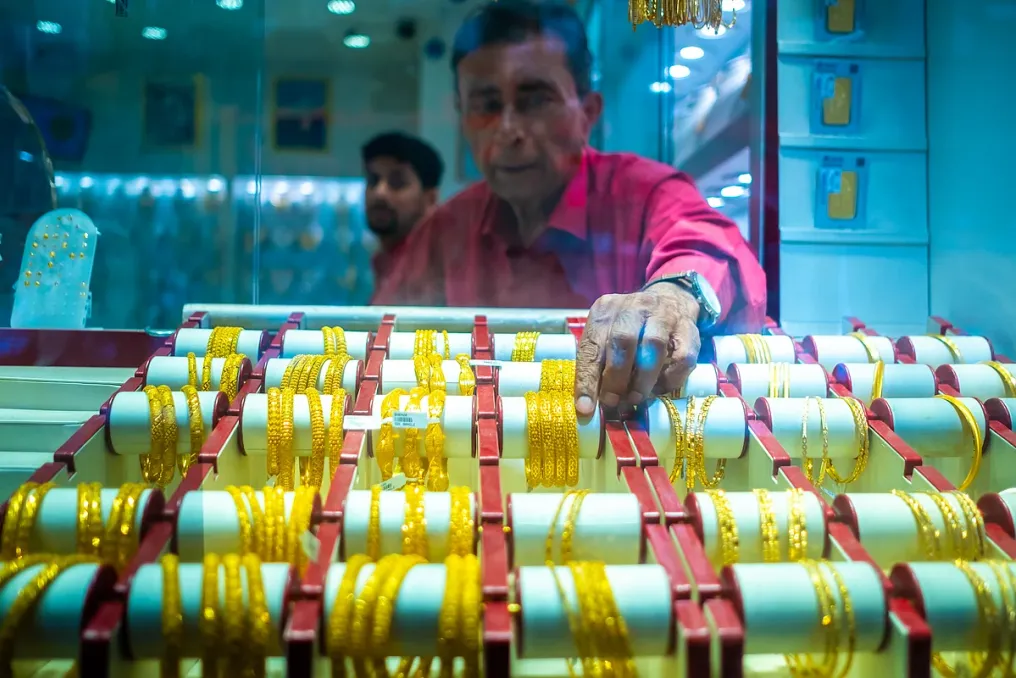
Residents of the United Arab Emirates who plan to sell old gold jewelry and purchase new items before Indian festivals should avoid five typical mistakes. An industry expert warns that such errors can lead to the loss of hundreds or even thousands of dirhams.
Dhanteras falls on Friday, November 6th, and Diwali is on Sunday, November 8th. Traditionally, it is considered auspicious to buy gold on these days, and jewelry stores across the UAE usually see a large influx of visitors from the Indian community.
According to data from the Dubai Jewellery Group, prices for 24K, 22K, 21K, and 18K gold closed at Dh502.0, Dh464.75, Dh445.75, and Dh328.0 per gram respectively during the week.
Rishi Vaya, co-founder of sellyourgold.ae, noted that many sellers begin transactions without proper preparation and risk receiving an amount less than the actual value of their gold.
Five Mistakes to Avoid
The first mistake is not knowing the purity and weight. Gold is primarily valued based on its purity and weight. Sellers who do not know whether their jewelry is 18K, 21K, 22K, or 24K, or what its weight is, are at a disadvantage, according to Vaya. He advised checking the hallmark, assessing the weight, and researching the current market price before approaching a buyer.
The second mistake is misunderstanding the valuation of jewelry with stones. Typically, buyers only pay for the gold content, not for the design or the gemstones. Stones are valued separately, and manufacturing charges are not reimbursed when selling jewelry. Vaya emphasized: 'Sellers expecting their elaborately decorated or stone-studded pieces to be worth more often end up disappointed.'
The third mistake is selling under pressure. Since gold is a liquid asset, sellers do not need to rush into a deal. Vaya noted that even allocating 24 hours to compare offers and choose a reliable buyer can significantly affect the final amount received.
The fourth mistake is accepting the first offer. Even a small difference in deductions can amount to hundreds or thousands of dirhams when selling a large quantity of gold. Obtaining two or three appraisals allows sellers to compare them and potentially achieve a better price, as he explained.
The fifth mistake is confusing retail and wholesale prices. The price displayed in jewelry stores is the retail selling price, not the price buyers offer for old gold. Consequently, deductions are applied when selling jewelry. Vaya advises that understanding these deductions and choosing a buyer who clearly explains the calculation will help sellers make informed decisions.
The gold you have at home is likely worth more than you think.
'Almost certainly yes,' stated Vaya. Gold is widely purchased in the UAE for weddings, festivals, and family celebrations. Many households have accumulated jewelry over many years, often when prices were significantly lower, but they have not reviewed its value recently. Before selling, residents should check the current gold price and recent price fluctuations, as even a small change can affect the income from a significant volume. They should also determine the purity and approximate weight of their jewelry.
Vaya reported that his company uses professional X-ray fluorescence (XRF) devices to test gold purity, with the process conducted in the presence of clients. 'You see every reading in real time, and nothing happens behind closed doors,' he said. The appraisal shows the seller the gold's value based on the prevailing international spot price before any deduction is applied, he explained. 'No hidden fees, no extra payments, just one transparent figure,' he added, noting that sellers can decline an offer without any cost if they are not satisfied.
Vaya recommended that sellers check the current Dubai gold price for the purity of their jewelry before approaching a buyer. A transparent buyer should explain the gold valuation and clearly disclose any deductions. 'If the buyer cannot explain their calculation in simple terms or imposes many fees and commissions, walk away,' he advised.
For residents planning to buy gold, Vaya described the metal as a 'long-term stake, not a trading instrument,' asserting that it is better suited for preserving long-term value than for short-term trading. Gold bars generally have a lower markup than jewelry because they do not carry the same manufacturing costs. Therefore, they may be more economical for those buying gold purely as an investment. Jewelry, meanwhile, incurs additional craftsmanship costs, but it can also be worn. Over a long period of ownership, the rise in gold prices can offset some higher initial costs, although returns are not guaranteed. 'If the goal is purely financial profit, gold bars are the wiser choice. If the goal is a combination of pleasure and preserving long-term value, jewelry can serve both functions well,' he concluded.'