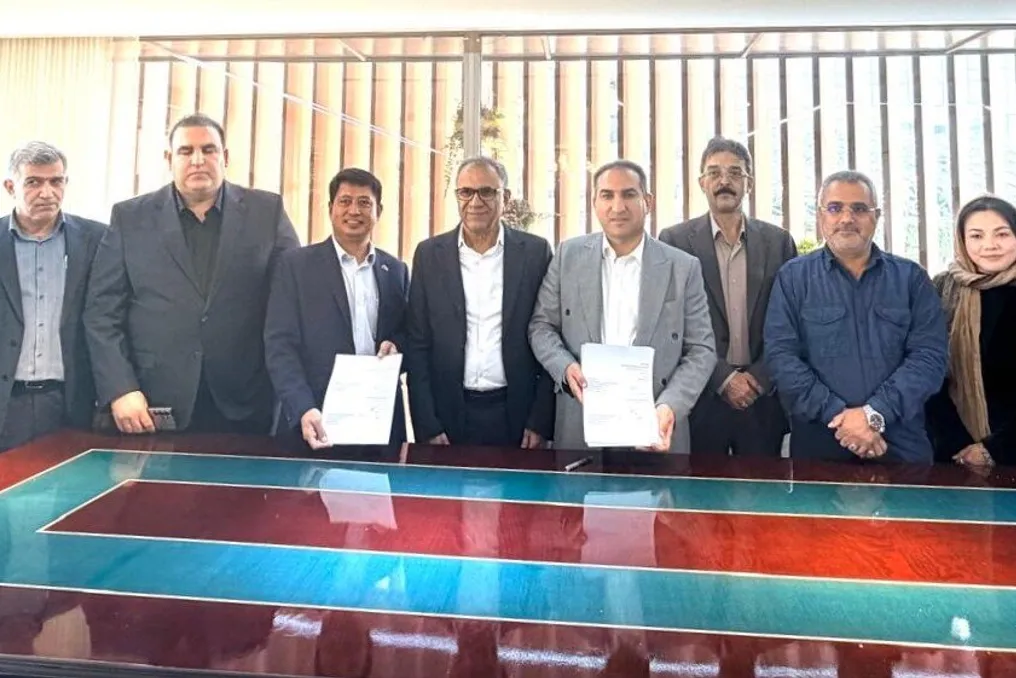
Vietnam Delegation Concludes Visit to Tehran, Signs Agricultural Cooperation Agreement with TPO
Read more
Tehran Times
www.tehrantimes.com

Vietnam Delegation Concludes Visit to Tehran, Signs Agricultural Cooperation Agreement with TPO

The Vietnamese delegation, led by Mr. Nguyen Dang Dinh, concluded its twelve-day mission in Iran on Sunday, October 18. The conclusion followed a high-level meeting at the Iranian Promotion of Trade Organization (TPO) in Tehran. The delegation arrived in Tehran on October 6 with the aim of expanding Vietnam's commercial presence in the Middle East and engaging directly with the Iranian market.

Senior Iranian officials, representing both national and provincial structures, participated in the Sunday meeting. Attendees included Dr. Nisi, CEO of TPO's East Asia and Oceania Department; Mr. Purjafari, an Iranian parliamentarian representing the Shajedgan district; Mr. Ravankhosh, CEO of the Industry, Mining, and Trade Department of Khuzestan Province; Mr. Ahmadi, CEO of the Economic Affairs and Finance Department of Khuzestan Province; and Mr. Chenani, CEO of the Khuzestan Province Industrial Park Company.

The main focus of the meeting was the presentation of Khuzestan Province's investment potential, which accounts for 17% of Iran's total GDP and has a population of five million. The parties signed a Memorandum of Understanding (MOU) for a joint venture in the crop agriculture sector covering 150,000 hectares.

Furthermore, agreements were signed between the two companies regarding soil surveys of agricultural lands in Ahvaz, the capital of Khuzestan Province. A dispatch of Vietnamese agricultural experts was also agreed upon to conduct pilot cultivation of Robusta coffee. The resulting produce will be used by local residents and inhabitants of southern provinces, with a portion being exported to Iraq and Kuwait via the Khorramshahr commercial port.

The final day of the visit, organized by TPO, demonstrated a transition from general trade promotion measures to specific joint agricultural projects. The agreements on soil surveys and pilot coffee cultivation in Khuzestan, combined with the 150,000-hectare MOU, provide a measurable mechanism to achieve the mission's stated goal—increasing Vietnam's commercial influence in the Middle East. The use of the Khorramshahr port for export to Iraq and Kuwait also indicates Iran's regional distribution role extending beyond bilateral trade.
Similar stories

Trade ties between Iran and Vietnam are expanding: bitumen agreement signed, participation in Iran Med 2026 discussed
Read more
www.tehrantimes.com

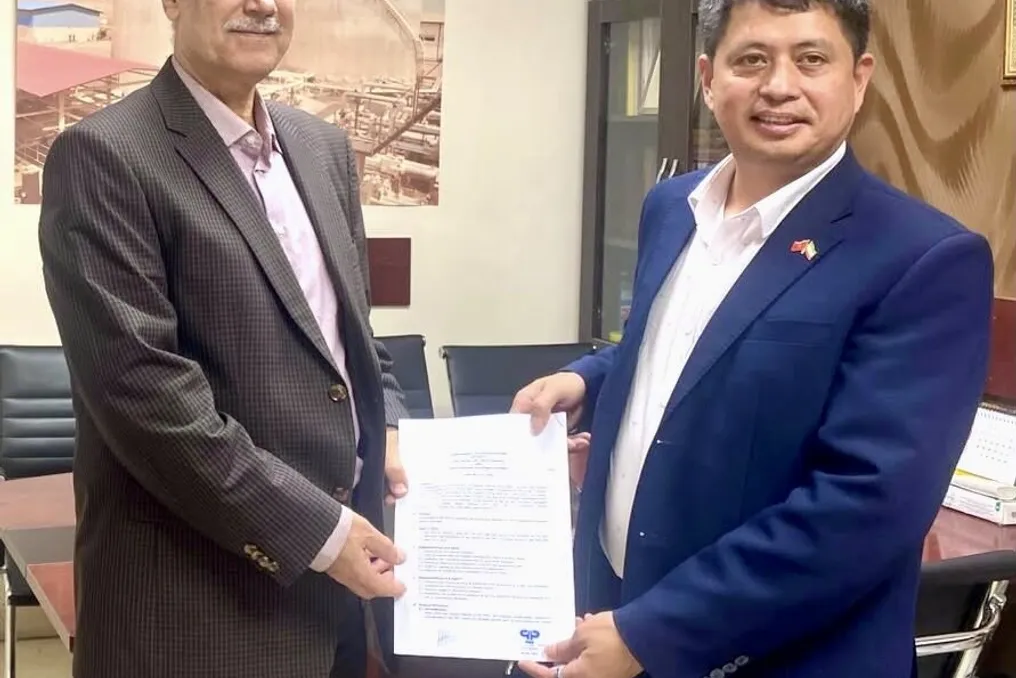
Trade ties between Iran and Vietnam are expanding: bitumen agreement signed, participation in Iran Med 2026 discussed

A Vietnamese delegation arrived in Tehran on Tuesday, October 6, and plans to stay until October 18. Led by Mr. Nguyen Dang Dinh, who is visiting Iran for the third time, the delegation has a packed program that includes visits to various regions, assessment of cooperation opportunities, and trade meetings.

In an exclusive interview with Tehran Times, Dinh stated that the mission's goal is to expand Vietnam's commercial presence in the Middle East and establish direct contact with the large Iranian market. Vietnamese enterprises aim to increase direct exports of agricultural products such as coffee, cashew nuts, pepper, and rice, as well as consumer goods, while also exploring the possibility of importing high-quality Iranian industrial raw materials and components.

On October 16 in Tehran, a memorandum of understanding was signed between DHT Mining Joint Stock Company, represented by Mr. Nguyen Dang Dinh, and Petro Pasargad Hormozgan Company, represented by Mr. Mostafa Hajihosseini. This agreement concerns the supply and distribution of POH-origin bitumen in Vietnam.

On the same day, at the Shahre Aftab International Exhibition Center, the Vietnamese delegation visited the specialized exhibition of medical, dental, laboratory, and pharmaceutical equipment, 'Iran Med 2026.' The delegation held intensive B2B negotiations with Iranian counterparts. During their stay, the delegation also visited cities such as Bandar Abbas and Shiraz Expo.

Dinh pointed to banking restrictions as the main operational problem. He called for the implementation of flexible settlement mechanisms, such as bilateral barter trade or local currency-based clearing, to reduce transaction costs and friction. Official trade between Vietnam and Iran amounts to about $170 million, but a significant part of real trade may pass through third countries. According to him, the actual potential is much higher, as the economies of the two countries complement each other. To ensure more direct and transparent trade, enterprises require market analysis data, trade exhibitions, and official platforms for finding business partners.

The most realistic sectors for immediate cooperation, according to Dinh, include agriculture and food processing; industrial raw materials such as specialty chemicals, building materials, and polymers; as well as healthcare and pharmaceuticals, including medical equipment, active ingredients, and biotechnology. Key bottlenecks in the supply chain include long transit times, high freight costs, and differences in quality compliance systems, such as Halal certification. He recommended establishing direct links with regional logistics operators and achieving mutual recognition of regulators to standardize inspections and expedite customs clearance.

Thanks to 17 free trade agreements and access to 60 economies, there is a platform for joint ventures or production within Vietnam. Iranian companies can add value to products within Vietnam and jointly enter ASEAN markets and broader international markets under relevant agreements. For the business community, a successful mission means obtaining vetted contacts, initial contracts, and memorandums of understanding for goods not subject to sanctions. Chambers of commerce and trade promotion agencies must maintain direct contact and organize regular delegations to turn these discussions into long-term partnerships in trade and investment.

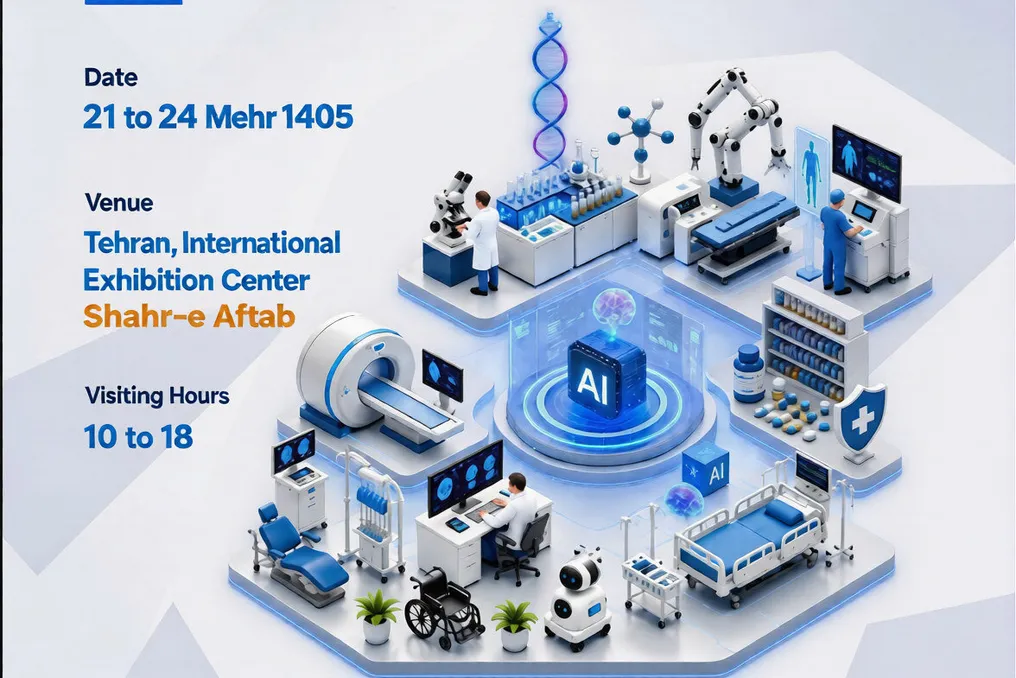
Tehran to host Iran Med 2026 exhibition dedicated to medical equipment
Read more
www.tehrantimes.com

Tehran to host Iran Med 2026 exhibition dedicated to medical equipment

The fourth international exhibition of medical, dental, laboratory, and pharmaceutical equipment, known as Iran Med, is scheduled to take place in Tehran from October 13 to 16. This exhibition serves as a significant platform for leading Iranian manufacturers, allowing them to showcase the latest developments and products in areas such as medical, hospital, and dental equipment and instruments; surgical, diagnostic, and imaging equipment; hygiene products; as well as diagnostic and treatment equipment.

Furthermore, the event provides an excellent opportunity for manufacturers, importers, distributors, and specialists in the medical equipment sector to exchange ideas, hold meetings, and expand their presence in international markets. The exhibition aims to advance knowledge in the pharmaceutical sector by hosting free educational seminars on new technologies and innovations in healthcare, as well as panel discussions on regulation, standards, export, market analysis, and health economics, alongside technical workshops on the maintenance and calibration of medical equipment and biomedical engineering.

Representatives from Eurasia, Iraq, Turkey, Afghanistan, Russia, and Southeast Asia will participate in the exhibition. An African pavilion will be created in collaboration with African representatives to introduce African countries to the country's achievements in healthcare. Holding meetings with these nations is part of the event, according to Mehr news agency. Iranian companies and their partners from Southeast Asia and Eurasia plan to sign two or three joint production agreements.

Parallel to the exhibition, the Iran Med National Award will take place, designed to recognize outstanding domestic products, technical and engineering services, and innovative student projects in the field of medical equipment. The event focuses on three main categories: 'Student Projects,' 'Innovations and Impact in Healthcare,' and 'After-Sales Service and Quality.' Approximately 300 domestic and foreign companies from 35 countries attended Iran Med 2025.

Iran as a regional leader in the healthcare system

In May 2025, the Director of the World Health Organization (WHO) for the Eastern Mediterranean Region (EMRO) stated that Iran is a leading country in expanding its healthcare system and ensuring access to universal health coverage. Hanan Balkhi highly praised the country's progress in recent years, noting that through the expansion of primary healthcare services, increased access to medical coverage in rural areas, maintenance of high vaccination rates, and reduction in maternal and infant mortality, Iran has become a successful model for the region, according to the Ministry of Health website.

This comment was made during a meeting with Minister of Health Mohammad-Reza Zaferkandi, which took place on the sidelines of the 78th World Health Assembly (WHA).

Self-sufficiency in medicine and medical equipment is a priority

Mohammad-Reza Zaferkandi stated in March 2025 that production and self-sufficiency in medicine and medical equipment are among the government's priorities. He emphasized that medicine and medical equipment are two important spheres related to human health, adding, 'We strive to achieve self-sufficiency in the supply of medicines and medical equipment,' according to IRNA.

In 2024, the head of the Association of Iranian Medical Equipment Producers and Exporters reported that the country exports medical equipment to over 60 countries annually. Abdolreza Yakubzadeh, according to IRNA, noted that over 70 percent of medical equipment and 100 percent of standard hospital beds are produced domestically. He also added that over 95 percent of specialized intensive care units (ICU) and cardiac resuscitation units (CCU), as well as over 85 percent of operating room medical equipment, such as ventilators and other equipment, are manufactured in the country using advanced technologies.

Currently, about 600 companies operating in the country are involved in the production of medical equipment, supplying about 99 percent of medicines supplied to the domestic market. Medical equipment manufacturers in the country produce and supply over 10,000 types of medical equipment for both domestic and foreign markets. Various types of laboratory equipment are currently being produced at prices significantly lower than comparable foreign products.

Popular