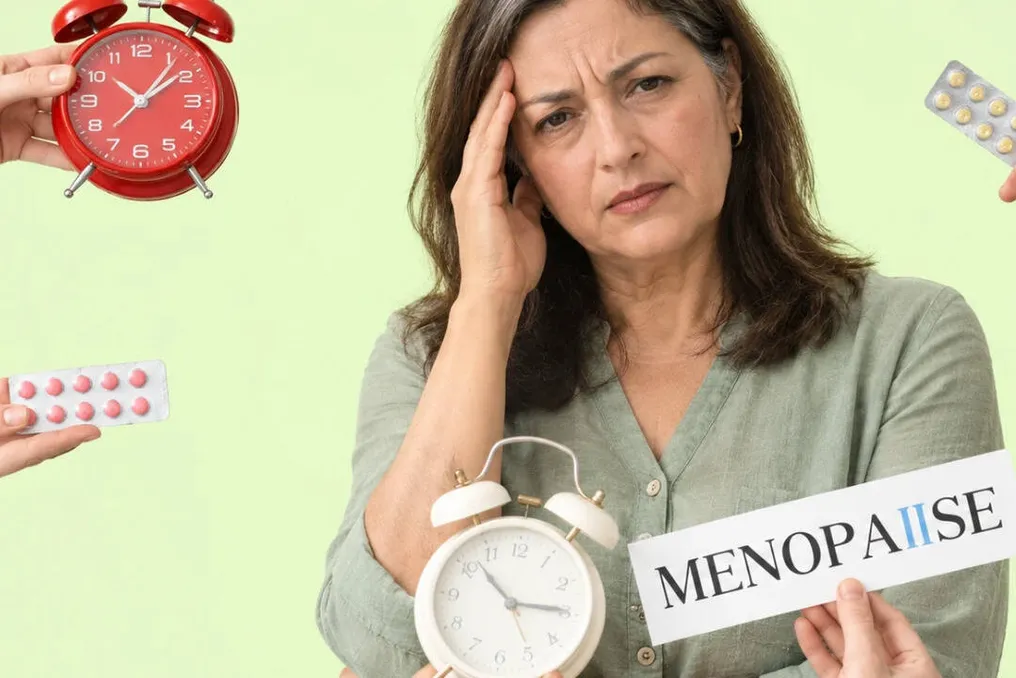
Some women experience menopause quietly, while for others it brings a wave of physical and emotional changes, causing exhaustion, anxiety, and the search for answers. Often, the most difficult part is not fighting the symptoms, but convincing those around them of their seriousness.
Menopause is a natural biological transition, but its symptoms can disrupt daily life so much that some women attribute them to stress or aging, while others face the dismissal of their problems or do not know where to seek help. Despite growing discussions about women's health, gaps remain in awareness, medical recommendations, and access to proper treatment.
A quantitative descriptive study conducted among 150 women from urban areas assessed the impact of menopausal symptoms on quality of life. This work, published in the Indian Journal of Preventive & Social Medicine, was carried out by Somibala Tokchom and David Ratna Paul Talagatoti. Participants aged 40 to 55 completed the 11-item Menopause Rating Scale (MRS) to assess symptoms and the 32-item modified MENQOL questionnaire to evaluate the impact of menopause on their daily lives.
The study found that 58.7% of participants were aged 40–45, and 75.3% had already gone through menopause. Overall, 92% reported moderate or severe symptoms, 4.7% reported mild symptoms, and 3.3% reported very severe symptoms. Almost all participants (99.3%) noted changes in their daily routine.
Menopause can cause a wide range of physical, emotional, and urogenital symptoms affecting sleep, mood, and overall women's life. Although the results cannot be generalized to all Indian women due to the small urban sample, they highlight the potential impact of menopause on daily life.
When menopausal symptoms are dismissed as 'just aging'
Many women continue to experience menopausal symptoms without seeking medical help because they assume fatigue, anxiety, sleep disturbances, and mood swings are an inevitable part of aging. Doctors warn that this can delay diagnosis and treatment, especially if women prioritize family and work responsibilities over their own health.
Dr. Mitul Gupta, Senior Consultant in Obstetrics and Gynecology at Cocoon Hospital in Jaipur, stated: 'Menopause is a natural state, but that doesn't necessarily mean the symptoms are untreatable.' Dr. Gupta cautioned against attributing symptoms to aging without proper examination, as signs such as fatigue, irritability, and poor concentration can be linked to thyroid diseases, anemia, sleep disorders, and anxiety, making a detailed medical assessment extremely important.
Maya, originally from Uttar Pradesh and now living in Delhi, shared her experience: 'I started experiencing menopause at 51. It was difficult, but back then we didn't discuss these things at home. I felt indecisive.' She added that even today, many families are unaware of what women go through during menopause, and they often have to cope with it alone.
Managing menopause goes beyond irregular menstruation and hot flashes. Hormonal changes affect sleep, mood, and sexual health, and the perimenopausal transition period is also an important time to discuss long-term health issues, including bone health.
Options for Menopause Treatment
A systematic review titled 'Menopausal Symptoms Experienced by Women in India' analyzed 23 studies on symptoms in women going through menopause in India. The review followed PRISMA guidelines and included inclusion criteria, literature search, screening, and data extraction.
The review found that somatic symptoms were the most frequently reported category, accounting for an average of 73.66% across all studies. The most common complaints were pain and muscle fatigue, followed by hot flashes. Psychological symptoms were noted in an average of 63.03% of women in the studied studies. Eighteen studies reported psychosomatic symptoms, while five did not record psychological symptoms.
Urogenital symptoms were recorded in 13 studies with an average prevalence of 51.40%. Ten studies did not report symptoms in this category. Although urogenital symptoms were the least common, the review noted that women who experienced them reported greater symptom intensity.
These data underscore the diversity of menopausal symptoms and the importance of recognizing them rather than dismissing them as an inevitable consequence of aging. Percentages represent averages derived from the review and should not be interpreted as prevalence estimates for all Indian women.
The Doctor's Dilemma: Recognizing Symptoms and Choosing Treatment
Menopausal symptoms can vary greatly among different women, necessitating an individual assessment before deciding on treatment. Hormone Replacement Therapy (HRT) can help women suffering from unpleasant symptoms such as hot flashes and night sweats, but it is not suitable for everyone. Treatment decisions must take into account individual symptoms, medical history, age, time since menopause, and potential risks.
Dr. Barti Soy, Consultant in Obstetrics and Gynecology at Fortis O.P. Jindal Hospital & Research Centre, stated: 'HRT is not universally dangerous or appropriate for everyone. The right treatment is one that is carefully selected according to your individual needs, under proper medical guidance and regular monitoring.' Doctors insist that consultations should cover the potential benefits and risks of hormonal therapy, as well as non-hormonal alternatives where appropriate. Women must be able to discuss their concerns and make informed decisions with their healthcare providers.
Symptoms should not be automatically attributed to menopause, as other medical conditions may require separate examination and treatment. A thorough consultation helps distinguish between changes related to menopause and other possible causes, allowing care to be tailored to the individual's needs.
Is India's healthcare ready for menopause? Simply increasing awareness may not be enough if women cannot access adequate and affordable care. Gaps in knowledge, counseling, and access to menopause-specific care can leave women without proper guidance on symptom management.
The issue is not just the availability of gynecologists, but whether the consultations address menopause-related issues beyond menstrual changes. Symptoms affecting sleep, mood, sexual well-being, and bone health may require a broader discussion of the woman's physical and emotional state.
Available Treatment Methods in India
Dr. Priyanka Sharma, Senior Consultant in Obstetrics and Gynecology at Cocoon Hospital in Chandigarh, noted: 'Women need a comprehensive evaluation, not just consultation on menstrual problems.' Barriers such as travel costs, time spent working, lack of awareness, and limited access to medical facilities hinder seeking help. Strengthening primary care, training healthcare workers, and creating referral pathways can help women receive the necessary support.
It is also important to raise the level of education in local languages and provide more accessible treatment options so that women can understand their symptoms, discuss available options, and receive help when needed. Making menopause a routine part of women's healthcare can help shift the focus from simply enduring symptoms to adequately identifying and managing them.
The Role of Social Stigma
Medical care is only part of the picture. Family attitudes and social expectations can influence whether women feel comfortable discussing menopause or seeking help. Dr. Barti Soy stated: 'In many Indian families, menopause is still not openly discussed due to social stigma, lack of awareness, and the belief that it is just a natural process. As a result, many women suffer in silence instead of seeking medical help.'
When symptoms such as sleep disturbance, irritability, or discomfort are attributed to inevitable consequences of aging, women may begin to doubt whether their concerns deserve medical attention. Dr. Swati Sinha, Senior Consultant in Obstetrics and Gynecology at Rosewalk by Rainbow Hospitals, notes: 'If relatives tell her that discomfort, irritability, or sleep problems are just part of aging, she may doubt whether her concern deserves attention.'
Families can help by making menopause a topic that can be discussed without embarrassment or judgment. By listening to symptoms without dismissal, offering practical support, and encouraging medical consultations when problems affect daily life, this transition can be eased.
Partners, children, and other family members do not have to have all the answers. Recognizing that menopause affects women differently and that help is available when symptoms become disruptive is an important first step. Menopause may be a natural stage of life, but it does not mean women should endure its more complex symptoms without support. Increased awareness, informed medical consultation, accessible treatment, and family understanding can help ensure that women are heard and their concerns are taken seriously.