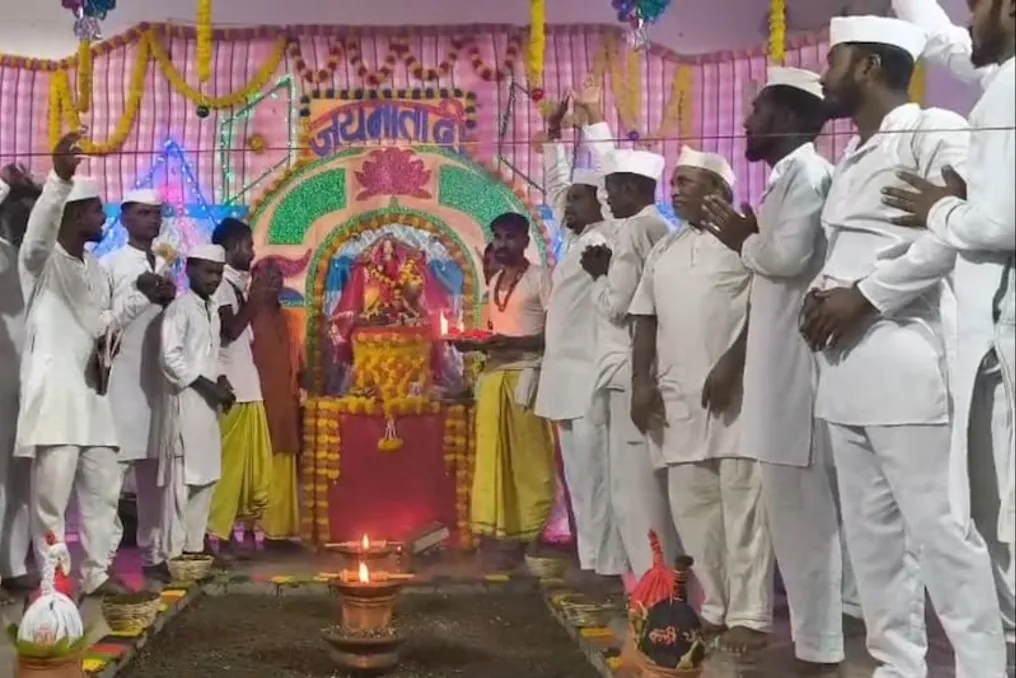
Mother's statue installed in Dirg prison during Navratri; morning and evening aartis are held
Read more
Aaj Tak
www.aajtak.in

Mother's statue installed in Dirg prison during Navratri; morning and evening aartis are held

A unique scene of religious faith is observed at the Central Prison in Dirg, Chhattisgarh state, during the Sharadiya Navratri festival. 362 inmates serving time behind bars observe a fast in reverence to the Mother. Among them are 332 male and 30 female inmates. Some observe the fast for nine days, while others have decided to fast for only three days.

An atmosphere of reverence prevails within the prison grounds due to the installation of pots (kalashas), morning and evening aartis, and the singing of bhajans. During Navratri, the inmates worship the Mother, performing Chattisgarhi songs (jasgit) accompanied by the sounds of flutes (dholak), jhanda, and manjira. From early morning, the aroma of incense and sandalwood fills the premises, along with shouts of praise to the Goddess. The inmates have installed a statue of the Mother inside the prison. Both male and female inmates participate in the religious rituals and worship with deep respect.

Manish Sambhakar, Director of the Central Prison in Dirg, reported that the Navratri festival is being celebrated in the prison with complete faith. The inmate brothers and sisters are observing the fast with devotion. Some are observing the fast for nine days, while some have decided to fast for three days. This year, 362 inmates observed the fast: 332 men and 30 women.

According to the prison director Manish Sambhakar, the inmates have installed a statue of the Mother inside the prison. Morning and evening aartis are being conducted here. Male inmates sing jasgit and bhajans in honor of the Mother. Female inmates also engage in worship and prayers on the premises. The inmates participate in these events with complete dedication.

Throughout these nine days of Navratri, the echo of religious songs and praises to the Mother resonates throughout the prison area. Traditional jasgit, performed to the rhythms of dholak and manjira, make this event special. This religious activity serves as a means to promote spiritual peace and positive thinking among the incarcerated individuals. This event also instills hope for self-reflection and improvement in the lives of those serving sentences.
The prison administration has organized food (phalahar) for the inmates observing the fast. Prison Director Manish Sambhakar stated that male and female inmates observing the fast are provided with fruits, milk, sabudana, peanuts, and sugar. The aim is to take care of their nutritional needs during the fast. The administration supports this event by respecting the faith of the inmates and providing the opportunity to perform worship according to religious rules during Navratri through collective aartis, bhajans, and jasgit, creating a reverent atmosphere inside the prison. These religious activities at the Central Prison in Dirg are related not only to worship but also to the mental health and positive thinking of the inmates. Collective devotion helps reduce stress, maintain calm, and provides an opportunity for self-reflection. This scene, presented at the Central Prison in Dirg during Navratri, shows that even in difficult circumstances, faith can inspire people toward hope and a better life.

Similar stories

350-year-old 'gold looting' tradition preserved in village in Maharashtra during Deshahera
Read more
www.aajtak.in

350-year-old 'gold looting' tradition preserved in village in Maharashtra during Deshahera

In the village of Pande, located in the Wai taluka, Satara district of Maharashtra state, a unique tradition that has existed for about 350 years is observed annually. This ritual is associated with the celebration of Deshahera and includes a prolonged fast.

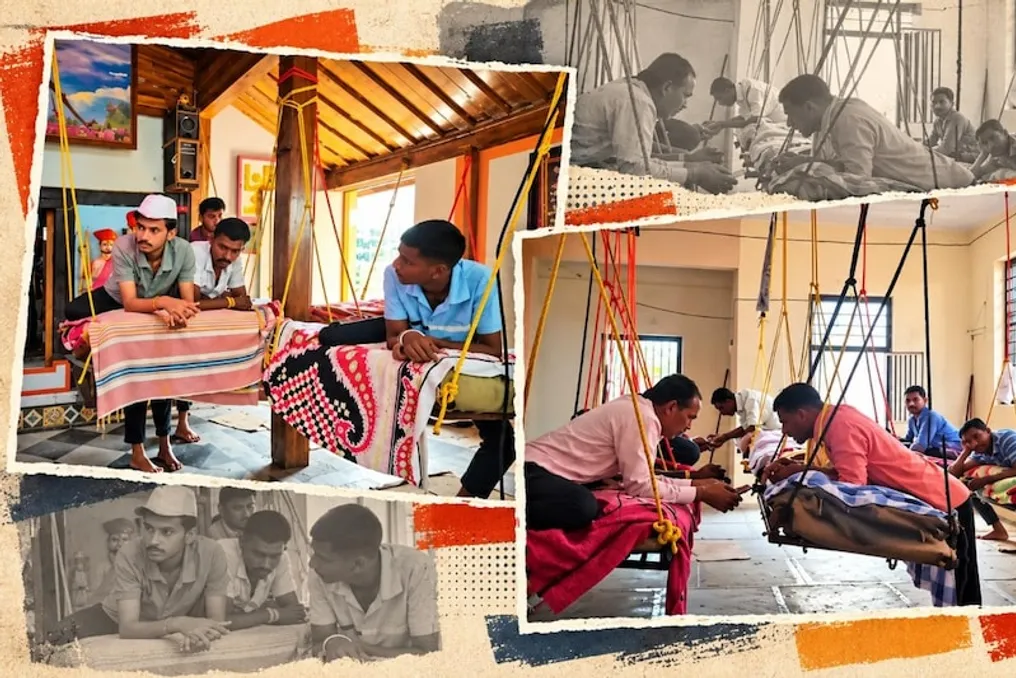
Participants in the fast spend nine days standing, without sitting on the ground, and abstaining from salt, oil, and spicy seasonings. Even when feeling drowsy, they do not allow themselves to lie down on the ground. This unusual custom is maintained with deep faith in God.

During the 'Navaratri spent standing before Kal Bhairavanath,' between 350 and 400 devotees participate. Notably, this religious festival demonstrates an example of harmonious coexistence between Hindus and Muslims. Participants spend nine days standing, without wearing shoes, and without sleeping on the ground.

The devotees wear white clothes, use canes for support, and hold unwavering faith in Kal Bhairavanath. This atmosphere of reverence attracts all villagers. At night, rope swings are set up in the temple for rest, but participants do not break their vow by lying on the ground.

The uniqueness of this tradition is not limited to the strict fast. The Muslim community also participates in this festival alongside local Hindus. Thus, it presents a unique example of social harmony and mutual solidarity alongside religious faith. At night, the entire village is immersed in an atmosphere of devotion through traditional events such as singing hymns, kirtan, gondhal, and vagya-murli. On Ashtami night, vigil is kept, and on Navami day, consecration takes place, while Simolanjan tradition is celebrated on Vijayadashami.

The residents of Pande continue to pass on this centuries-old tradition to the next generation with complete devotion. Participants claim that their deep reverence for Kal Bhairavanath gives them confidence that God's grace will always be upon their families. It is because of this faith and piety that they continue to observe this custom. In this festival, Pande strengthens not only religious beliefs but also the culture, traditions, and social cohesion of the village.

On Vijayadashami, the direction for Simolanjan is determined after receiving the consecration. Then, the residents proceed to the village boundaries, where they exchange apta leaves. These leaves are considered a symbol of gold, and the 'gold looting' ritual is performed within this tradition. After this, the fasting participants conclude their fast, and this unusual fast comes to an end. It is said that time and generations have changed in this village, but the faith in Kal Bhairavanath and this 350-year-old tradition remain unchanged.

Popular