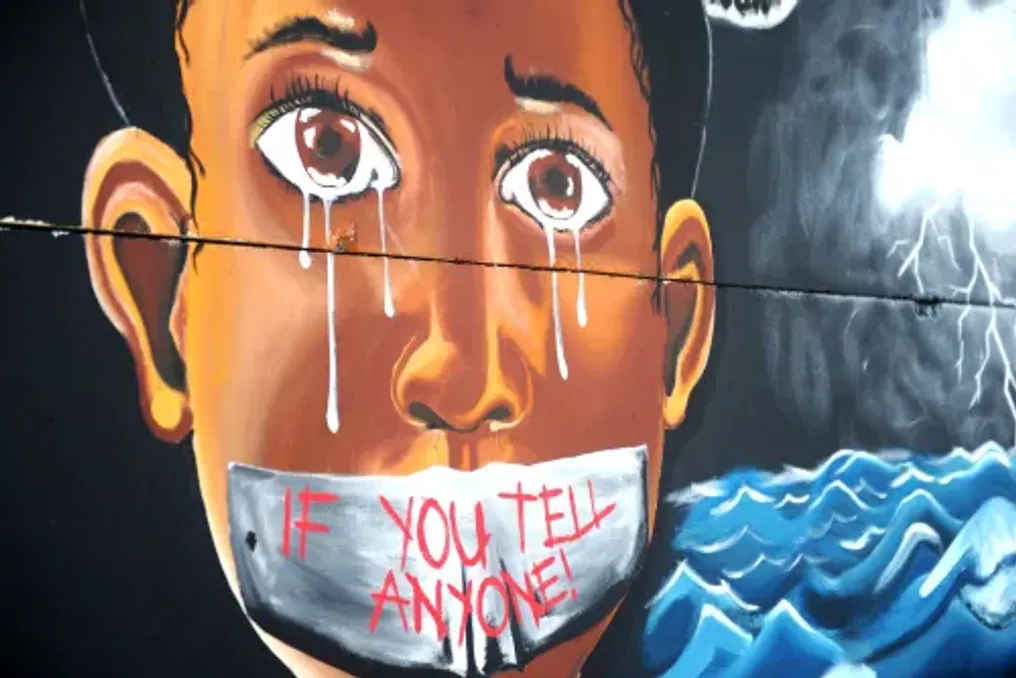
Over four decades, despite changes in time, technology, and generations, the central mission of Childline KwaZulu-Natal has remained focused on children. What began as a telephone service for children without a safe place to turn to has evolved into a comprehensive child protection organization offering counseling, other therapeutic interventions, human rights advocacy, and a 24-hour crisis hotline.
Childline KZN is celebrating its fortieth anniversary. Director Adeshini Naiker emphasized that the organization's relevance endures. This non-profit structure was established in 1986 by the South African Society for the Prevention of Child Abuse and Neglect. This followed observations by pediatric staff at Addington Hospital regarding an increase in children presenting with injuries not caused by accidents and signs of abuse.
Naiker noted that it was particularly alarming that children reported to specialists having no safe or accessible way to report what was happening. This prompted the idea of creating a telephone service where children could contact someone, describe the situation, and receive help.
At that time, child abuse, physical violence, neglect, and violence were widespread. Naiker recalled that forty years ago, many of these issues were not openly discussed, and it was often expected that children would remain silent, viewing violence as a private family matter. Therefore, Childline created a space where children could speak.
Before technological advancements and social media, the telephone served as a lifeline for a child. Back then, the child had to physically find a phone and make a call. Organization staff had to listen carefully, assess the situation, and connect the child with appropriate support. Although technology was simpler then, human connection played an incredibly vital role; the child knew there was a person on the other end ready to listen.
The organization's initial goal was simple: to give children a voice and provide them with a safe haven. This mission has not changed; only the method of implementation has evolved. Today, the organization has moved from simply responding to cases of violence to attempting to prevent it and help children and families recover.
Since child protection requires collaborative effort, Childline has partnered with social workers, police, government agencies, healthcare professionals, and community organizations. Each organization performed its function, but all shared one responsibility—to prioritize the safety and best interests of the child.
Naiker stated that they visit schools to educate children about their rights, help them recognize unsafe situations, and encourage them to speak up, thereby preventing further violence. The longevity of the organization and the trust built around the Childline name remain among their greatest achievements.
Naiker pointed out that this has been an outstanding journey: from a telephone service to providing a wider range of services, including the introduction and strengthening of the easily memorable number '116'. This number is a regional helpline used across Africa and connects Childline KZN to a broader international network of child hotlines.
Another significant milestone has been Childline's expansion to other provinces based on need. Childline South Africa was established in 2003 and expanded to Gauteng, Eastern Cape, Western Cape, and other provinces. Naiker explained that by 2003, it became clear that a national coordinating and representative structure was necessary, leading to the creation of Childline South Africa that August. The organization organically developed from a response to a real need in KZN into a national movement focused on child protection and the promotion of their rights.
Regardless of changes in its activities, Naiker stressed that continuous efforts to combat child abuse are necessary, as they handle tens of thousands of calls annually from children and families needing their services. She indicated that the core problems faced by children in the 1980s and 1990s have not disappeared: children are still subjected to violence, neglect, and abuse. Only the environment in which they grow has changed.
Technology has introduced new risks. Children can now become victims of strangers online, be exposed to harmful content, suffer cyberbullying through social media, and be manipulated without leaving home. Furthermore, the impact of poverty, substance abuse, family instability, and societal violence is observed.
Nevertheless, the organization's interventions have led to improvements. Children who initially could not talk about what happened have begun to regain confidence through counseling, therapy, and the knowledge that someone believes in them and listens to them. Sometimes the biggest change is not dramatic—it is watching a withdrawn child smile again, return to school, start trusting adults, or finally understand that what happened to them was not their fault. It is these moments that remind staff why this work is important.
Naiker called for stricter enforcement of policies and legislation aimed at child protection, as sometimes the systems surrounding these laws do not function as effectively as they should. She noted that children may wait too long for services, investigations can drag on, and families can struggle to navigate the system.
She observed shifts in public sentiment: more people are willing to report instances of violence, and awareness of children's rights is growing. However, she added that a long road remains, as silence remains one of the main factors protecting the perpetrator. Everyone bears responsibility: families must create safe and supportive homes, schools must make children confident enough to report problems, and communities must not protect criminals due to kinship or fear. The government is also obligated to ensure that the systems, resources, and services needed to protect children are truly accessible.
Naiker often quotes the African proverb: 'It takes a whole village to raise a child.' After 40 years, they know that the same village is needed to protect a child.
Sustainability and funding have remained a constant challenge, she said. They constantly had to balance growing demand against limited resources. Reaching the 40th anniversary marked generations of people dedicating their careers and lives to children, and 40 years of children finding someone willing to listen. For her, it is both a celebration and a reminder of the responsibility they bear in the future. Despite difficult financial periods, Childline KZN continues to answer the call.
To remain relevant, Naiker believes it is vital to strengthen the helpline, expand access to therapeutic services, and invest in prevention. Her message to children: your voice matters. To adults: listen to children, believe them, and protect them. Forty years ago, Childline was created because children needed someone to listen. Forty years later, that need still exists.
Kheoleboga Maroping, a psychologist working with the organization, believes that structures like Childline and child welfare societies provide children with safe spaces where they can disclose information about violence, be heard without judgment, and receive appropriate psychological and social support. In her view, child protection is not just about reacting to harm, but about creating conditions where children feel safe, valued, and can fully realize their potential.
A gala dinner will be held to celebrate the 40th anniversary at Coastlands uMhlanga on October 24th. For inquiries, please email director@childlinekzn.org.za or call 031 312 0904.