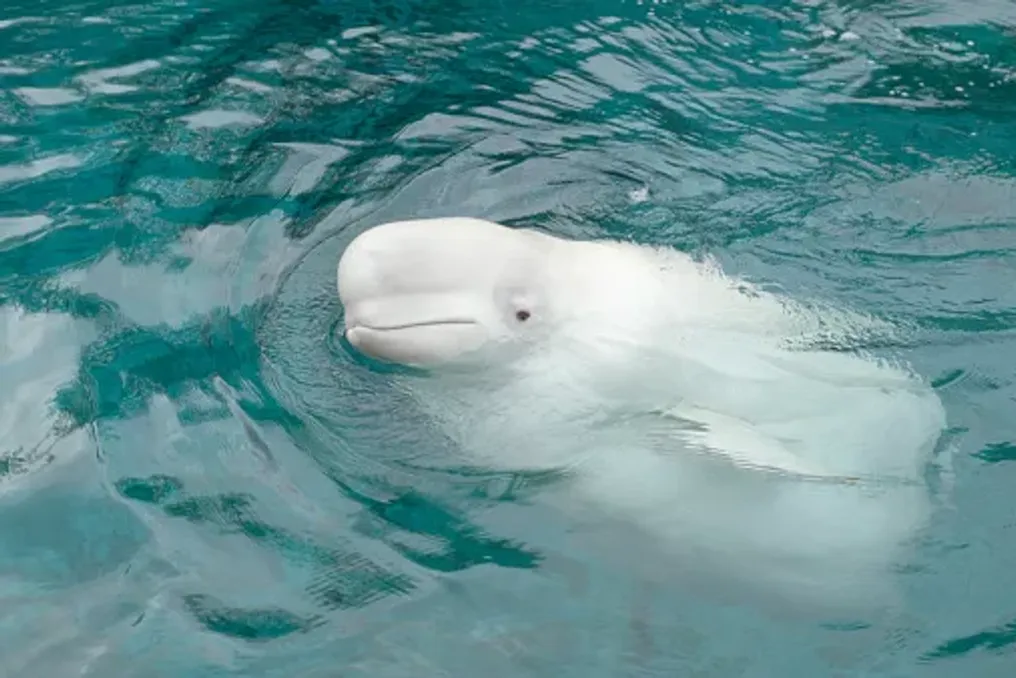
Thirty belugas and four dolphins were moved from the closed Canadian marine park, but a series of deaths raised questions about their future and the ethics of keeping marine mammals in captivity.
The departure of a beluga from Tofino marked the end of an era. This beluga, weighing over 1500 kg, was carefully lifted by a crane and transported to SeaWorld San Antonio in the United States. It was the last of thirty belugas and four dolphins to leave Marineland, a former marine park near Niagara Falls in Canada.
The mass relocation occurred after the Canadian government rejected Marineland's proposal to sell the animals to China due to concerns about animal welfare. The park warned that the belugas faced euthanasia if suitable habitats were not found.
The subsequent rescue operation gave the animals a chance for further care elsewhere. Nevertheless, the death of five belugas and one dolphin after transport overshadowed what should have been a new beginning.
The belugas were transported to aquariums across the United States, including facilities in Chicago, Atlanta, San Diego, and San Antonio. Others went to Oceanogràfic València in Spain.
At the Shedd Aquarium in Chicago, several belugas died after arriving from Marineland. Autopsies revealed chronic gastrointestinal disease in two belugas, Pekachu and Rain, and foreign objects, including feathers and stones, were found in their stomachs. Preliminary examination of Osiris showed chronic liver disease.
In Spain, Oceanogràfic València reported the death of a beluga named Jelly Bean and a dolphin named Echo. Echo arrived with serious vision problems and other health issues before developing difficulty swallowing and breathing.
These losses raised questions about the risks of moving animals with potentially serious underlying illnesses. However, experts caution against hasty judgments about the entire operation, especially considering the animals' circumstances in their former home.
For belugas raised in captivity, returning to the wild is rarely a simple solution. Animals that have spent their entire lives in managed environments may lack the skills necessary for independent survival.
An alternative option is a coastal sanctuary where formerly captive belugas could live in a protected, more natural environment while continuing to receive specialized care.
The 'Whale Sanctuary Project' is developing a potential site off the coast of Nova Scotia in Canada. The long-term goal is to provide refuge for whales no longer suited for life in traditional aquarium tanks.
However, the project still faces funding and construction challenges, and marine sanctuaries have not yet proven their effectiveness as a large-scale long-term solution.
Marineland closed in 2024 after years of animal welfare issues and financial difficulties. Its closure reflects changing public sentiment regarding keeping whales and dolphins in captivity for entertainment.
Canada introduced legislation in 2019 restricting the keeping and breeding of cetaceans. However, the relocated belugas now live in countries with different regulations, raising concerns among critics that keeping and breeding may continue elsewhere.
Aquariums assert that specialized institutions can provide veterinary treatment, structured care, and opportunities for social interaction. Georgia Aquarium, having received two male belugas from Marineland, reported positive early signs as the animals explored their new surroundings and interacted with other whales.
For travelers, this story also serves as a reminder to carefully consider how marine wildlife is perceived. Responsible whale watching tours and wildlife encounters can offer opportunities to observe animals in their natural habitat, rather than viewing them in tanks.
The future of the former residents of Marineland remains uncertain. Their relocation may have saved them from another fate, but it has also highlighted complex issues surrounding wildlife containment: where these animals should live, who should care for them, and what responsible marine tourism should look like in the coming years.