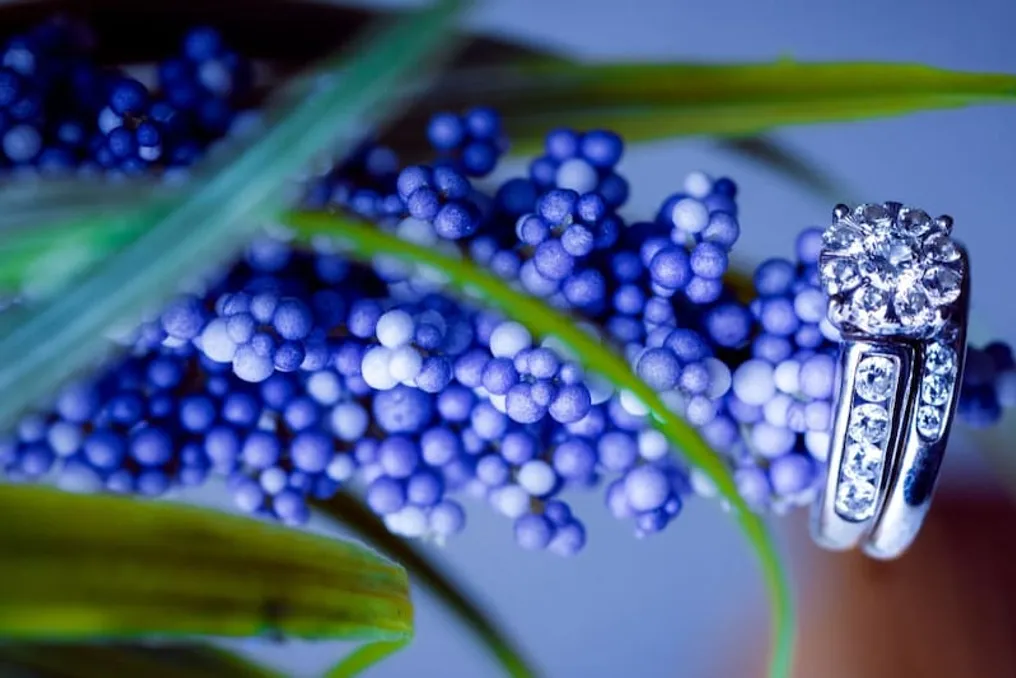
Many people mistakenly believe that the shine of a stone can indicate its authenticity. However, mere external brightness is not enough to definitively determine whether a diamond is natural, synthetic, or an imitation. Jewelers and specialists use various tools and methodologies to conduct such checks.
When visiting a jewelry store, customers often observe the seller conducting a preliminary inspection of the stone in just a few minutes. This process is based on a comprehensive analysis.
The first stage of the check always begins with a visual inspection. Experts carefully examine the cut, brilliance, shape, and surface of the stone. A real diamond exhibits a special play of light. Nevertheless, relying solely on appearance is insufficient, as some fakes, such as cubic zirconia, can look very brilliant.
Jewelers often use a special magnifying lens, called a loupe, to examine the stone up close. This allows them to detect small defects, cracks, and other characteristics inside the stone. Natural diamonds may have natural internal features, but this is not enough for a final verdict.
Jewelers also have diamond testers at their disposal. These devices test a number of physical properties of the stone. Diamonds possess a unique method of thermal conductivity, which helps a thermal tester distinguish them from other materials. Furthermore, modern instruments can test electrical conductivity, helping to determine whether the stone is a diamond or another substance.
There is a common belief that one can determine the authenticity of a diamond by blowing on it; it is claimed that the vapor quickly disappears from a real diamond. However, this method is not considered a reliable final test. Due to differences in the surface and temperature of different stones, such a test may yield an incorrect result, so it is not recommended to base the purchase of an expensive stone solely on this method.
It is important to understand that a lab-grown diamond is not a fake. Lab-grown diamonds have a chemical and crystalline structure identical to natural diamonds. Therefore, a standard diamond tester is not always capable of distinguishing between a natural and a laboratory-grown diamond. In such cases, specialized equipment or reports from gemological laboratories are required.
When purchasing an expensive diamond, it is better to rely on its appraisal report rather than just the seller's word. The report usually specifies information about the four parameters of 4C: Cut (cutting style), Color (color purity), Clarity (number of internal and external inclusions), and Carat (weight). These characteristics can significantly affect the diamond's value.
In conclusion, experienced jewelers can quickly make a preliminary assessment of a stone's authenticity by using its brilliance, cut, weight, and testing equipment. However, 100% certainty in a matter of seconds is not always achievable, especially when distinguishing between natural and lab-grown diamonds. If the diamond is expensive, the most important aspect is the presence of a certified quality report. Consequently, when buying, one should check not only the brilliance but also the identification, appraisal, and certificate.