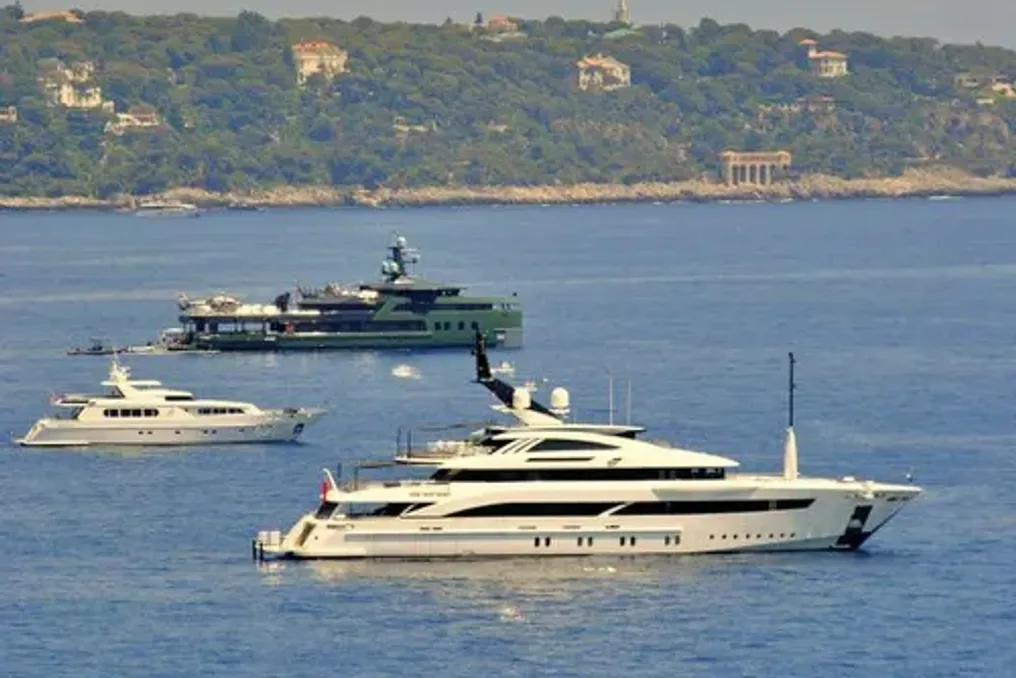
Durban plans to become Africa's superyacht hub with R1.9 billion investment and creation of 2,500 jobs by 2030
Read more
IOL
iol.co.za

Durban plans to become Africa's superyacht hub with R1.9 billion investment and creation of 2,500 jobs by 2030

The city of Durban aims to establish itself as the leading destination for superyachts in Africa by implementing a multi-billion rand investment plan that promises to create thousands of jobs and bring significant economic benefits to the city.

The eThekwini Municipality is preparing to host the first African 'Yachting Aftersales and Refit Experience (YARE) On Tour Symposium' at Moses Mabhida Stadium in November 2026. This strengthens efforts to attract wealthy yacht owners and international maritime enterprises to KwaZulu-Natal.

A central element of the ambitious plan is the proposed KZN Superyacht Marina, which secures private investments of approximately R1.9 billion and targets the creation of over 2,500 direct jobs by 2030. This development is part of a broader Durban Bay waterfront project designed to position the city as a gateway to Africa along a developing superyacht route connecting the Mediterranean to the East Coast.

The proposed superyacht area is allocated on a 24-hectare site in Port Durban. City Manager Musa Mbhele stated that the project goes beyond simply attracting luxury vessels and tourists; it is viewed as an opportunity for industrial development and upskilling in the maritime sector.

Significance of the marina for the economy

Musa Mbhele emphasized that the KZN Superyacht Marina is intended not only for vessel berthing but also for industrial development, skills transfer, and establishing Durban as a gateway to the Indian Ocean superyacht circuit. He noted that collaboration with global partners such as Navigo transforms maritime heritage into a highly profitable economic engine for the city and its residents.

Fuel revenue potential

The financial potential could be substantial: it is reported that a single superyacht trip to Cape Town can require around R10 million just for diesel fuel. Durban's international partner, Navigo, based in Italy and linked to the YARE program, has committed to organizing 10 or more superyacht visits to the city annually starting in 2028. Based on estimated fuel costs in Cape Town, these visits could generate approximately R100 million in annual fuel sales revenue for Durban, excluding additional expenses for provisions, repairs, refits, accommodation, and tourism.

The project also complements the Transnet National Ports Authority (TNPA) ship repair strategy, which forecasts over 25,000 jobs in the sector. Mbhele stressed that the city wants local businesses and residents to directly benefit from the expected influx of vessels. He added that every superyacht entering the port supports local suppliers, technical specialists, the hospitality industry, and young people starting careers in the maritime field, and their task is to ensure this opportunity translates into real jobs and skills for the residents of eThekwini.

Steps towards superyacht development

The municipality has begun preparations for development through a series of international contacts and local permits. In March 2026, the city signed a Letter of Intent with Navigo in Viareggio, Italy, presenting the proposed route to the international superyacht community. In July, the municipal council approved a three-year partnership agreement with Navigo and sanctioned the development of the KZN Superyacht Implementation Plan.

Subsequently, the city engaged with global industry leaders at the Monaco Yacht Show in September. In October, eThekwini was scheduled to participate as a keynote speaker on the blue economy at the Cape Town Maritime Conference, presented by Captain Londi Ngcobo. The next major milestone will be the YARE On Tour Symposium in Durban in November, which is expected to draw greater attention from the international maritime sector.

Blue economy prospects

The superyacht initiative aligns with national and provincial priorities in ocean economy, including the Facisa Operations 'Oceans Economy' program, the Main Ocean Economy Plan until 2035, and the TNPA Ship Repair and Manufacturing Plan. The latter is moving towards a port-landlord model incorporating private sector concessions. Furthermore, the initiative is consistent with the eThekwini Working Group under the Presidency. The municipality invites investors, maritime enterprises, and skills development partners to participate in the program before the November symposium.

Similar stories

Petition against employment services bill in South Africa gathers over 155 thousand signatures
Read more
iol.co.za

Petition against employment services bill in South Africa gathers over 155 thousand signatures

A petition opposing the Employment Services Amendment Bill has gathered over 155,700 signatures in less than 72 hours. This petition, initiated by the civil movement for constitutional reform in South Africa and posted on the South African Constitution Reform social media pages, advocates for stricter control over the employment of foreign nationals in the country.

Prins Mtombene Maduma, co-founder of SACR, raised questions about whose interests the proposed Employment Services Amendment Bill protects, expressing concerns regarding quotas for foreign employment, labor market tests, and accountability. She asked: 'The South African employment laws are about to change, but whose interests do they actually protect?'

Maduma emphasized that South Africa is facing a serious unemployment crisis, with millions of South Africans seeking work while Parliament considers legislation that could significantly impact the regulation of employment opportunities in the country.

South African content creator, educator, and body positivity advocate Sangelé Shabalala, known as 'Thick Dudle,' also joined the discussion, sharing the petition on her Facebook platform with the caption: 'South Africa, please take a minute to sign the Employment Services Amendment Bill petition...'

In the first few hours, SACR registered 59,960 visits from Johannesburg, followed by Durban with 57,000. On Thursday, SACR reported that KwaZulu-Natal leads with 36% participation, while Gauteng showed 32% with 52,390 registered responses.

Among the petition signatories, the 25–34 age group leads with 41% participation, followed by the 35–44 age group with 33%.

SACR announced that the petition will close on November 2nd, and public comments to the Portfolio Committee on Employment and Labour and Home Affairs will close on November 6th.

Questions about regulatory consistency

Expressing concern over the bill, Maduma noted: 'Firstly, the definition of a foreign national. The Bill excludes permanent residents, recognized refugees, and asylum seekers from its definition of a foreign national.'

She added that the bill raises important questions about uniformity in employment regulation and how different categories of non-citizens will be treated.

She pointed out a contradiction requiring attention: 'Although these groups are excluded from the definition, the Bill specifically requires the Minister to consider the availability of skills among South Africans, refugees, and asylum seekers when determining employment quotas.'

'Secondly, the Bill introduces a labor market test. Employers must establish whether suitable qualified South Africans are available before hiring foreigners. While we support the principle of protecting employment opportunities for South African citizens, how will this requirement be monitored and enforced?'

'Thirdly, the Bill grants the Minister the authority to impose employment quotas in various sectors, professions, and geographical areas. These decisions can have far-reaching consequences. What evidence will form the basis for the quotas? What guarantees will prevent arbitrary decisions? And how will decision-makers be held accountable?'

'The Bill also strengthens employer obligations, including verifying work permits, record-keeping, and facing significant financial penalties for repeated non-compliance. It is important to note that workers must still be able to claim what is legally due to them, even if their employment violates the law. Employers cannot simply use a person's immigration status to evade their responsibilities.' She also mentioned another important point: 'The Bill provides for opportunities for South Africans working abroad, including measures to support their recruitment, protection, and ultimately, their reintegration into our economy.'

'These are important policy issues, so we must look beyond the headlines and examine what this legislation means for South African workers, employers, job seekers, and the future of our labor market.'

In response to ongoing discussions, Tebogo Tejane, a representative from the Department of Employment and Labour, stated that the Bill does not create new employment rights for refugees or asylum seekers. It does not grant citizenship, permanent residency, or any immigration status, nor does it amend the Immigration Act or the Refugees Act. He clarified that the purpose of the Bill is to strengthen labor market regulation, improve compliance with labor legislation, more effectively regulate labor migration, and support employment opportunities for South African citizens.

Durban Mayor calls on investors to solve city problems and utilize development opportunities
Read more
iol.co.za

Durban Mayor calls on investors to solve city problems and utilize development opportunities

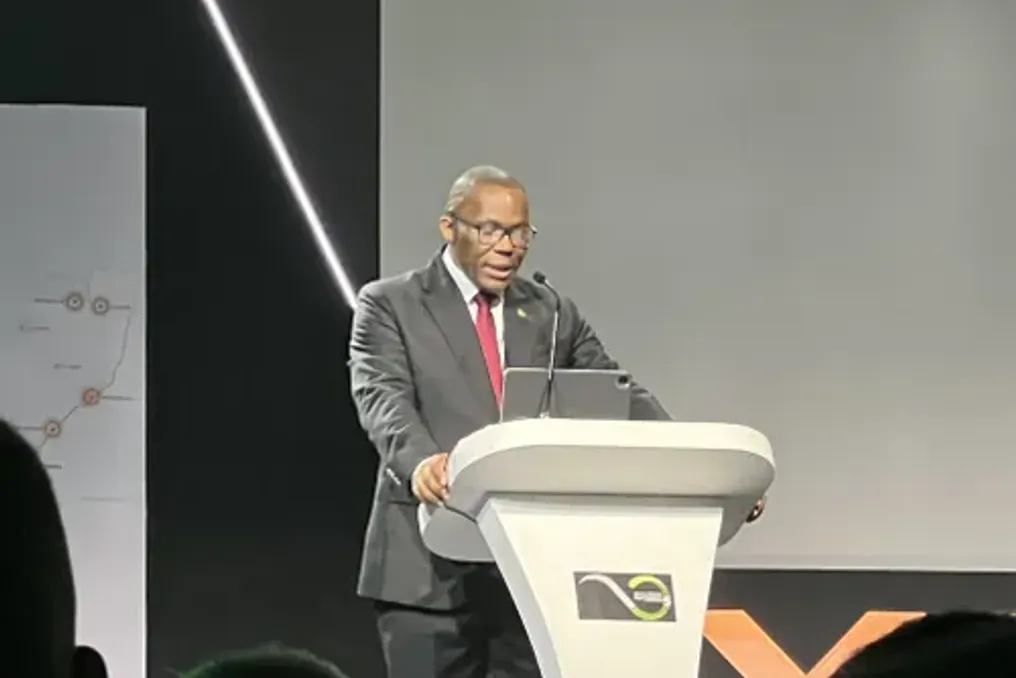
The Mayor of Durban, Cyril Shabane, stated at the KZN Investment Conference on Thursday that despite serious difficulties in recent years and current challenges, there are still opportunities for investors in Durban.

He noted that the city has faced a number of serious challenges, including floods that damaged communities, looting that harmed businesses, a persistent water crisis, and protests reflecting the socio-economic difficulties of residents.

Nevertheless, the mayor emphasized that amidst these problems, a clear opportunity for transformation is visible, especially through the creation of significant partnerships with investors.

Call for Partnership

Shabane urged business leaders to prioritize Durban in their plans, presenting a transformative vision for the city focused on economic revival and job creation, particularly in areas such as Umlazi, Inanda, and Bluff.

He also announced that a significant portion of the municipal capital budget has been allocated to improving water and electricity supply—critical infrastructure that will help local businesses and enhance the quality of public services. The mayor assured that the government is committed to addressing citizens' needs and improving service delivery.

In addition to this commitment, Shabane outlined three fundamental principles that these partnerships will be guided by: a responsive government, a partnership that shares the benefits of growth, and an unwavering pursuit of economic progress.

The mayor strongly recommended that potential investors deeply engage with the opportunities offered by South Africa, rather than limiting themselves to attending conferences. He called: 'Experience our city, our culture, and our people. We want to create jobs, expand businesses, and ultimately transform lives.'

Popular