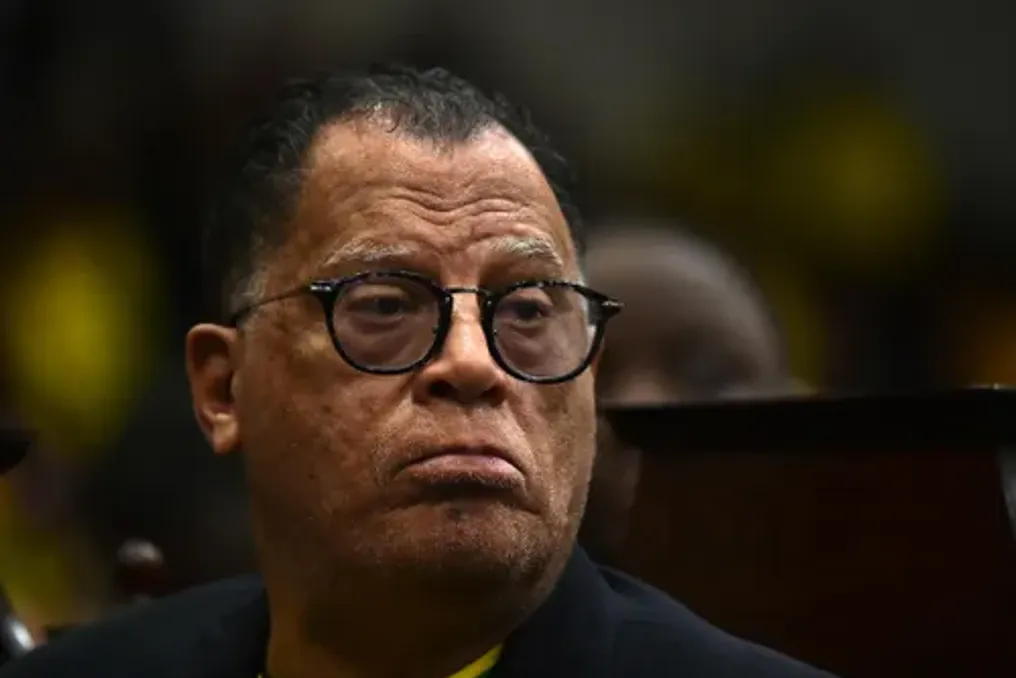
Implementing the VAR system is key to Danny Jordan's legacy at SAFA
Read more
IOL
iol.co.za

Implementing the VAR system is key to Danny Jordan's legacy at SAFA

Danny Jordan's re-election as president of SAFA for a fourth consecutive term has drawn significant attention. However, this veteran has an opportunity to turn critics into supporters by implementing the Video Assistant Referee (VAR) system before the end of his term.

Despite disagreements over the real necessity and effectiveness of this system in football, given the terrible officiating displayed in the PSL over many years, the introduction of VAR appears necessary for the game.

The multi-billion Rand PSL product has been criticized for poor refereeing, which has damaged the league's image, led to lost points and trophies for teams, and threatened the jobs of coaches and players. Furthermore, referees sometimes face threats to their livelihoods.

South African officials have participated in major tournaments, including the men's FIFA World Cup, where Abongile Thom and linesman Zakhale Sivela took part in recent final matches in North America. Nevertheless, there is potential to improve these statistics.

SAFA intervenes in this situation, tasked with ensuring the implementation of this system and providing services at most football matches in the country. This initiative has received support from DSAC in the form of R20 million in funding.

According to SAFA CEO Lidiya Mongiepao, this amount is intended exclusively for procurement purposes, i.e., for purchasing equipment. The second phase of the three-year plan involves training referees on using the system—an initiative that SAFA claims it is already implementing independently with Cosafa, which is a promising step.

However, while the CEO and her office demonstrate positive results, the responsibility lies with Jordan to ensure the plans are realized. It is unacceptable for years to pass in discussions without any action plan.

Of course, ensuring the entire process requires financial resources, and SAFA states that the received grants are used for specific purposes. But since CAF has increased its annual grants from R8.5 million to R11.5 million, and FIFA plans to increase its quarterly grant from $10 million (approximately R168.8 million) to $25 million (approximately R412 million), SAFA may have sufficient funds.

Undoubtedly, gaps will arise that SAFA will want to address. Nevertheless, they are obliged to use the funds properly and specifically for the development of football, which includes improving officiating and game control.

This will not only raise the profile of the PSL as one of the well-developed leagues in the world but also allow the South African product to be presented to the world, as the country will participate in all sports tenders supported by the development of sports infrastructure in general.

The concept of VAR is not yet accepted by everyone, but this should not be a reason for South Africa not to install it in the near future, especially considering that the relevant stakeholders, particularly SAFA and its special PSL member, know that VAR has become an integral part of modern football.

Jordan could advance his cause and make up for lost time by ensuring the installation of VAR, possibly during his last term in office, thereby leaving South African football in a better state. Failure to do so will only attract more attention to reports of misuse of funds during his tenure.
Similar stories

Arbitrator Abongile Tom's performance in the MTN8 final raises questions in South African football
Read more
iol.co.za

Arbitrator Abongile Tom's performance in the MTN8 final raises questions in South African football

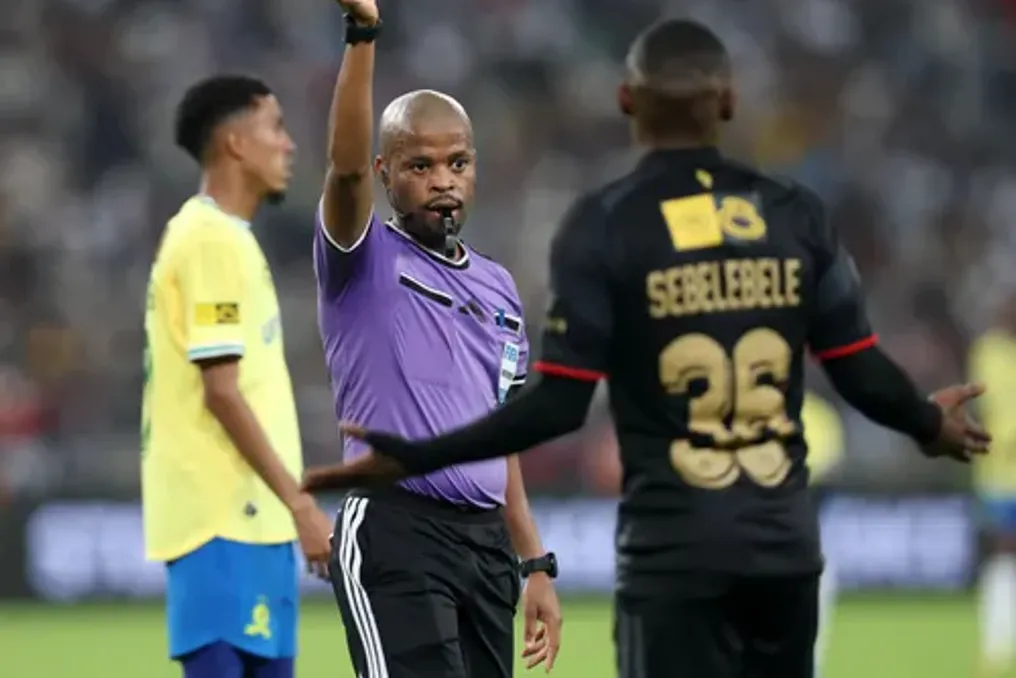
Referee Abongile Tom received a yellow card for Kamogelo Selebelele of Orlando Pirates during the 2026 MTN8 final between Mamelodi Sundowns and Orlando Pirates at Moses Mabhida Stadium.

The handling of the MTN8 final between Mamelodi Sundowns and Orlando Pirates should concern South African football, especially considering that Tom represented the country at the 2026 FIFA World Cup. During the match at Moses Mabhida Stadium, Sundowns defeated Pirates on Saturday, but two controversial penalty decisions cast doubt on his performance in a match that should have been remembered primarily for the quality of football.

The first controversial moment occurred in the second half when Pirates were awarded a penalty after Teboko Mokoena fouled Yanele Mbutumu. However, Ronwen Williams saved Gamphani Lungu's shot, denying the Buccaneers a chance to equalize.

The second incident happened in stoppage time when Sundowns were awarded a penalty after Siyanda 'Skhwishi' Ndlovu fell during contact with Tapelo Mokobodi. Ikraam Reiner converted this penalty, securing Sundowns their fifth MTN8 title and concluding their wait for the trophy in this tournament since 2021.

It cannot be said that Tom's decisions determined the winner. Williams' save meant that Pirates could not capitalize on their penalty, whereas Sundowns were already leading when Reiner scored his.

Nevertheless, both incidents had the potential to influence the outcome of the final between the country's two biggest clubs. Tom's last controversial situation at Moses Mabhida Stadium also reminded people of the 2024 MTN8 final, where he officiated, and Pirates scored one of the most memorable and controversial goals against Stellenbosch FC at the same venue.

The circumstances surrounding that goal became the subject of widespread discussion, placing Tom at the center of another high-profile domestic cup final that sparked debate over refereeing. These incidents should not be used to define an entire referee's career.

However, when referees are entrusted with major domestic matches and they represent South Africa on the biggest football stage, intense scrutiny of their performances is inevitable. Tom was the only central referee from South Africa at the 2026 FIFA World Cup, and assistant referee Zahele Sivela also represented the country.

The selection of these referees was a significant achievement for South African officiating and a source of national pride. But international recognition should not exempt referees from legitimate criticism. If South African officials wish to gain respect on the world stage, the quality and consistency of their decisions at home must also stand up to scrutiny.

The question is not whether Tom should be condemned because of one final, nor whether Sundowns deserved their victory. The question is whether South African football is ready to honestly analyze controversial decisions and use them to raise the standard of domestic officiating.

Tom's participation in the World Cup should be celebrated. But it also creates an expectation that his performances in major domestic matches will withstand criticism. For South African football, more important than just discussing the two penalty decisions is ensuring that the quality of officiating meets the ambitions of the game and the growing demands placed on those entrusted with the most important events.

Popular