Climate could become the next major economic problem for South Africa
Read more
IOL
iol.co.za

Climate could become the next major economic problem for South Africa

Weather may become the next significant economic challenge for South Africa. The intensification of El Niño is raising concerns about rising temperatures, reduced rainfall, and the consequences for the country's agriculture, food prices, and economic growth.

Aroni Chaudhuri, an economist at Coface, warned that climate risks are turning into one of Africa's largest economic problems, as extreme weather conditions threaten agricultural production, food security, and overall economic stability.

Climate risks threaten food prices and growth

He noted that while favorable rainfall contributed to increased agricultural output and reduced pressure on food prices in 2025, a strong El Niño is capable of reversing these gains. This will lead to negative consequences for inflation, consumer spending, and economic growth in both South Africa and the wider region.

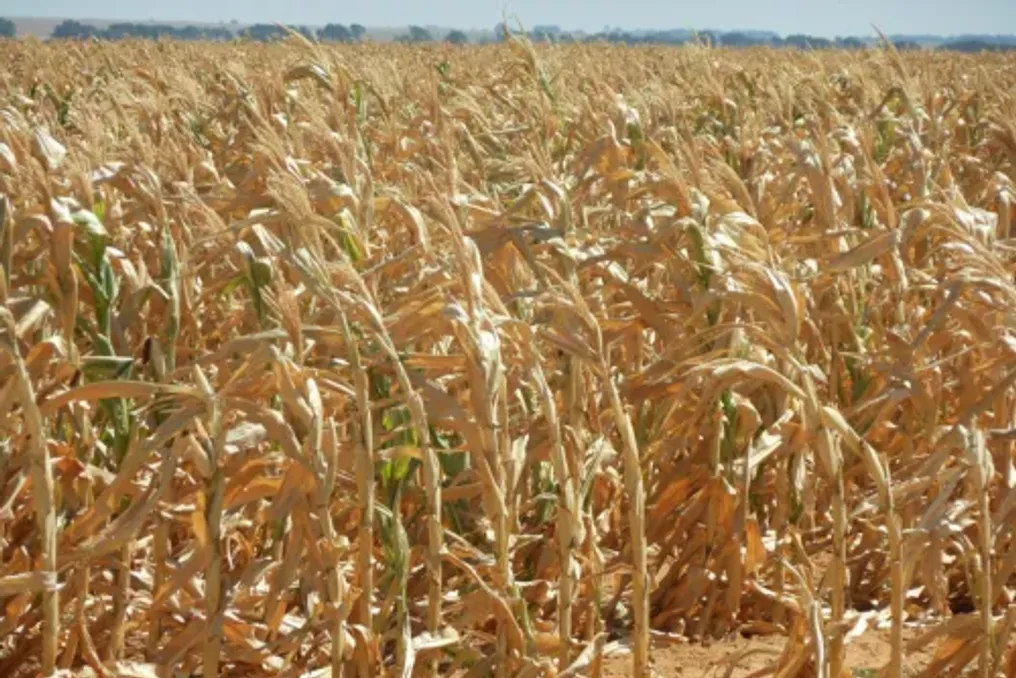
Chaudhuri emphasized that the region's food system heavily relies on stable maize production in countries such as South Africa, Zambia, and Zimbabwe. Any significant drop in yields could accelerate food inflation across the region, putting additional pressure on households already facing tight budgets.

He added that this is particularly important because the impact of food inflation is felt much more strongly in Emerging Market and Developing Economies (EMDEs) compared to developed economies.

This warning came as South Africa prepares for its summer planting season, and climate forecasts indicate an intensification of El Niño, which could affect rainfall and temperature until early 2027. However, the extent of potential economic damage remains uncertain.

Investec reported last week that South Africa is likely to face less severe consequences than during the 2024 drought, when lack of rainfall damaged agriculture and slowed economic growth. The bank forecasts that El Niño will reduce economic growth in 2026 by between zero and 0.1 percentage points, and in 2027 by no more than 0.2 percentage points. It also revised its growth forecast for next year from 1.7% to 1.5%.

The bank stated: 'We still expect the negative impact of El Niño on GDP this year to be between 0% and -0.1% year-on-year, and next year no more than -0.2% year-on-year, with El Niño lasting until February 2027, after which a potential weak La Niña may follow according to current expectations.'

Investec cautioned that even if South Africa avoids a severe drought, abnormally high temperatures can still damage crops and livestock. Agriculture was a key driver of growth in 2025, contributing 1.1% to growth compared to 0.7% without this sector.

Extreme heat endangers workers and businesses

The impact can also be felt in workplaces, as extreme heat threatens worker health, productivity, and business operations. Médecins Sans Frontières (MSF) urged South African organizations to prepare for hotter conditions, warning that heat can affect workers both indoors and outdoors, disrupt supply chains, and strain energy and transport networks.

Dr. Chris van Straaten, a global health consultant for MSF on clinical management, stated that extreme heat should be viewed as both a workplace health issue and an operational risk. He warned that heat can cause dehydration and exhaustion, as well as affect concentration and reaction time.

Dr. van Straaten noted: 'Recent experience in Europe has shown how quickly extreme heat can overload healthcare systems, disrupt operations, and create serious risks for workers. Although South Africa's climate differs from Europe's, the lesson for employers is clear: extreme heat must be recognized as both a workplace health issue and an operational risk.'

MSF advised employers to assess their vulnerability to extreme heat before temperature increases, monitor weather forecasts, and develop worker protection plans. He added: 'Many organizations continue to link heat-related illnesses primarily to outdoor workers, such as construction workers and farmers.'

However, he said that indoor employees—those working in warehouses, factories, and poorly ventilated offices, including those required to wear heavy personal protective equipment (PPE)—are also vulnerable.

Similar stories

Researchers built a wildlife pond in Goa and filmed the region's leopard cat for the first time
Read more
thebetterindia.com

Researchers built a wildlife pond in Goa and filmed the region's leopard cat for the first time

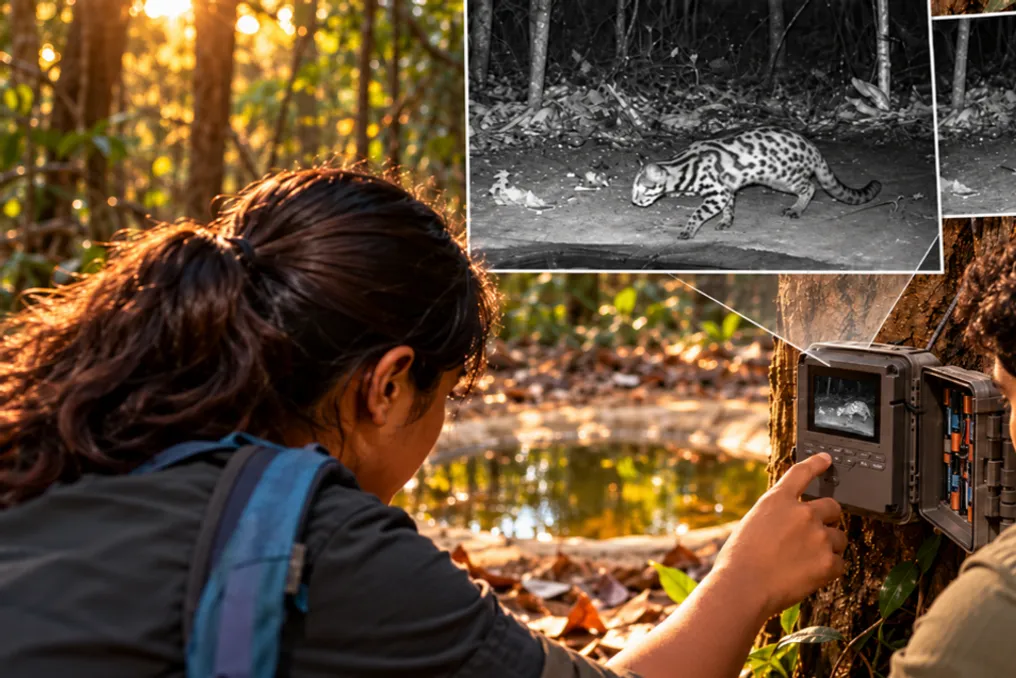
In March 2024, near the Bhagwan Mahavir Wildlife Sanctuary in Goa, a small wild cat approached an artificial pond created by researchers. It stopped to drink, unaware that a nearby camera trap was recording its movements. The camera captured five short video clips, which proved to be an important discovery for wildlife researchers Akshita Pungali and Atul Borker.

This visitor turned out to be a mainland leopard cat (Prionailurus bengalensis)—a shy and elusive animal that had never been photographed in Goa before, according to the researchers' publications. This finding represents the first documented photographic record of this species in the state, and the results were published in the IUCN Cat News Commission in 2025.

However, the researchers' initial goal was not to find the leopard cat. Their project began with a simpler problem: every February, a stream flowing through a section of forest dried up, leaving animals with fewer drinking spots as the hot months approached. Akshita and Atul wondered if a small artificial pond could provide water for wildlife during these periods and decided to build one, using a camera trap to monitor the results.

When the forest dried up

Akshita and Atul have long shown interest in wildlife species that receive less attention compared to animals like tigers and elephants. In 2023, they jointly founded the Vanasa Conservation Foundation to protect lesser-known animals. Their work led them to a piece of private forest land bordering the Bhagwan Mahavir Wildlife Sanctuary, where the seasonal stream provided an opportunity to study how animals cope with dwindling water sources.

Akshita told The Better India: 'We wanted to understand whether the animals would use the artificial water source in these forest areas. We monitored activity throughout the year, but the initial plan was to ensure water during drier months.'

Before building the pond, the team searched for a suitable location where animals were likely already passing through. They walked through the forest looking for small trails, fruit remnants, and disturbed fallen leaves—signs that mammals regularly traversed certain parts of the landscape. Akshita explained: 'We were looking for places where we could see smaller mammal trails, food lying around, signs that told us it was their path.'

Using these signs, they selected a suitable spot, dug a small pond, lined it, and filled it with water. The artificial pond had a capacity of 40 liters. Placing a camera trap nearby was intended to help the team determine if the animals found the water and, more importantly, if they returned to it.

Birds, squirrels, and leopards arrived

The camera soon began capturing birds coming to drink, mongooses roaming, and squirrels moving in the frame. As monitoring continued, the researchers started noticing larger visitors, including the Indian Gaur and leopards. Giant squirrels also appeared in the footage. Some animals came so close to the camera that it barely captured their bodies. Akshita recalls moments when 'only hooves were barely visible.'

For the team, hoping to understand if the wildlife was using the pond, the diversity of visitors was encouraging. However, Akshita was drawn to how some animals seemed to return to the same spot. She notes: 'If we keep it running throughout the seasons of the year, you see that they get used to this place. Before, they might have found it by chance, but now they recognize it.'

Repeated visits indicated that some animals were becoming accustomed to the water source. Meanwhile, the camera helped researchers observe wildlife that might otherwise pass through the forest unnoticed. Over 390 nights of camera trap operation, they documented visits from several species, including five clips of a mainland leopard cat drinking from the pond on March 7, 2024. Akshita shares: 'My co-founder and I were just very happy that it happened.'

Their joy stemmed from realizing how difficult it is to photograph such a species, especially in a region with so few previous records.

The leopard cat that hasn't been photographed in Goa

The mainland leopard cat is one of the most common wild cats in Asia. It can be found in parts of India, Southeast Asia, China, Taiwan, Japan, and the Russian Far East, and the International Union for Conservation of Nature (IUCN) classifies it as least concerning. Nevertheless, there are gaps in understanding exactly where these cats inhabit in India. Most records come from the southern Western Ghats, the Himalayas, and the Northeast. Photographic observations in the northern Western Ghats were particularly sparse, with only two previously documented individuals in the broader region.

Wildlife cards suggested that leopard cats might occur in Goa, but the researchers lacked photographic evidence from the state. The video footage from Akshita and Atul's pond helped fill this gap. Part of the difficulty lies in the animal's behavior. Leopard cats are small, shy, primarily nocturnal, and often move through dense vegetation, making them difficult to observe. Akshita explains: 'This cat does not behave like tigers or leopards. It is small, elusive, shy, and mostly active at night.'

Researchers can sometimes identify individual cats by coat markings, but obtaining repeated recordings using camera traps in large forests requires significant time and effort. And this effort needs funding, which is hard to secure for less studied species. Akshita states: 'Wildlife research heavily depends on funding. And funding is often directed towards larger or human-conflict species.'

As a result, small predators often receive less research attention, even though they play vital roles in forests. For example, leopard cats prey on rodents and other small animals, helping to regulate prey populations. Understanding their movements and habitat can help scientists learn more about the functioning of these forest ecosystems. Therefore, even one confirmed photographic record can be valuable, as it indicates the presence of the species in a specific landscape and provides a starting point for further research. For Akshita, the finding in Goa also demonstrates what can emerge from a relatively small conservation experiment.

Can this idea help other forests?

Akshita estimates that creating an artificial pond like the one used in the project costs approximately 30,000 to 40,000 rupees. A basic camera trap can cost between 8,000 and 10,000 rupees, while a more advanced model costs around 25,000 rupees. She notes: 'Overall, it is a very inexpensive plan.'

The pond can provide a water source during dry months, and the camera trap helps identify which animals visit the adjacent area. Akshita says that nature resorts in Karnataka have already begun discussing similar interventions. For private properties bordering forests, carefully planned projects like these can be a way to contribute to nature conservation while learning more about local wildlife.

However, they also require understanding how different animals might react. For instance, if small animals start using the pond, will larger predators follow? 'Maybe,' Akshita replies. 'And I am sure many larger cats use these areas, and perhaps nature resorts don't know about it yet.'

This possibility makes careful monitoring crucial. People living or working near forests may know little about the various species passing through their surroundings, especially at night. As Akshita emphasizes, studying these animals doesn't always require creating a new water body. 'If you want to know what is in your backyard, sometimes you don't even need a watering hole. Just set up camera traps near good forest habitat.'

Her team's experience in Goa serves as an example of why this curiosity matters. They started by observing a stream that dried up every February. They followed animal trails, created a small pond, and placed a camera nearby to see who would come. The recordings showed a diversity of water-using animals, including the leopard cat, which had never been photographed in Goa before. Five short video clips gave the researchers a new piece of wildlife data and drew attention to the small wild cat, which remains understudied in this part of India. And it all started because two researchers noticed that the animals in the forest area might need a place to drink.
Is it possible that an air purifier costing 5000 rupees can handle Delhi's pollution?
Read more
www.aajtak.in

Is it possible that an air purifier costing 5000 rupees can handle Delhi's pollution?

As pollution intensifies in Delhi, people are starting to purchase air purifiers to ensure clean indoor air. Although there are models on the market whose cost reaches thousands and even millions of rupees, some options are available in the price range of 5000 rupees. The question arises: can a 5000 rupee air purifier clean the toxic air of Delhi, or will the purchase be a waste of money?

During the winter period, the air quality in the Delhi-NCR region can be extremely low because fine particles such as PM2.5 and PM10 are present in the air, which can enter the body through respiration. Under such conditions, an air purifier can help maintain clean air in the home. It is important to note that not all air purifiers work the same way.

If you are considering buying a 5000 rupee air purifier, you should first check its filter. Models equipped with HEPA filters are capable of removing fine particles from the air. However, one should not buy a device based solely on the presence of an HEPA filter; the filtration capacity and air purification speed must also be assessed considering the room size.

Here, the CADR, or Clean Air Delivery Rate, is very important. It indicates how quickly the purifier can clean the air. If your room is large and the device's power is low, the cleaning process will take longer.

For small rooms, a 5000 rupee air purifier may be useful, provided its power matches the room size. Nevertheless, if the outdoor AQI level is very poor, one inexpensive purifier may not be enough to ensure clean air throughout the entire house. Larger rooms or conditions of severe pollution may require models with higher power.

Furthermore, after purchasing an air purifier, it is crucial to replace its filters on time, as a clogged filter can negatively affect the device's performance. You can also reduce the intake of polluted air from outside by keeping windows and doors closed.

In conclusion, a 5000 rupee air purifier can be useful for a small room, but before buying, be sure to check its filters, CADR, and room size. One should not make a decision based only on the low price, as choosing a purifier with appropriate power is most important for protection against Delhi's toxic air.

India produces 454 million tons of sugarcane: the diversity of its production applications
Read more
thebetterindia.com

India produces 454 million tons of sugarcane: the diversity of its production applications

The concept of 'one plant, 100 uses' explores numerous ways to utilize familiar Indian plants, leaves, fruits, and trees in daily life—from nutrition and agriculture to traditions and natural remedies. Each story focuses on a single plant and reveals the surprising ways people have found it useful, often over several generations.

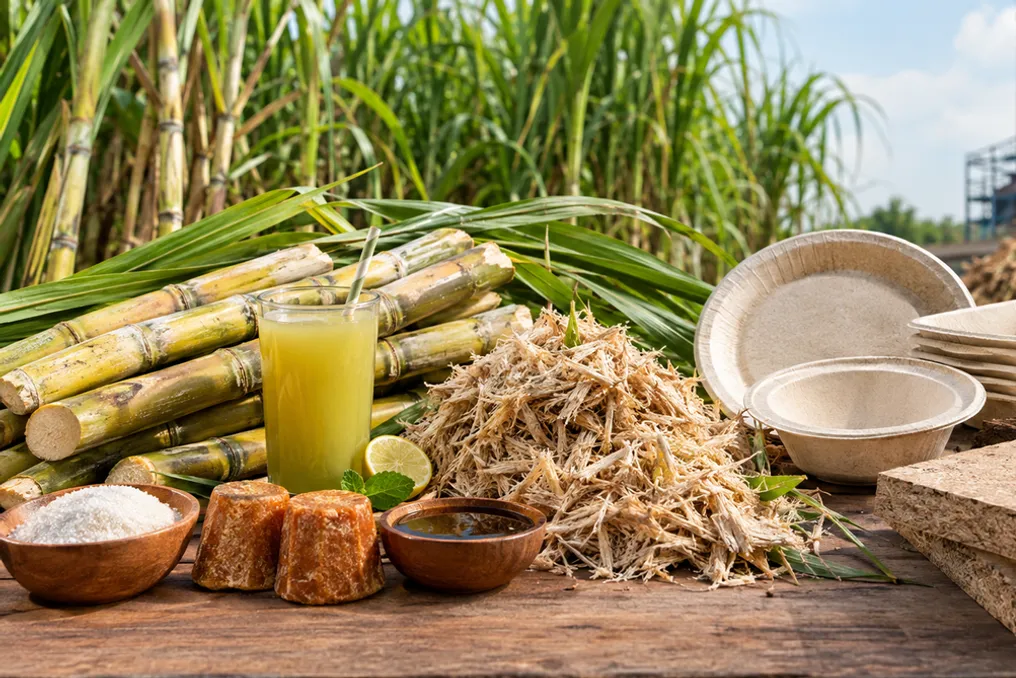
Sugarcane is a familiar element of India's agricultural landscape. Its sweet juice is popular as a summer drink; the stalks are crushed to produce sugar and jaggery, and the leaves can be used as fodder for livestock. However, the utility of this plant is not limited to juice extraction.

According to data from the Ministry of Agriculture and Farmers' Welfare in the 'Agricultural Statistics Review 2024-25' section, India produced 454.61 million tons of sugarcane in 2024-25. In addition to sugar production, this harvest serves as raw material for industries that use its fibrous residue and other by-products.

Sugarcane offers a range of applications beyond culinary uses, including electricity generation, paper production, creation of compostable tableware, and soil enrichment. Even the fibrous residue after crushing the stalks can become valuable industrial raw material.

Studies conducted by Indian agricultural institutions highlight how different parts of the crop can be utilized. Below are examples of how this everyday plant finds application far beyond the sugar mill.

Sweetening everyday products

Sugar is the most well-known product derived from sugarcane. Its juice is processed to extract sucrose, which is then crystallized into sugar used in homes, restaurants, and the food industry. The plant also provides traditional Indian sweeteners such as gur (jaggery) and khandsari sugar. Jaggery is made by boiling concentrated sugarcane juice until it solidifies and is widely used in regional sweets like laddus, halwas, and traditional dishes.

The Government of India's 'One District One Product' portal provides additional information on sugarcane-based products, such as molasses and jaggery.

Making a refreshing drink

Fresh sugarcane juice is a popular street drink across India, especially in the summer. Vendors crush the stalks to extract the juice, often serving it with lemon, ginger, or mint. This juice can also be evaporated to produce jaggery. In traditional production, the fibrous residue left after extraction can be burned to provide heat during juice boiling, allowing one part of the plant to aid in processing another.

Creating compostable disposable tableware

The fibrous residue left after extracting juice from sugarcane is called bagasse. Its fibers can be recycled into plates and other disposable tableware, offering an alternative to conventional plastic items. The Central Institute for Cotton Research of the Indian Council of Agricultural Research developed a technology for producing disposable paper plates using sugarcane bagasse and banana heart fibers. According to an ICAR technical note on creating wealth from agricultural waste, the production unit can manufacture between 10,000 and 30,000 paper plates per day, depending on its size. The process uses pressure molding to transform the fibers into usable products. This gives sugarcane processing industries another way to utilize the residue left after stalk crushing.

Electricity generation

Bagasse can also serve as fuel. Sugar mills burn this fibrous residue in boilers to generate steam, which drives turbines to produce electricity. The electricity helps meet the mill's own energy needs, and facilities with suitable infrastructure can supply surplus power to the grid. According to a release from the Press Information Bureau of the Ministry of Power and New and Renewable Energy, sugar mills use bagasse-based cogeneration units to produce steam and electricity for their operations and generate additional energy for sale.

Turning waste into paper

Bagasse contains cellulose, a component of plant fibers used in paper manufacturing. After appropriate processing, it can be converted into paper and other fibrous products. The Institute of Forestry Science and Technology under the Indian Council of Forestry Research and Education explains how bagasse can be used to produce particleboard. It also identifies this material as a potential source of cellulose for paper production. Utilizing this residue can create another source of raw material for industries dependent on plant fibers.

Fodder for livestock

Sugarcane can also support animal husbandry. Green tops and leaves remaining after harvesting can be used as dry fodder for cattle, especially when regular feed is scarce. A study by the Indian Council of Agricultural Research on sugarcane waste as feed explains how the material can be chopped and mixed with green fodder and concentrates. Due to its nutritional limitations, it must be used as part of a balanced diet, not as a complete feed on its own.

Soil enrichment

Fine dirt, also known as filter cake, is a byproduct separated during the clarification of sugarcane juice. It contains organic matter and plant nutrients that can be beneficial in agriculture. After proper treatment, it can be incorporated into compost and soil amendments, helping to return organic matter to agricultural lands. Its composition should be checked before application to ensure it is suitable for the intended use. This opens another path for the productive use of sugar industry waste instead of viewing it solely as refuse.

Particleboard production

Sugarcane bagasse can be used to produce particleboard, which is made by treating plant fibers or particles and binding them into sheets. These boards can be used in certain furniture and interior design solutions. A study by the Institute of Forestry Science and Technology on bagasse particleboards describes the fiber content of the material and its potential in board production. This application transforms the residue from sugar production into a material that can serve the construction and furniture industries.

One plant, many possibilities

The value of sugarcane lies not only in its sweet juice but also in the multitude of products that can be derived from its various parts. More efficient utilization of these materials can reduce waste and create added value for sugar mills and farmers. The key to success is selecting appropriate processing methods so that the majority of the harvest can be used productively.

Popular