Increased scrutiny is being observed in the field of food safety. The Food Safety and Standards Authority of India has proposed banning the addition of sucrose and fructose in food products for infants under six months old. This measure aims to reduce the impact of added sugar on infants and combat the risks associated with childhood obesity.
In this regard, the Maharashtra Food and Drug Administration has initiated an investigation into employees of Reliance Group structures and the Blinkit and Hyperpure divisions of the Eternal company. The investigation involves Blinkit executives, including Albindar Dhindsa, as documents suggest that the products allegedly returned to the supply chain.
Concurrently, amid growing concerns about AI safety, Anthropic presented its safety bill to Capitol Hill legislators. According to this proposal, the government may block the release or impede the implementation of an AI model if it poses a direct threat of causing damage exceeding one billion dollars or resulting in the death or serious injury of more than 50 people.
French automaker Renault is actively investing in hybrid and gas engine technologies in the Indian market. Renault India CEO Stéphane Deblaize believes that both technologies could account for nearly half of the manufacturer's powertrain sales over the next two to three years. The automotive company has launched its first strong hybrid variant based on the Duster SUV and plans to release models equipped with CNG plants in the future.
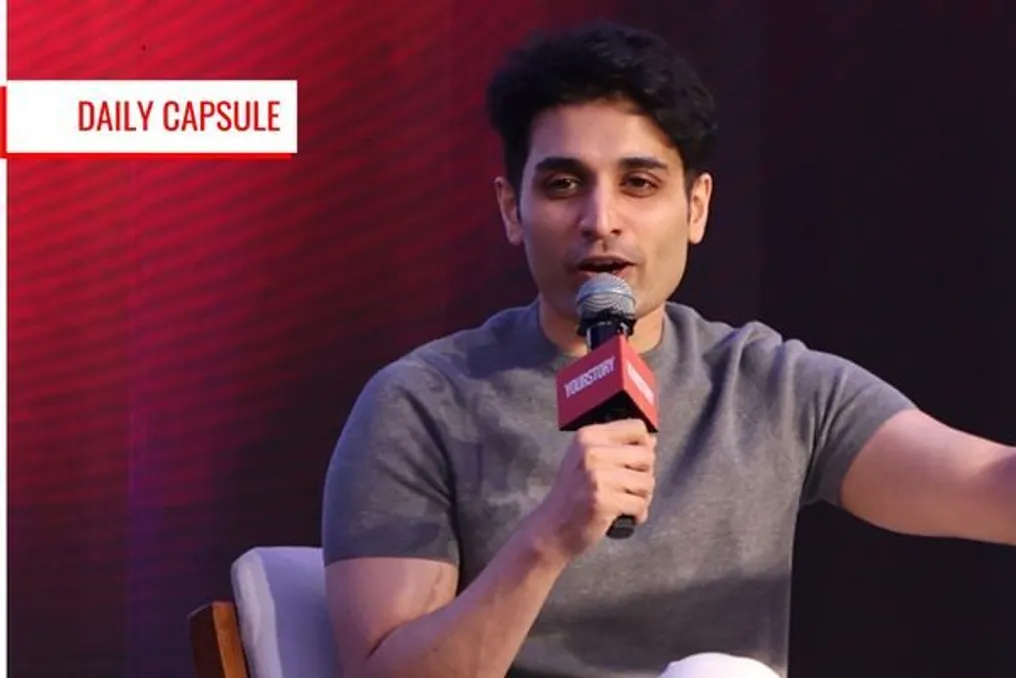
At the TechSparks 2026 event, Varun Maya, founder and CEO of AEOS, delivered a presentation on how negative online reactions can grant authors freedom of expression, why founders need to master reinvention, and why there is no secret formula for viral success. He noted that attracting an audience requires not only regular social media posts but also years of experimentation, a willingness to be different, and the ability to adapt to technological changes and audience expectations.
Key Takeaways
According to Shivkumar Kalyaraman, CEO of the Anusandhan National Research Foundation, India cannot afford to repeat the 75-year evolutionary cycle of Western institutions such as the US National Science Foundation or DARPA. To increase India's R&D spending to 3% of GDP, Kalyaraman proposes a patient capital architecture that combines private investment, open intellectual property licensing, and national mission programs.