Uzbekistan and Germany plan to expand cooperation in potato cultivation
Read more
UzDaily
uzdaily.uz

Uzbekistan and Germany plan to expand cooperation in potato cultivation

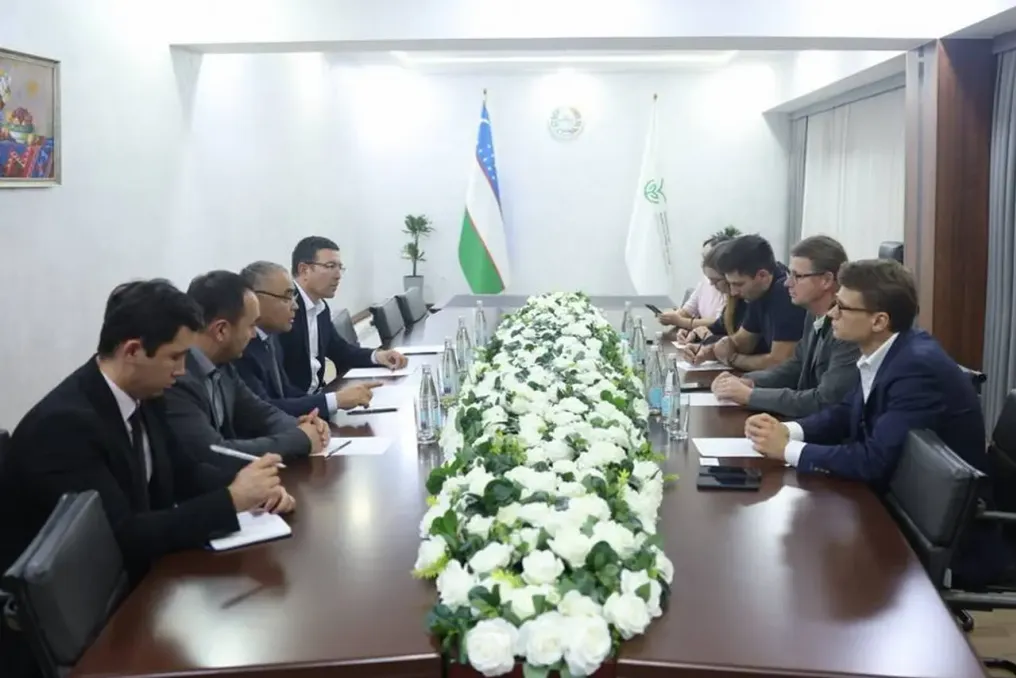
Uzbekistan and Germany intend to deepen scientific and technical interaction in the field of potato cultivation. This cooperation will include the production of high-quality seed potatoes, the introduction of modern agricultural technologies, and the practical application of research findings.

The discussion on these issues was held by the Minister of Agriculture of Uzbekistan, Ibrohim Abdurakhmonov, and a delegation led by Jürgen Schwarzensteiner, Managing Director of the German company Farmtastic Consulting GmbH. Sergey Werner, a member of the project's supervisory board, also participated in the meeting.

The Minister presented measures aimed at developing Uzbekistan's potato sector. These include cultivating high-generation seed potatoes in in vitro laboratories, as well as using aeroponic greenhouses and netting houses.

The parties also focused on the work of the Uzbek-Hungarian Potato Cultivation Center at the National Center for Knowledge and Agricultural Innovation (AKIS), as well as research conducted by the Genomics Institute.

According to Abdurakhmonov, one of the main priorities of the sector is increasing the production of mini-tubers, supplying them to specialized farms, and strengthening the national seed potato base. Achieving these goals requires adapting international scientific experience and modern breeding achievements to the soil and climatic conditions of Uzbekistan.

Participants reviewed the results of joint research with scientists from Egypt and South Korea, as well as the outcomes of planting mini-tubers in various regions of Uzbekistan. The Bakhmal district in the Jizzakh region was identified as an important zone for the development of potato cultivation and seed production.

Another topic discussed was the implementation of water-saving technologies. Abdurakhmonov emphasized the potential of central irrigation systems, which can increase water use efficiency, help control plant nutrition, and ensure the delivery of mineral fertilizers in the required amounts.

The German delegation positively assessed Uzbekistan's efforts to develop the industry and its approach to the practical application of scientific recommendations. Following the meeting, both sides expressed readiness to expand scientific cooperation, develop joint projects on potato cultivation, and utilize the resulting outcomes in agricultural production.
Similar stories

Uzbekistan and Russia Expand Interregional Cooperation in Trade and Investment
Read more
uzdaily.uz

Uzbekistan and Russia Expand Interregional Cooperation in Trade and Investment

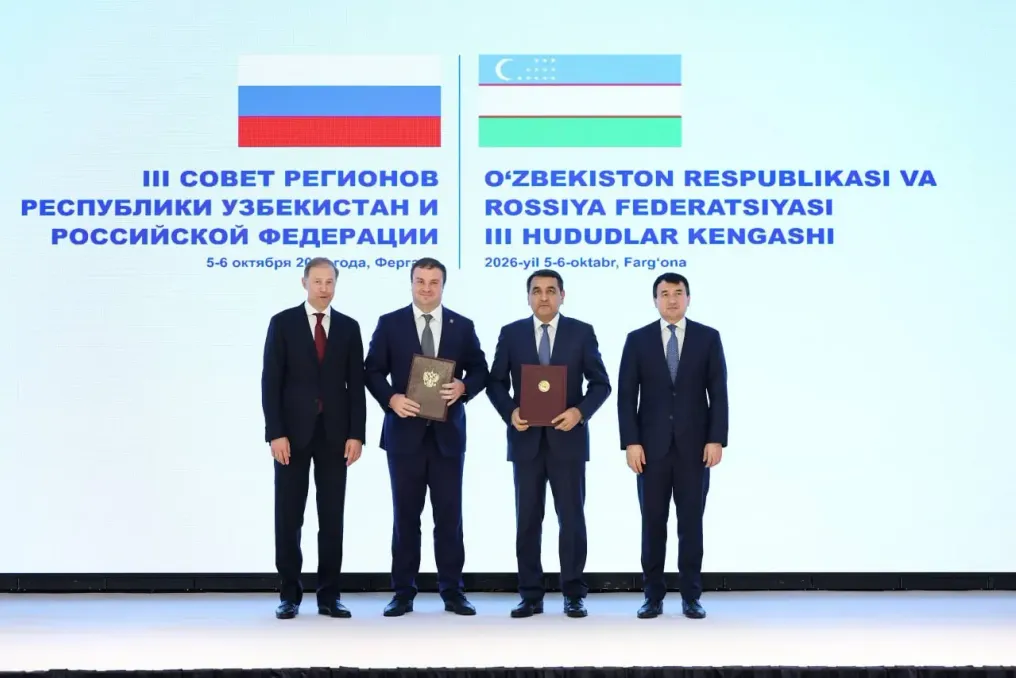
Uzbekistan and Russia intend to deepen direct interaction between their regions, as well as strengthen industrial cooperation, trade, and investment ties. These issues were discussed on October 6th in Fergana during the plenary session of the third Council of Regions of the two countries.

The event began with the reading of messages from the Presidents of Uzbekistan, Shavkat Mirziyoyev, and Russia, Vladimir Putin. The message from the Uzbek leader was presented by the Deputy Prime Minister of Uzbekistan, Jamshid Khodjayev, while the Russian message was delivered by the First Deputy Prime Minister, Denis Manturov.

Khodjayev emphasized that holding the Council in Fergana is of particular importance for developing interregional ties. He noted that the mechanism of cooperation between the regions of the two states has demonstrated practical effectiveness for more than eight years.

The meeting gathered leaders and representatives from 17 Russian regions, representatives from all regions of Uzbekistan, as well as about 400 entrepreneurs from both countries.

According to Khodjayev, all 14 regions of Uzbekistan maintain stable relations with more than 50 subjects of the Russian Federation. The joint portfolio of cooperation projects exceeds 200 initiatives with a total value of almost 6 billion US dollars.

He stated that this confirms that the regions are one of the solid foundations of partnership for achieving strategic goals.

Manturov reported that since the beginning of 2026, the regions of Russia and their Uzbek partners have organized about 100 joint events, including major business forums in both countries. He also invited participants to Omsk, where the fourth Council of Regions is planned.

The plenary discussion included leaders and representatives from the Fergana, Sunikandaryinsk, and Namangan regions of Uzbekistan, as well as the Krasnoyarsk Krai, Altai Krai, Novosibirsk, and Omsk regions of Russia.

One of the practical outcomes of the meeting was the exchange of four documents: three interregional agreements and one commercial agreement. The Fergana region and the Omsk region signed a cooperation agreement in industry. The Sunikandaryinsk region and the Krasnoyarsk Krai agreed on interaction in the fields of trade, economy, science, technology, culture, and humanitarian issues.

The Namangan region and the Republic of Dagestan approved an action plan for implementing the agreement on trade, economic, scientific and technical, and socio-cultural cooperation.

A separate agreement was signed in the investment sector: the Ministry of Investment, Industry, and Trade of Uzbekistan, together with Wildberries, concluded an investment agreement providing for the construction of a Class A logistics complex.

The Council of Regions is considered one of the mechanisms for developing economic interaction between Uzbekistan and Russia. Direct contact between the regions allows the parties to form new business ties and translate interregional agreements into concrete investment and industrial projects.

Uzbekistan and Bauer expand cooperation on implementing water-saving technologies
Read more
uzdaily.uz

Uzbekistan and Bauer expand cooperation on implementing water-saving technologies

Uzbekistan and the Austrian company Bauer have reached an agreement to move to a new stage of interaction aimed at implementing water-saving technologies in the agricultural sector.

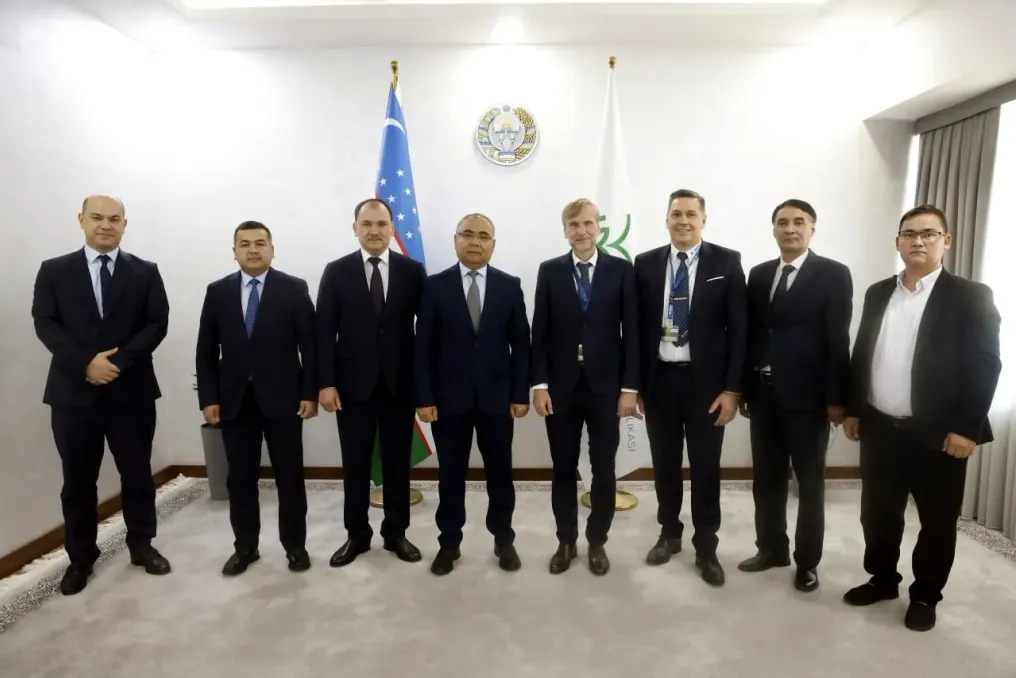
The Minister of Agriculture of Uzbekistan, Ibrohim Abdurakhmonov, held a meeting with Bauer's Finance Director, Andreas Schitter. The parties discussed the current state of the partnership and prospects for further cooperation.

Special attention was paid to the supply of modern water-saving technologies for Uzbekistan's agrarian sector. Opportunities to increase irrigation efficiency, conserve water resources, and ensure crop yields through the use of modern sprinkler systems were considered.

Following the meeting, a draft contract was signed, which is part of the second stage of the 'Implementation of Modern Water-Saving Technologies in Uzbekistan's Agriculture' project. This document provides for the supply and complete installation of modern sprinkler systems.

The Ministry of Agriculture of Uzbekistan emphasized that the rational use of water resources and the introduction of advanced technologies are among the priority areas for the development of the agrarian sector. The new stage of cooperation with Bauer involves the further application of international experience and modern irrigation solutions for agricultural lands.

Popular