To maintain health and good shape, it is not enough to consume only vegetables and fruits; it is important to pay attention to the small details of the daily diet. In Indian families, bread (roti) is eaten almost every day, and in most homes, roti is made from wheat flour. However, it is known that by adding some nutritious components to wheat flour, you can make rotis healthier and tastier. Today we will tell you a simple way to make daily bread healthier, which will increase the nutritional value and improve the taste of the dish.
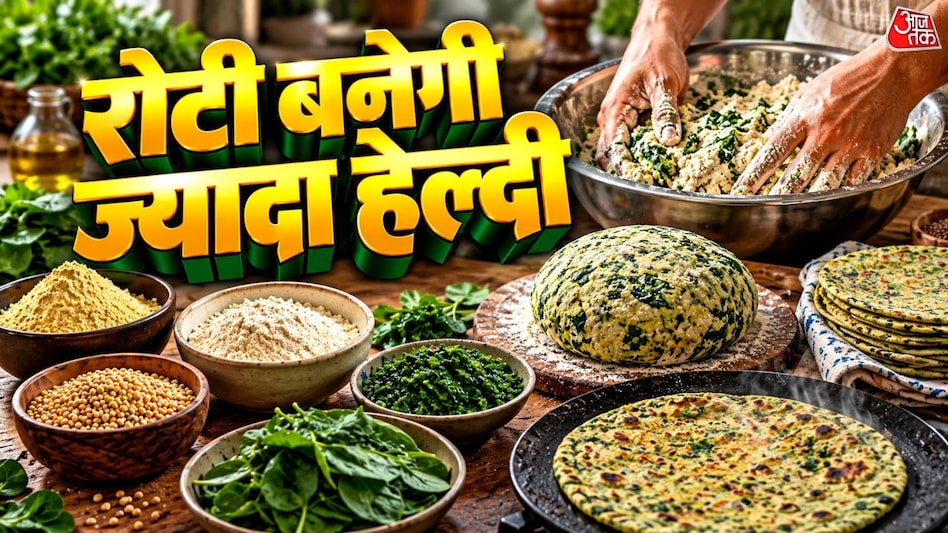
You can make multi-grain flour at home by following the correct proportions. For example, you can mix 1 kilogram of soy powder and 1 kilogram of besan in 10 kilograms of wheat flour. If you do not want to prepare 10 kilograms of flour at once, you can prepare it in a smaller amount using the same proportion. Soy powder is an excellent source of protein, and besan also contains protein and fiber. Their combination increases both the taste and the nutritional value of the roti.
Additionally, during dough kneading, you can add leafy green vegetables such as spinach or mint. However, the amount of vegetables should not exceed 25%, as an excess of vegetables can make rolling the roti difficult. Adding these ingredients improves the taste of the roti and increases its content of fiber, vitamins, and other necessary nutrients.
Rotis made from this multi-grain flour can provide the body with protein, fiber, and many important nutrients. Mixing soy powder and besan with wheat flour increases the protein content in the roti, which helps strengthen muscles and generally improve health. Fiber helps improve digestion and provides a lasting feeling of fullness. Adding spinach or mint during dough kneading can increase the amount of vitamins, minerals, and fiber in the roti.
When making multi-grain flour, you should consider the following points: all ingredients must be used according to your needs. Too much vegetable matter in the flour can complicate the process of rolling the roti, so it is recommended to start with a small amount. If you are allergic to soy or wheat, do not use these products. If you have celiac disease or gluten problems, choose flour based on the recommendation of a doctor or nutritionist.