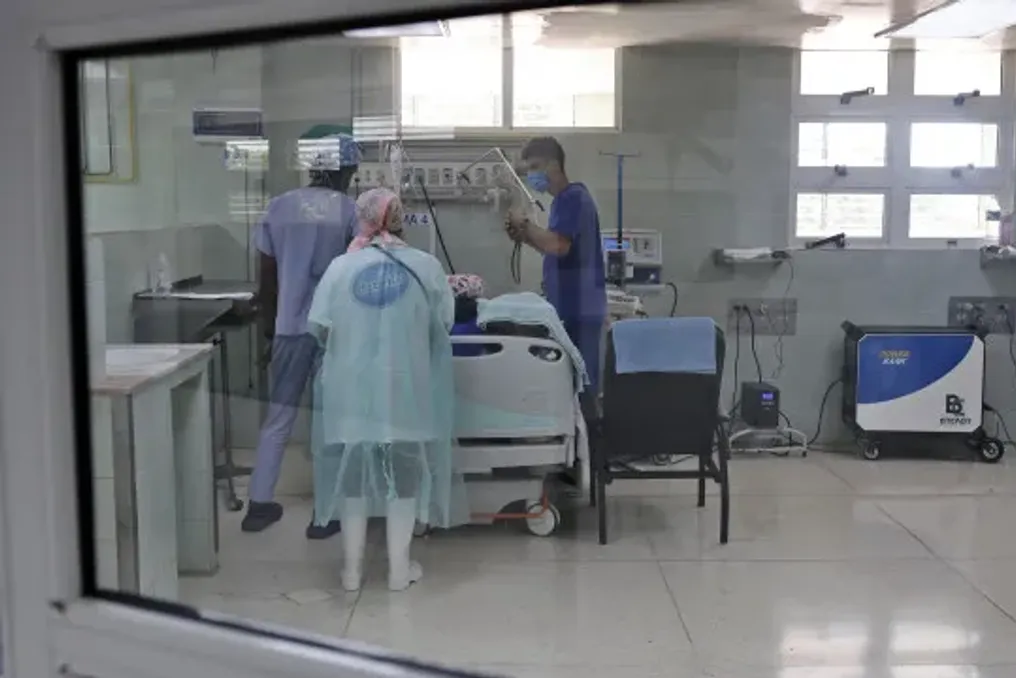
Cuba has denounced that the number of cancer deaths in the country exceeds 70 cases daily, and that the survival rate for children and young people affected by the disease has decreased from 85% to 65%. This deterioration is attributed to the embargo imposed by the United States on the importation of oncological medicines.
A report released by Cuban state media indicates that several innovative anti-cancer drugs developed by American pharmaceutical companies have become completely inaccessible to Cuba. This occurs both due to the US embargo, in effect since 1962, and secondary sanctions introduced this year, which threaten any entity that trades with the island.
The document also highlights the ongoing difficulty in obtaining medical technology originating from the United States or containing more than 10% American components. Furthermore, this policy forces the use of intermediaries, increasing costs and, in some cases, making treatments unattainable.
In financial terms, it was noted that between March 1, 2025, and February 28, 2026, Cuba's pharmaceutical and biotechnological industry registered losses exceeding 134.3 million dollars, directly linked to the US embargo.
The health crisis is reflected in the lack of supplies: out of the 395 medicines produced by the island within its basic health system, 300 are unavailable due to problems accessing raw materials and pharmaceutical inputs.
Additionally, 34 international banking institutions have suspended or refused to conduct transactions related to the acquisition of inputs or medicines by Cuba, motivated by fear of secondary sanctions.
Given this situation, the Cuban government allowed private entrepreneurs to manage pharmacies last July, an activity previously strictly controlled by the State. However, none of these new pharmacies have officially started their services yet.
Cuba faces a severe economic and energy crisis, resulting from internal and external factors, which is aggravated by the US oil blockade initiated in January, leaving the state economy almost paralyzed. Cuban citizens suffer from power cuts exceeding 20 hours daily, hospitals operate only with minimum services, and there has been a generalized increase in prices, particularly for food and medicine in unofficial markets.