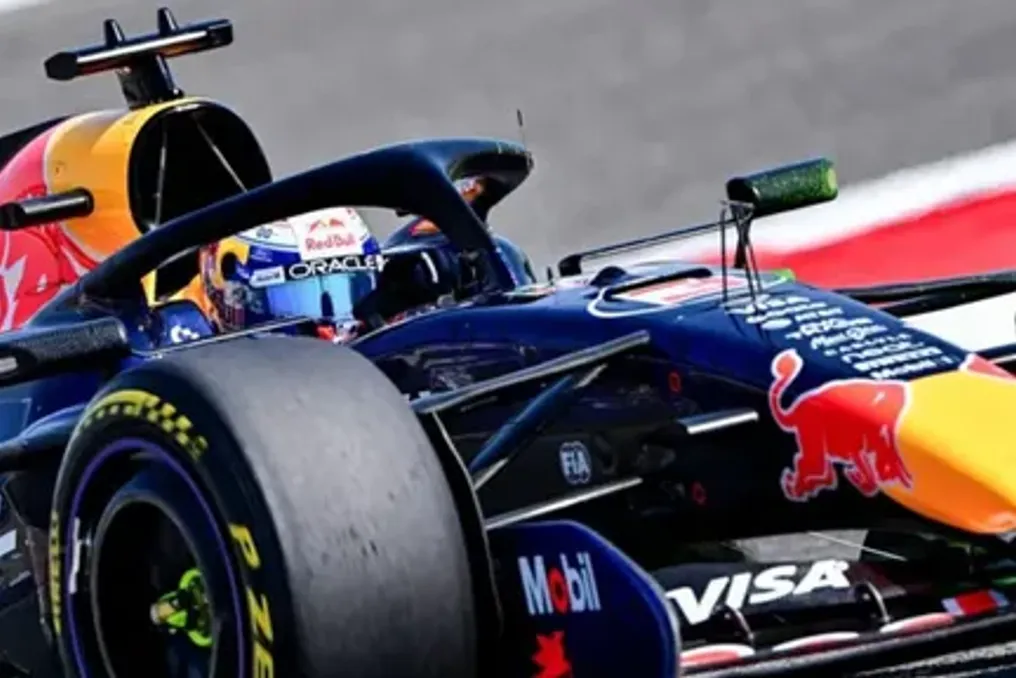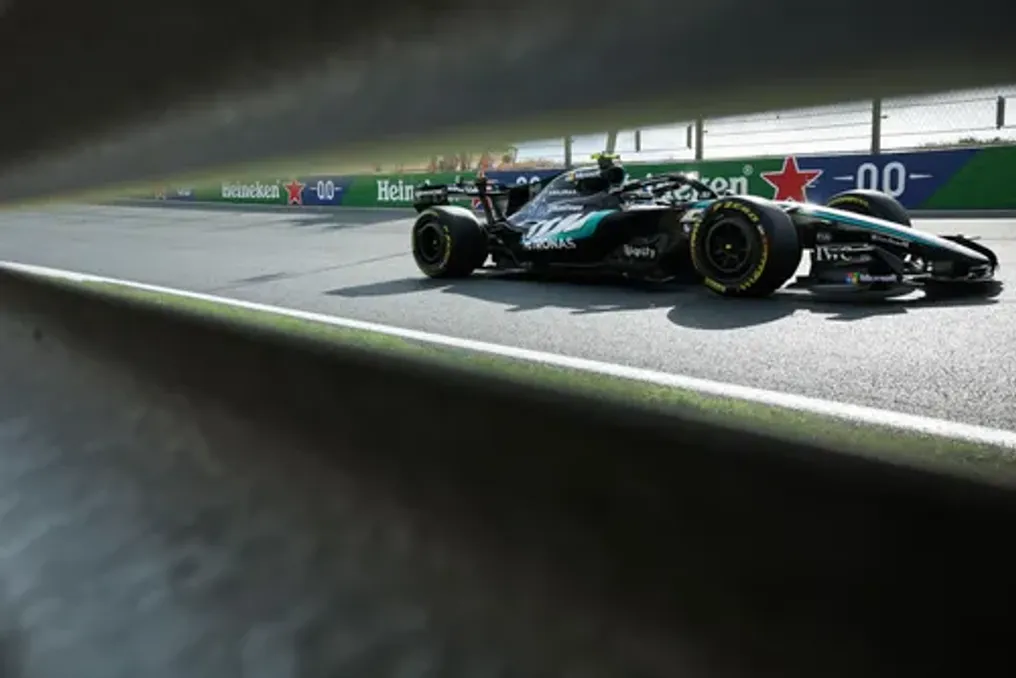
The prospect of hosting the Formula 1 Grand Prix in Rwanda has generated significant resonance both domestically and internationally. Some view this initiative as an example of 'sportswashing,' while others consider it an overly ambitious project. The Rwandan government presents this idea as substantial 'investments in Rwanda's future,' planned for the early 2030s.
On Tuesday in Kigali, a formal ceremony was held where a historic agreement was announced between Rwanda, the Formula 1 organizer, and the Fédération Internationale de l'Automobile (FIA). Rwanda, a landlocked country long associated with the horrific 1994 genocide, aims to leverage sports to improve its image, attract tourists, and demonstrate its organizational efficiency to investors.
The event promises to be glamorous, featuring celebrities enjoying champagne against the backdrop of Rwanda's lush hills and rich wildlife, broadcast to a global audience. Formula 1 positions itself as the third most-watched sporting tournament globally, surpassed only by the Olympic Games and the FIFA World Cup.
Nevertheless, the project has faced criticism from certain groups, including Amnesty International, which immediately condemned it as an act of sportswashing. This non-governmental organization accuses Kigali of 'buying the world's biggest sport to polish its image and distract from its terrible human rights record.' Similar allegations have previously been leveled against Formula 1 regarding partnerships with governments having questionable human rights histories, such as China and Azerbaijan.
Sports Diplomacy
Last year, Rwanda became the first African nation to successfully host a cycling World Championship. Furthermore, under the 'Visit Rwanda' campaign, Kigali sponsors several major European football clubs, including Paris Saint-Germain (PSG), as well as the Los Angeles Clippers from the NBA.
Although President Paul Kagame receives recognition for his strategic vision that has driven Rwanda's economic transformation over decades, he regularly faces accusations from opponents regarding the suppression of political dissent. Responding to this news, Kenneth Roth, former director of Human Rights Watch, noted 'Rwanda's invasion of the eastern Democratic Republic of Congo through its proxy M23.'
The M23 armed group, receiving financial and military support from Kigali, has forcibly occupied vast territories in the DRC. During the ceremony in Kigali, Kagame stated that it is an 'honor' for him to be chosen for Formula 1. He described it as an 'investment in Rwanda's future' that will bring 'jobs, skills, tourism, and new business to our country and region for decades to come.'
However, one foreign guest expressed concerns, telling AFP in English: 'I really hope Rwanda doesn't swallow what it cannot digest.' Formula 1 is a costly undertaking, and wealthier nations have already seen their ambitions turn into failure.
The Qatar Model
India and South Korea, which built tracks specifically for Formula 1 events, eventually withdrew from the project due to growing financial losses. European organizers, including representatives from France and more recently the Netherlands, have encountered similar difficulties.
Compared to Rwanda, despite its economic boom, it remains a low-income country with a GDP per capita barely exceeding $1,100. Rwanda ranks 159th out of 193 countries in the UN Human Development Index, although steady improvement is observed.
Critics question whether the hundreds of millions of dollars required to build a modern racing circuit would not be better spent on healthcare or education, not to mention the tens of millions of dollars that F1 organizers typically charge host countries for the right to hold the event.
A source close to the FIA reported that Qatar 'supports' the Rwandan project. This Gulf country is also building a new international airport in Bugesera, located 40 kilometers (25 miles) from Kigali—near the proposed location of the racetrack.
Jean-Guy Africa, CEO of the Rwanda Development Board, pointed to 'immense interest' from the private sector. He told AFP: 'You cannot miss out on the 100,000 people who will come. From a business perspective, you can benefit.'
While many Rwandans told AFP about their pride that their country will soon host the pinnacle of motorsport, entrepreneur Amon Niyigena from Kigali maintained a more pragmatic view. He stated: 'The economy of hosting Formula 1 in Rwanda will not suit everyone, but only a tiny percentage of wealthy people.'