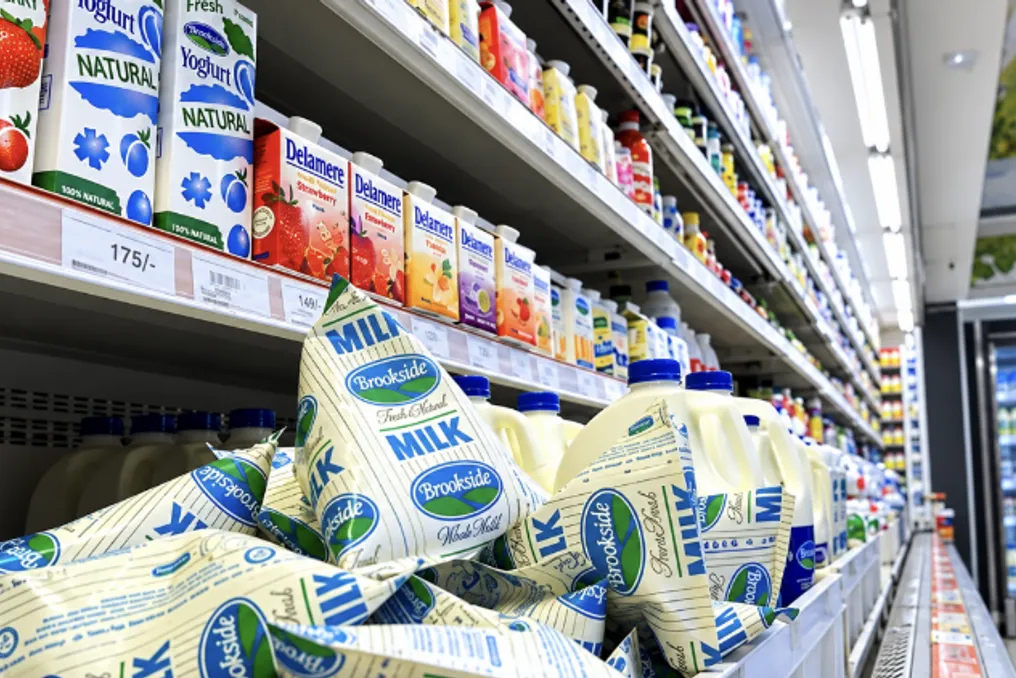
Prolonged dry conditions associated with the El Niño climate phenomenon have led to disruptions in fresh milk supplies in Kenya. This has resulted in empty supermarket shelves and rising retail prices as dairy farmers face increased production costs.
In the capital, Nairobi, consumers have experienced periodic shortages of fresh milk in recent weeks, and stores have struggled to maintain stable stocks amid growing demand. Milk is a staple food in many Kenyan households, and the shortage has forced buyers to seek desired brands across different retail outlets.
A resident of Nairobi noted that finding fresh milk has become significantly harder, and some popular brands have disappeared from supermarket shelves. Retailers report that supplies often sell out within a few hours; one supermarket manager stated that fresh milk arriving in the morning frequently runs out between 9 AM and 11 AM due to high demand.
The shortage has also caused an increase in retail prices, putting additional pressure on family budgets which are already strained by the rising cost of living.
According to the Kenya Dairy Board, formal sector processors collected at least 81 million liters of raw milk in July, which is 5.8% less than in the same period last year. Victor Kipruto, a dairy farm manager, characterized the situation as one of the most challenging periods for the industry, noting a 3.7% decrease in milk production. He warned that reduced profits may force producers to pass on additional costs to consumers, further increasing the cost of living.
Nora Makena, the farm's technical supervisor, reported a sharp increase in animal feed costs, which accounted for about 70% of production costs compared to 55% last year. This increase has forced some farmers to reduce the amount of feed provided to livestock, negatively affecting both milk yields and the general condition of the animals.
Agricultural officials indicate that the dry conditions preceding the El Niño rains contributed to reduced pasture availability and decreased milk supplies to processors.
The Kenya Meteorological Department forecasts that approximately 80% of the country may receive adequate rainfall between October and December under the influence of El Niño. These expected rains could help restore pastures, improve feed availability, and gradually recover milk production.
However, agricultural experts caution that recovery will not be immediate, as farmers will require time to replenish feed stocks and increase livestock productivity before milk supplies return to normal. Meanwhile, the Kenyan government is preparing measures to stabilize the dairy industry, including distributing animal feed, strengthening market monitoring, and improving cold chain infrastructure to minimize milk losses. Authorities are also planning to promote alternative milk sources, such as camel, goat, and buffalo milk, as part of efforts to diversify production and reduce the industry's dependence on livestock.
For consumers, relief will depend on how quickly the improvement in weather conditions translates into increased milk production and more reliable supplies in retail outlets.