Healthy Living Alliance (HEALA) has strongly urged the government to prioritize public health over commercial interests. This should be achieved by expediting the approval of warning labels on food packaging and strengthening the Health Promotion Levy on sugary drinks. These demands come as Finance Minister Enoch Godongwana prepares to present the Medium-Term Budget Policy for 2026 on October 21.
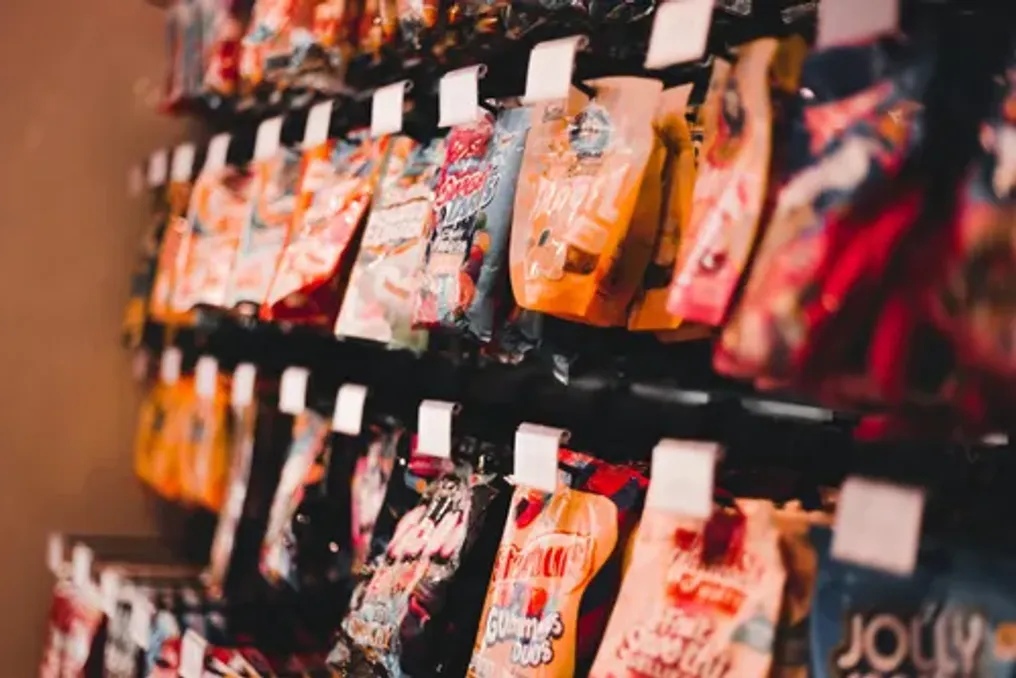
HEALA reported on Wednesday that Regulation R3337, which was first published as a draft in April 2023, must be approved by December 10, 2026. The draft regulations stipulate the mandatory placement of warning signs on processed or pre-packaged foods containing high levels of sugar, sodium, or saturated fats, as well as those containing artificial sweeteners. Studies indicate that approximately 80% of packaged products on South African shelves will require such warnings. Furthermore, the regulation includes restrictions on advertising unhealthy food to children and stricter rules regarding health and nutritional claims.
The essence and implications of the regulation
HEALA argues that these labels will simplify the process for consumers to quickly identify unhealthy products, rather than having to decipher complex nutritional information on the back of the package. It may also incentivize manufacturers to reformulate products towards healthier standards. The Alliance also insists on increasing the Health Promotion Levy (HPL) to 20% of the retail price, aligning with World Health Organization recommendations. It views the tax and labeling as complementary tools: labeling provides clear information to consumers, while the tax uses fiscal policy to reduce excessive consumption of sugary drinks.
Nzama Mbalati, CEO of HEALA, stated: 'Public health is different from commercial health. The government is responsible for protecting public interests, including regulating influential commercial sectors. Industry participation in policy development is legitimate, but it must not become a mechanism through which vital health protection is indefinitely postponed.'
HEALA expressed concern over the protracted process surrounding Regulation R3337, including discussions in the National Economic Development and Labour Council (Nedlac). While interaction between government, business, labour, and civil society can reveal practical difficulties, the organization cautioned that consultations should not be endless and called for greater transparency.
The cost of unhealthy advertising to health and economy
The Alliance directly linked the country's health issues to economic strain. Preventable diet-related non-communicable diseases, such as obesity, diabetes, hypertension, and cardiovascular diseases, place a burden on families, labour productivity, and the public health system. The Department of Health reported that over 44 million screenings for high blood pressure and elevated blood glucose were conducted in 2024/25. Obesity already costs South Africa approximately 33 billion rand annually (about 15% of public health expenditure), and Type 2 diabetes alone is projected to cost 35.1 billion rand by 2030.
A recent modelling study published in BMJ Public Health shows that raising the HPL to 20% could prevent around 619,000 new cases of Type 2 diabetes, 285,000 prevalent cases, and 26,000 deaths over 20 years, while saving 23.9 billion rand in healthcare costs compared to maintaining the current rate. The same analysis showed that keeping the tax below the 20% threshold already cost public finances about 15.1 billion rand in lost revenue between 2018/19 and 2023/24.
Mbalati emphasized: 'Every rand spent treating preventable diseases is a rand that could support stronger health systems, education, infrastructure, and social development. Prevention is financially responsible. Health is not separate from the economy: healthy people are more productive, healthier children are better prepared for learning, and healthier households cope better with economic shocks.'
HEALA referenced Section 27 of the Constitution, which recognizes the right to access healthcare, adequate food, and water, and requires the state to take reasonable measures for the progressive realisation of these rights. The organization stated that finalizing clear food labelling rules and strengthening preventive measures are crucial steps toward a healthier food environment and a more sustainable financial position. The Alliance called on the National Treasury and the Department of Health to demonstrate tangible progress on Regulation R3337 and keep the Health Promotion Levy at the forefront of public health as the December deadline approaches.