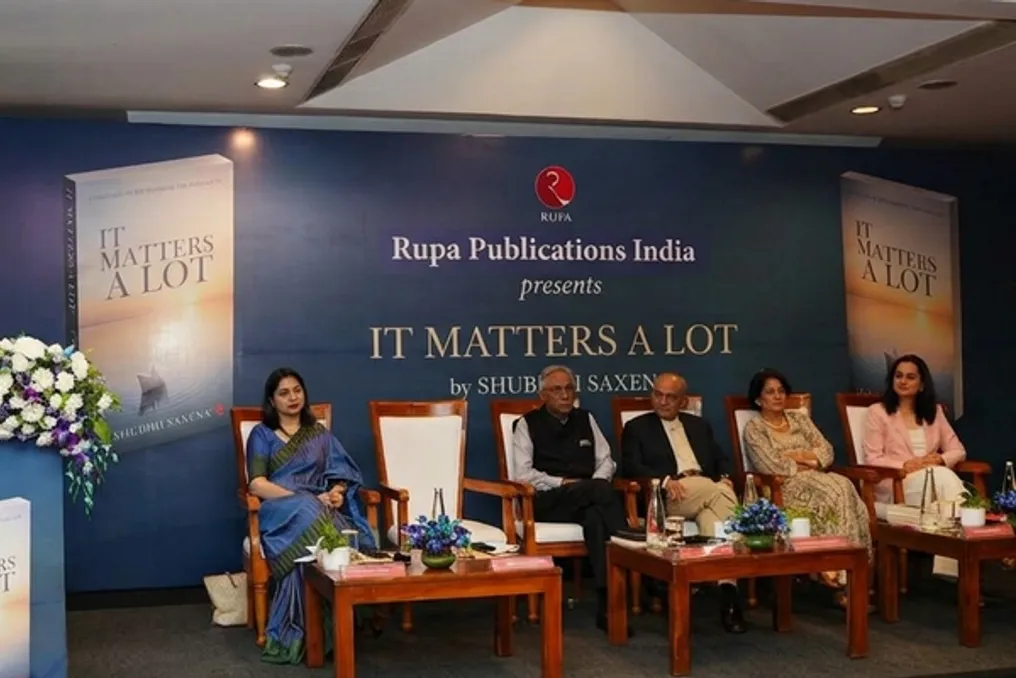
At the book launch event for 'It Matters A Lot' by author and bureaucrat Shubhra Saxena, held on October 16, 2026, at the Indian Centre of Residence in New Delhi, the book was presented, published by Rupa Publications. The book includes a preface by the Dalai Lama and explores themes of self-awareness, conscious choice, and what gives life meaning.
The event gathered prominent figures from literature, diplomacy, academia, healthcare, and public service, including Gurcharan Das, Pawan K. Vermu, Professor Kusum Latu Kediya, Abha Sharma, and Dr. Shweta Mathur Lall. Discussions at this meeting reflected the book's call to pause and re-examine one's beliefs, relationships, and aspirations.
In an era where success is often measured by professional achievements and public recognition, 'It Matters A Lot' questions whether we are living in accordance with our own values or following the expectations of others.
Examining various stages of life—from childhood to old age—the book analyzes how upbringing, relationships, social conditioning, and life experience shape our perception of the world.
Saxena does not offer a ready-made formula for happiness; instead, she encourages readers to question their assumptions and find what gives their lives value.
The first lesson is that while achievements such as career growth, financial stability, recognition, and status define success in the eyes of society, they do not guarantee satisfaction. The book urges readers to examine whether their ambitions align with their true desires or if they are dictated by the expectations of family, peers, and society.
In striving for conventional milestones, we can act automatically if we rarely consider the reasons behind these desires. The lesson is to form a personal understanding of success, focusing on what brings a sense of purpose, fulfillment, and peace, rather than comparing one's life to the achievements of others.
The formation of our self-understanding begins long before we can consciously evaluate our beliefs. Childhood experiences, family bonds, parental expectations, and social norms influence how we interact with people, cope with difficulties, and assess our own worth.
These influences can persist throughout adult life, sometimes shaping our decisions without us realizing it. Saxena's exploration of different life stages invites readers to look at these formative experiences and consider their ongoing impact. Recognizing the origins of our beliefs does not mean blaming the past; it means understanding which patterns serve us and which need to change.
Self-awareness begins when we learn to distinguish what we have inherited from what we consciously choose to believe. Life constantly presents us with countless decisions driven by social expectations—from education and career to relationships and family duties. It is difficult to separate our own preferences from the pressure to conform to the standards of others.
The book motivates readers to ask whether their choices reflect their personal values or a desire for approval. Conscious living does not require rejecting all expectations or ignoring others; it means understanding the reasons for our decisions and taking responsibility for their consequences. Even small moments of reflection help approach life with greater intention and independence before pursuing a goal or making an important decision.
Self-understanding extends beyond personal growth and can transform our interpersonal relationships. When we become more aware of our own insecurities, emotional reactions, and assumptions, it becomes easier for us to recognize that other people also face their own challenges, experiences, and viewpoints. Such awareness fosters more thoughtful communication and reduces unnecessary conflict.
'It Matters A Lot' connects conscious living with empathy, compassion, and responsibility towards others. The broader message of the book is that a fulfilling life is measured not only by individual successes but also by the quality of our relationships and the care we give to those around us. Understanding oneself can be the starting point for understanding others.
Life rarely unfolds strictly according to plan. Ambitions change, relationships evolve, opportunities disappear, and loss becomes part of the human experience. As people move through adulthood, middle age, and old age, their priorities may shift with circumstances. The book urges readers to reflect on these transitions rather than clinging to outdated definitions of happiness or success.
Acceptance does not mean giving up on personal development; it means acknowledging that some circumstances are beyond our control and having the ability to respond to them with greater clarity. As life changes, things that once seemed essential may lose their importance, while relationships, inner peace, compassion, and a sense of meaning gain significance. Conscious living requires constantly asking what matters to us now, instead of assuming yesterday's priorities should dictate tomorrow's.
Modern lifestyles leave little room for reflection, as work, digital distractions, and the pressure to achieve more often overshadow questions of meaning and self-realization. Saxena's book prompts readers to analyze their habits, assumptions, and priorities. Rather than offering quick fixes, it uses questions at the end of each chapter to help readers find ideas that resonate with their own experiences and values.
Furthermore, the book links self-awareness with empathy and responsibility towards others, demonstrating how personal introspection can influence our relationships, communities, and way of life. In 'It Matters A Lot', Shubhra Saxena explores issues of identity, ambition, belief, and what makes life meaningful. With a preface by His Holiness the Dalai Lama and publication by Rupa Publications, the book calls on readers to contemplate their choices, cultivate self-awareness, and practice compassion at different stages of life. At its core, the book reminds us that living well means looking beyond achievements to understand our purpose, valuing relationships, and focusing on what truly matters.