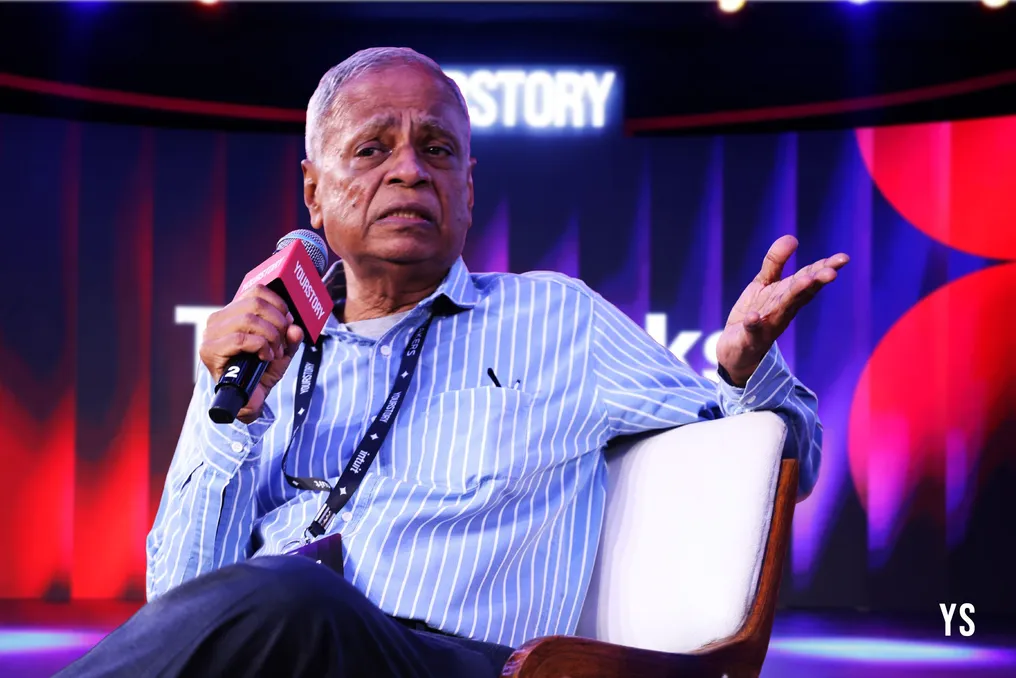
Various trends in India's development were highlighted at TechSparks 2026, as covered by YourStory. Rohit Kapoor, CEO of Swiggy's Food Marketplace, noted that the service's future growth depends on attracting the nearly 90% of Indians who have not yet used food delivery services, despite continued orders from existing users.
Mohit Bhatnagar, Managing Director of Peak XV, emphasized that the success of companies like Zomato and the growing acceptance of startups in India's public markets have fundamentally changed the perceptions of founders and investors regarding what is achievable. According to him, Indian startup founders are increasingly aiming to build companies worth $50 billion or even $100 billion, which prompts venture capital funds, including Peak XV Partners, to make riskier decisions.
Concurrently, the primary issue in India's education—affecting 247 million students—is structural rather than quantitative, as the traditional education system remains tied to 19th-century methods while society enters an age of intelligence.
Educational Reforms and Technological Self-Sufficiency
Leaders from Sri Chaitanya Group and Intel at TechSparks 2026 stressed the need to cease the outdated practice of viewing technology as an isolated subject. Instead, learning should integrate technical tools directly into the daily process of knowledge acquisition to align with modern workplaces where technology and work merge.
Furthermore, Professor Ashok Jundhunjwala, a Padma Shri awardee, stated that although India possesses highly skilled engineering talent, there remains a strong dependence on the import of physical products. The reason for this is the prioritization of theoretical education over practical creation.
To achieve complete technological independence, he called for supporting young entrepreneurs willing to take risks, especially from second, third, and fourth-tier cities, and reforming overloaded university curricula to stimulate practical creativity and continuous learning.
In the business sector, IT company Wipro reported on Thursday a slight decrease in consolidated net profit by 1.40%, amounting to ₹3,200.6 crore for the quarter from July to September of fiscal year 27. The Bengaluru-headquartered company previously reported a net profit (attributable to owners) of ₹3,246.2 crore for the same period last year.
Food Pharmer's Transition to Startups
At TechSparks 2026, Revant Himatsinga, known as Food Pharmer, discussed his shift from being a principled healthcare activist to the founder of Only What’s Needed (OWN). After facing serious legal and commercial opposition for exposing misleading claims by major FMCG brands, Himatsinga launched OWN to offer truly transparent alternatives in food products.