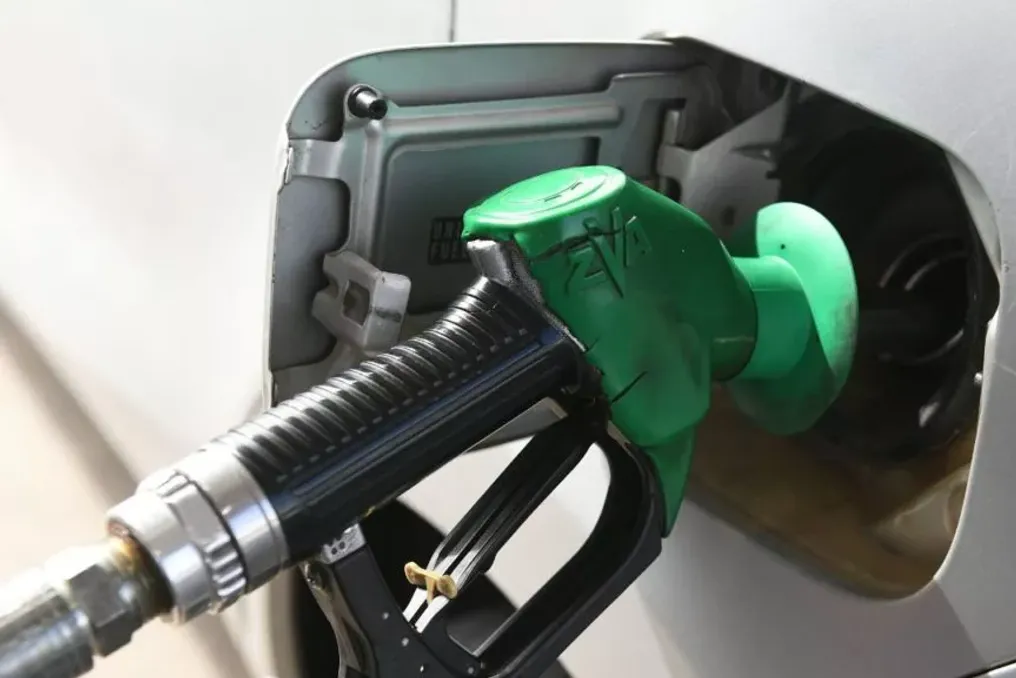
A nationwide strike is proposed for Monday, October 19th, as South African citizens face rising fuel costs. Organizers are calling on the government to reduce fuel levies and ease the financial burden on motorists and households.
The organization Concerned Citizens of South Africa has taken responsibility for distributing a poster on social media urging workers to stay home and students not to attend school during the planned actions. The main focus is on the cost of petrol and demands for reductions in taxes and levies included in the pump price.
The proposed strike comes amid a series of protest calls and demonstrations across the country, following a separate national mobilization announced by March and March that took place on September 30th.
As previously reported by Cape Town Etc, the price of petrol reached 30.25 rand per liter in October after a sharp rise in recent months. Previously, the government temporarily reduced the General Fuel Levy (GFL) by 3 rand per liter at the beginning of 2026, after which it gradually reinstated it in June and July.
BusinessTech reported that Ntokozo Mkhize, a representative of Concerned Citizens of South Africa, confirmed the origin of the poster in an interview with CapeTalk, stating that the organization supports the message. Mkhize emphasized: 'The poster that the people of South Africa have seen on various social media platforms originates from Concerned Citizens of South Africa.' He added: 'We take full responsibility for this poster; it is from us.'
Mkhize described the organization as a grassroots movement unaffiliated with any political party and noted that the proposed action aims to reflect public concern over fuel prices. The poster calls for a 'full nationwide strike' on October 19th, demanding that employees do not go to work and students do not attend educational institutions. However, people should verify information with relevant authorities, employers, and schools before making decisions for that day.
The campaign calls for a reduction in taxes and levies that constitute the retail price of petrol and diesel. The two main cost components are the General Fuel Levy and the Road Accident Fund (RAF) levy. Figures cited in the report show that the GFL is 4.10 rand per liter, and the RAF levy is 2.25 rand per liter, totaling 6.35 rand per liter of fuel. These levies serve different functions: the GFL goes into government revenue, while the RAF levy helps fund compensation for road accident victims and their dependents. Therefore, their reduction or abolition will have consequences beyond the immediate pump price.
South Africa has already implemented temporary relief on fuel levies this year. The GFL was reduced by 3 rand per liter in April and May, after which this relief was phased out by increasing it by 1.50 rand in June and July.
Concerned Citizens of South Africa is not alone in demanding changes to fuel levies. The Automobile Association (AA) also advocates for a significant reduction in the GFL and the abolition of the RAF levy. The AA acknowledged that the previous reduction of 3 rand per liter cost the government approximately 17 billion rand in revenue, but stated that temporary relief should have been accompanied by a long-term plan. The association argues: 'We insist that the government can afford to reduce the general fuel levy by 3 rand per liter, which would significantly lessen the inflationary impact of fuel price changes.'
The planned strike is scheduled for next week, October 19th. Residents of Cape Town should monitor further announcements regarding local participation and potential impacts on public transport, schools, and workplaces. Until agreements are confirmed by relevant organizations, the poster should be viewed as a call to planned action, not as confirmation of service disruption. The central demand is that the government reduce fuel levies as petrol prices rise. It remains unclear whether the proposed strike will gain widespread support or lead to any political response.