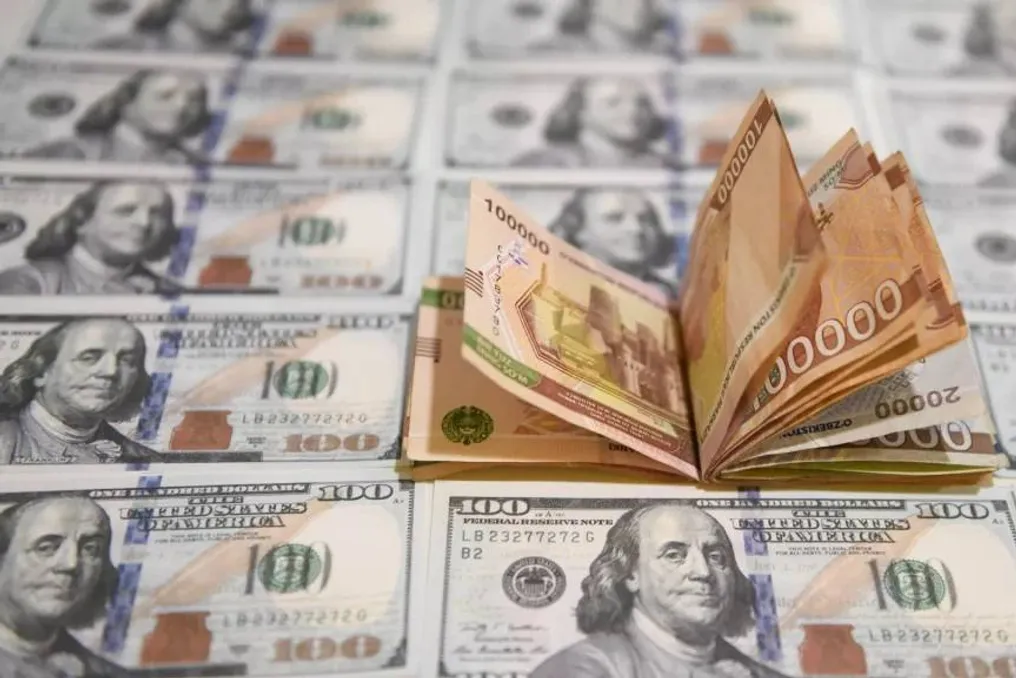
Asian Development Bank provides Uzbekistan with $200 million loan for power grid modernization
Read more
UzDaily
uzdaily.uz

Asian Development Bank provides Uzbekistan with $200 million loan for power grid modernization

The Asian Development Bank (ADB) and Uzbekistan have signed a loan agreement worth 200 million US dollars to upgrade the country's electricity distribution systems. These funds will be used to improve infrastructure, reduce power losses, and increase the reliability of energy supply amid growing demand.

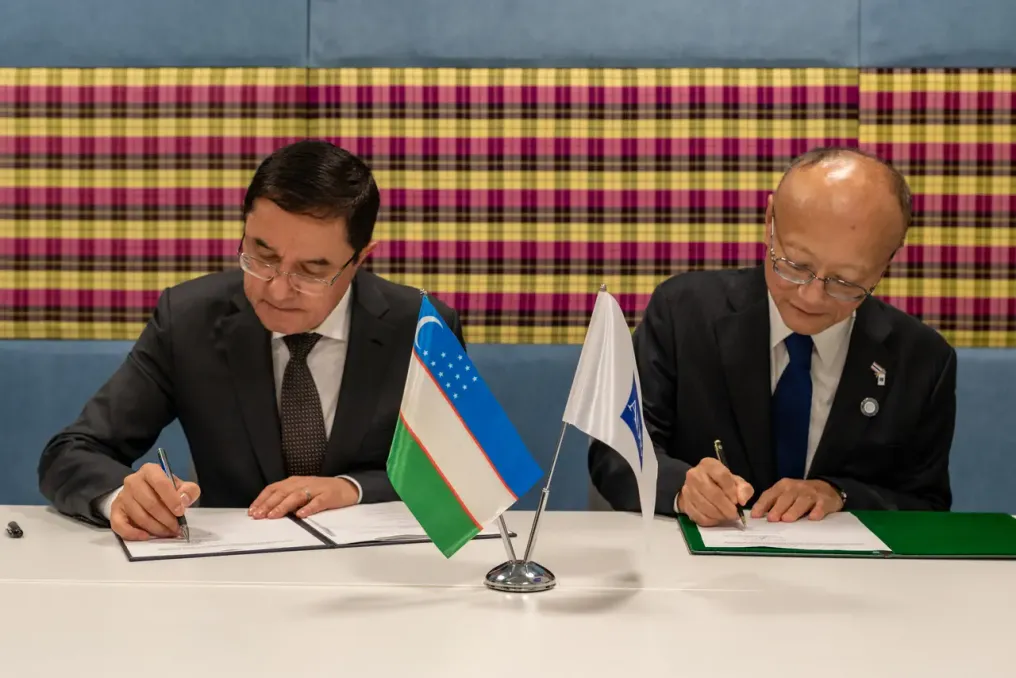
The agreement was signed in Bangkok on October 15 between ADB President Masato Kanda and Deputy Prime Minister and Minister of Economy and Finance of Uzbekistan, Jamshid Kuchkarov.

Modernization Program Details

The program includes the modernization of 60 key distribution substations across the country, as well as the implementation of digital management systems. These infrastructure improvements are expected to help reduce power losses, decrease transformer overload, and enhance the stability of energy supply to households, businesses, and state institutions.

According to ADB data, this program will also create conditions for connecting at least 3.3 GW of new renewable energy capacity. It is projected that greenhouse gas emissions will decrease by nearly 23,000 tons of carbon dioxide equivalent annually.

The need for modernization is driven by economic growth, urbanization, and increased electricity consumption. Outdated equipment and overloaded networks hinder reliable energy supply and the connection of new RES facilities.

Strengthening Operational Capabilities

In addition to equipment replacement, the program will strengthen the operational capabilities of the National Electric Grid of Uzbekistan JSC, improve financial control and management, and enhance personnel qualifications. Special attention will be paid to staff training and increasing the participation of women in the energy sector.

This project marks the first ADB initiative in Uzbekistan's energy sector implemented under the ADB-World Bank Framework of Mutual Trust (FMRF). It will also be the first results-based financing program in the country's energy sector.

ADB is the lead lender for the project. Later in October, the World Bank plans to present a proposal for additional financing of 100 million US dollars to the Executive Directors Board.

The new program continues ADB's long-standing support for Uzbekistan's energy sector. Since 2010, the bank has provided the country with over $3.4 billion in financing and guarantees for this sector.

The project aligns with Uzbekistan's strategy until 2030 for developing renewable energy and improving energy efficiency, as well as ADB's partnership strategy with Uzbekistan for the period 2024–2028.
Similar stories

Uzbekistan and Asian Development Bank discussed the development of semiconductors and artificial intelligence
Read more
uzdaily.uz

Uzbekistan and Asian Development Bank discussed the development of semiconductors and artificial intelligence

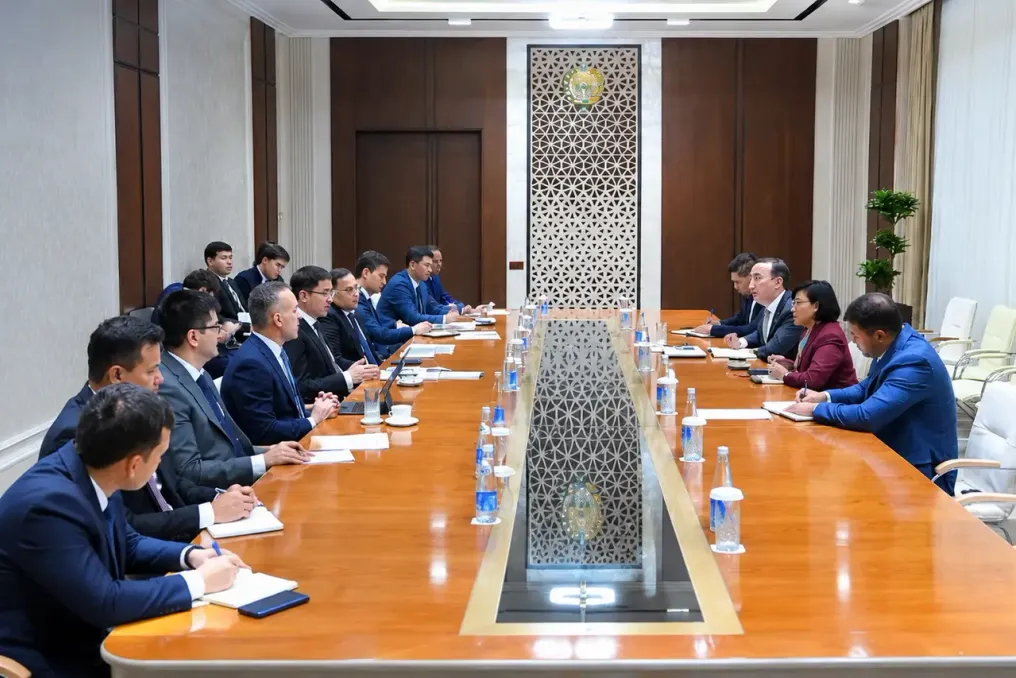
The Deputy Prime Minister and Minister of Economy and Finance of Uzbekistan, Jamshid Kuchkarov, met with the Director of the Asian Development Bank (ADB) for Uzbekistan, Kanokpan Lao-Araya, on October 6 in Tashkent.

Participants in this meeting included the ADB Country Operations Head, Mirzo Iskandar Gulyamov, the bank's Senior Economist Sherzod Akбаров, and other representatives from both sides.

The participants focused on expanding cooperation, implementing current joint projects, and preparing new initiatives.

A separate area of discussion was the development of microelectronics and the semiconductor industry. The parties reviewed opportunities to strengthen Uzbekistan's innovative potential and attract international experience and technical assistance for the development of these fields.

Furthermore, the participants discussed the implementation of artificial intelligence technologies in economic processes and accelerating digital transformation. Infrastructure and socio-economic projects implemented through public-private partnerships were also on the agenda.

The possibilities of increasing private sector participation in such endeavors were examined. At the end of the meeting, Uzbekistan and the ADB reaffirmed their intention to continue practical interaction and joint work on new projects aimed at the country's economic and technological development.

Uzbekistan and JICA signed a partnership program for the period 2026–2030
Read more
uzdaily.uz

Uzbekistan and JICA signed a partnership program for the period 2026–2030

The Minister of Investment, Industry and Trade of Uzbekistan, Laziz Kudratov, met with Katsura Miyazaki, Senior Vice President of the Japan International Cooperation Agency (JICA), on October 5.

During the meeting, the parties reviewed the current state and prospects of bilateral cooperation, as well as discussed the implementation of existing joint projects and the preparation of new initiatives.

Particular attention was paid to the development of free economic zones (FEZs). The participants highly appreciated JICA's technical assistance in developing master plans for FEZs and creating conditions for attracting foreign investment, including investments from Japanese companies.

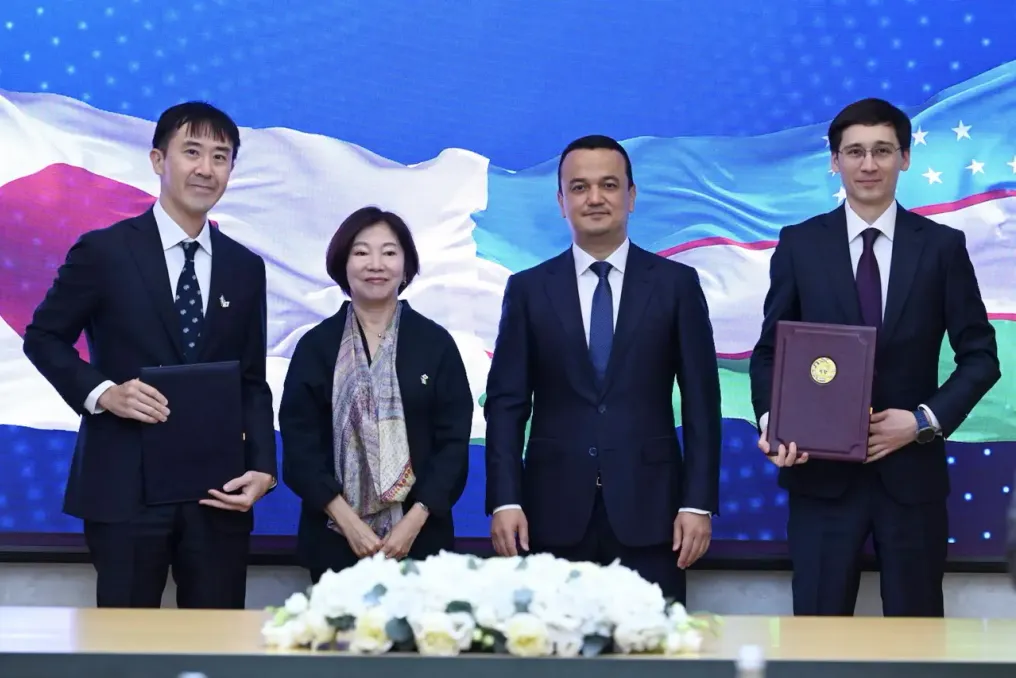
Following the negotiations, the parties signed a new Partnership Program for the period from 2026 to 2030. This document provides for the implementation of fifteen promising projects covering transport and energy infrastructure, human capital development, healthcare, and agriculture.

Uzbekistan's external debt for the first half of 2026 exceeded $84 billion
Read more
podrobno.uz

Uzbekistan's external debt for the first half of 2026 exceeded $84 billion

According to the Central Bank, Uzbekistan's total external debt as of the end of the first half of 2026 reached $84.1 billion. Over the past year, this indicator showed an increase of $11.9 billion, which is an increase of 16.5%.

At the beginning of July, the state external debt amounted to $41.7 billion, while corporate debt was estimated at $42.4 billion. Compared to the previous year, the total debt level was at $72.2 billion. During this period, state debt increased by $4.9 billion, and corporate debt increased by $7 billion.

The Central Bank specified that the corporate external debt includes loans from the private sector that do not have state guarantees. In this case, the state is not responsible for such obligations; payments are made by the enterprises and banks themselves.

The regulator also refers to the International Monetary Fund's assessment, which notes that Uzbekistan's debt burden remains low, and most of the attracted funds were obtained on favorable, preferential terms.

It was previously reported that at the end of the second quarter of 2026, Uzbekistan's state debt reached $48.3 billion. Of this amount, $40.7 billion was due to external obligations, and the remaining $7.6 billion was domestic.

Popular