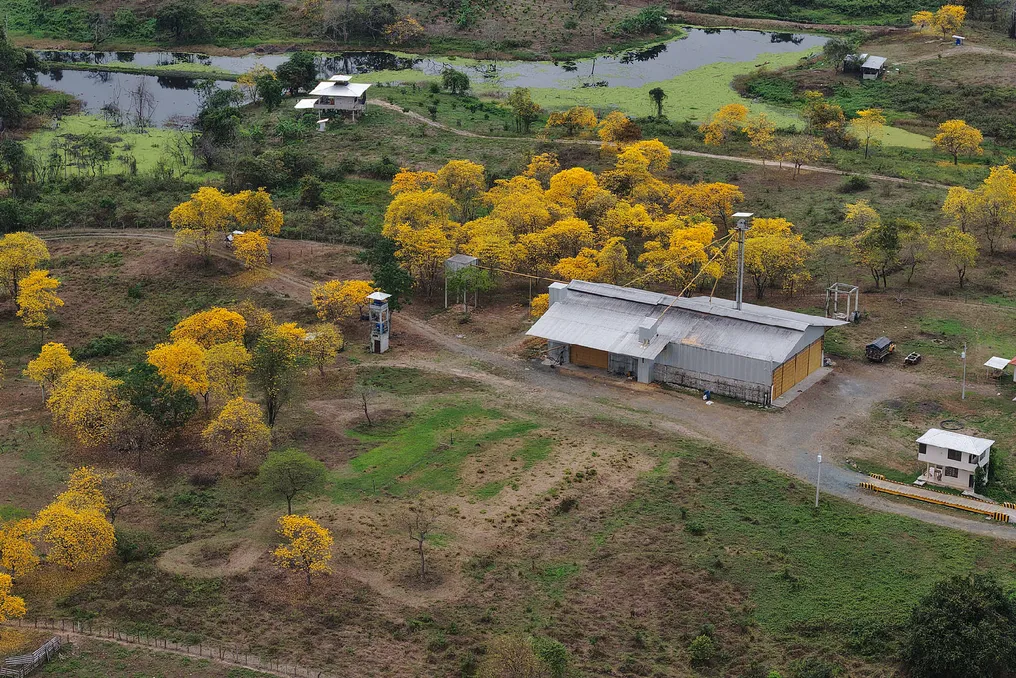
Ecuador strengthens power system ahead of peak El Niño months
Read more
CGTN
cgtn.com

Ecuador strengthens power system ahead of peak El Niño months

President Daniel Noboa stated on Wednesday that Ecuador plans to reinforce its electrical system to ensure uninterrupted service during the critical months of the El Niño weather phenomenon. This phenomenon is forecast from late November to February.

Noboa informed Radio Centro in the central city of Ambato that the country is facing very harsh weather conditions, especially along the coast, although highland areas have also been affected.

According to the president, adverse weather conditions have led to an increase in power outages: the number of incidents has risen from approximately twenty per day in a normal year to 60–70 currently.

The government has taken measures to strengthen system capacities by granting permits and providing support to the private sector, which has allowed for the addition of over 400 megawatts of generating capacity.

This announcement comes against the backdrop of the dry season in Ecuador, characterized by insufficient rainfall in the southern part of the country where reservoirs feeding the Pauta Hydroelectric Complex of the National Interconnected System are located.

This complex is the country's largest hydroelectric system and supplies about 35% of the total electricity demand in the country. Currently, large Ecuadorian enterprises are forced to face power outages of up to 72 hours per week due to the dry season, which is a measure aimed at reducing consumption and lessening the load on the national electrical grid.

In 2024, the country experienced an unprecedented energy crisis, with power outages lasting up to 14 hours daily and affecting households, businesses, and industry. Previously, Ecuador was subjected to extreme weather conditions due to El Niño during the periods of 1982–1983 and 1997–1998, including heavy rains and floods, particularly in the coastal region.
Similar stories

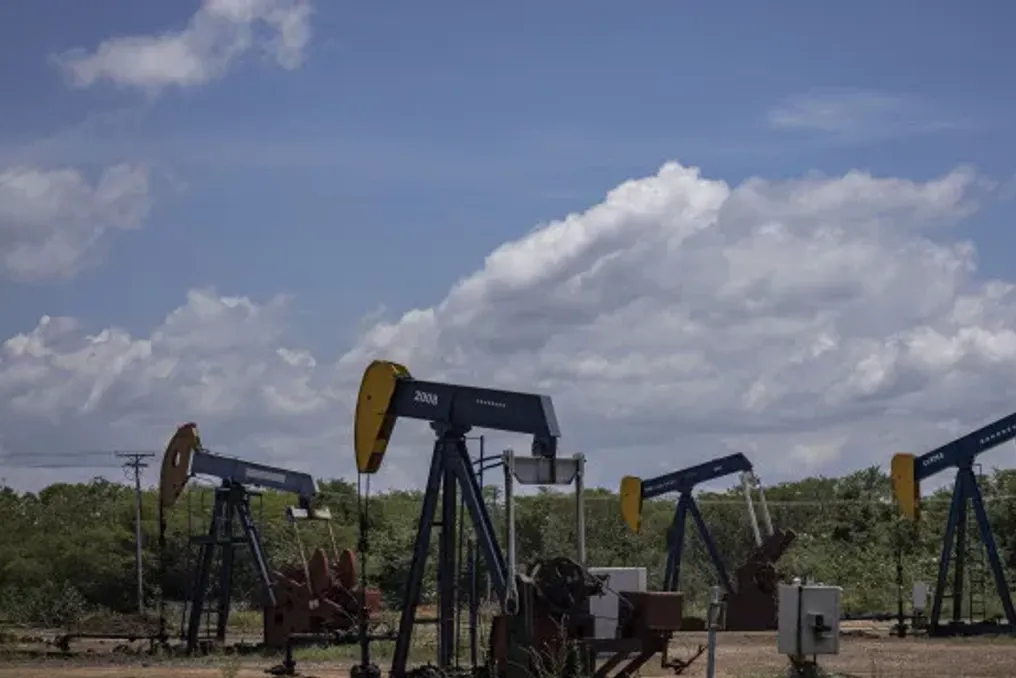
New Venezuela receives oil equipment as part of agreement with Washington
Read more
noticiasaominuto.com

New Venezuela receives oil equipment as part of agreement with Washington

New equipment has been introduced into Venezuela's oil sector, according to an announcement by Nabep on Tuesday. This company was selected to manage the agreement under which Washington will supervise 20% of the country's significant oil reserves.

According to a pact established at the end of August between Washington and Caracas, North American Blue Energy Partners (Nabep), the second largest private oil company in Venezuela, will be responsible for managing one-hundred-year concessions in seventeen oil fields, which have estimated reserves of sixty-five billion barrels of oil, according to the White House.

Donald Trump, the President of the United States, expressed his appreciation for what he classified as the 'biggest oil deal in world history.' Nabep grants Washington the prerogative to acquire, at production cost, twenty percent of the output, in addition to granting a thirty-five percent stake in the parent company to a US Department of Defense agency.

Among the new equipment that arrived last week are two drilling platforms, along with eleven new well intervention probes for oil wells. The company stated that this is 'the first time in over fifteen years that new mobile repair and maintenance systems will be used in Venezuelan oil fields.'

Alejandro Betancourt, executive general director, declared that 'every oil platform arriving in Venezuela brings us closer to our production goals and the recovery of our country's economy.' He is currently facing lawsuits in Spain and Switzerland related to money laundering.

In June, Venezuela had only two operational drilling platforms, according to the American company Baker Hughes, a number much lower than the more than one hundred that existed two decades ago. The oil industry has suffered an effective collapse since then, driven by lack of investment, corruption, and sanctions imposed by the United States.

After the detention of President Nicolás Maduro by the United States in January, production increased, reaching approximately 1.2 million barrels per day, compared to three million recorded at the end of the 20th century. The state company Petróleos de Venezuela (PDVSA) set a goal of 1.5 million barrels per day for 2027.

Betancourt emphasized that despite the great challenge ahead, 'there is no better partner than the Government of the United States.'

Popular