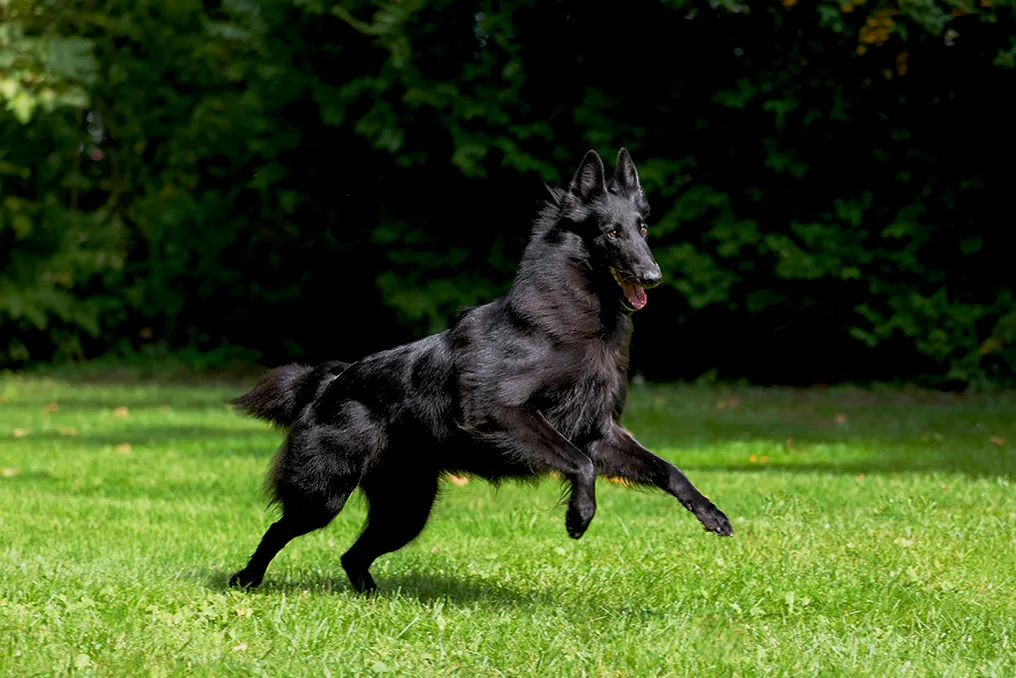
In mammals, larger animals generally have a longer life expectancy; however, in the case of dogs, this rule is reversed. Some large breeds, such as Labrador, Golden Retriever, German Shepherd, and Rottweiler, often live ten years or less, while smaller breeds can reach up to 16 years old.
All these factors are intrinsically linked to genetics. A new study, published in the journal Science last week, suggests that researchers identified specific genomic alterations responsible for accelerated aging, pointing to so-called 'jumping genes' as possible culprits.
These jumping genes are also known as transposons, which are structures composed of DNA sequences capable of migrating from one point to another within a genome. It is important to remember that the genome is a vast chain of nucleotides that, when combined, form specific sequences, nucleic acids, such as DNA and RNA.
Transposons constitute a considerable part of an organism's genetic material. In humans, they account for about 50% of the genome, while in dogs, they amount to 31%.
Under controlled conditions, the movement of these genes is considered a natural process. The problem arises when these jumps occur excessively and uncontrollably. In such cases, transposons can induce mutations and cause problems in the organism because they frequently migrate to areas of the DNA that already contain functional genes, meaning vital information for the body.
The researchers investigated the correlation between breed and canine aging by identifying these mutations. To do this, they employed a technique called methylation, which analyzes chemical markers called methyl groups. These act as a biological switch, regulating various functions and turning genes on or off.
In this context, the ability of methyl groups to measure the actual aging of an organism is particularly relevant. While chronological age refers to the time lived, biological age reflects the condition of cells and tissues. Based on this, scientists created a type of molecular 'clock,' establishing relationships between methylation and chronological age, which allowed them to predict a dog's age.
By analyzing the DNA of 894 dogs, the researchers noticed that large breeds tended to lose this methylation more rapidly over the years compared to small breeds. Additionally, dogs whose genetic age exceeded their chronological age showed a high risk of dying in the subsequent two years.
Although these methylation patterns are associated with longevity, it is not yet known whether they directly cause aging or merely intensify the activity of jumping genes. The authors of the article hope that this data will serve as a starting point for a deeper understanding of the link between methylation and aging in dogs.