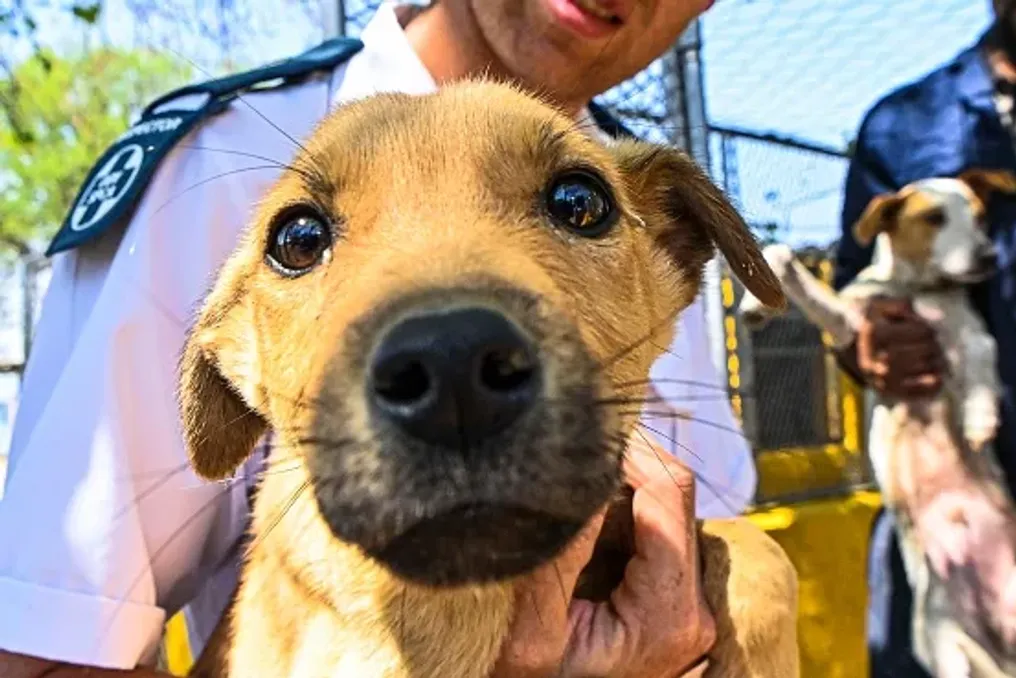
The Cape of Good Hope SPCA reports an increase in the number of animals being surrendered by owners as financial strain makes it difficult to afford food, housing, and veterinary treatment for pets.
In the 2025/26 financial year, the organization registered a 43.7% increase in surrendered animals compared to the previous year. The total number of stray, surrendered, and seized animals under their care also rose by 12.3%, reaching 27,181 animals.
Demand for affordable veterinary care has sharply increased: visits to the SPCA Veterinary Hospital grew from 35,332 to 53,686, representing a 51.9% increase. These figures highlight the growing burden on animal welfare services as households struggle to provide proper care for their pets.
Additional Information
Katya Mobitz from the Happy Tails Langa animal welfare initiative noted that she is observing more residents seeking help regarding dog food, housing, and veterinary expenses. She stated that many families could not afford even basic necessities, leading some dogs to subsist on porridge, scraps, and leftovers.
Mobitz also described instances where owners took animals home without treatment after realizing the high cost of a vet consultation. Although community workers tried to help where possible, the situation left many owners with few options when their animals fell ill.
The main problem, she explained, was the need to balance the accessibility of veterinary care with the costs associated with providing these services.
The rise in animals entering SPCA facilities prompted the Cape of Good Hope SPCA to call for preventative measures rather than relying solely on its capacity to take in surrendered and stray animals.
SPCA CEO Mkabuko Moyo Ndukvana stated: "When 27,181 animals arrive at your door, and the demand for affordable veterinary care has increased by over 50% in a year, simply getting better at taking in animals cannot be the solution." He emphasized that the organization must address the conditions that lead to animal suffering before intervention is needed for a larger number of animals.
A key part of this approach is sterilization. Preventing unwanted litters can help reduce animal overpopulation and limit the number of puppies ending up without proper care or homes.
Last month, the SPCA launched a specialized transport vehicle for moving animals to Elsies River, capable of carrying 20 animals. This transport collects animals from communities for sterilization, microchipping, and vaccination, after which they are returned home after recovery. This initiative is part of the organization's goal to sterilize 10,000 animals.
The City of Cape Town allocated R850,000 for mass sterilization programs in Sub-Councils 4 and 6, which cover large parts of Cape Flats. Nevertheless, the need remains significant: in Langa, it is reported that 89.6% of domestic animals are still not sterilized.
Mobitz believes that sterilization is necessary to reduce unwanted litters and prevent more animals from becoming stray or remaining without proper care.
During the 2025/26 financial year, the SPCA conducted 7,053 sterilizations, which is 11.5% more than the previous year. The organization is working towards sterilizing 10,000 animals by 2026; at the time of the report's publication, nearly 6,500 animals had been sterilized, leaving three months to reach the goal.
The scale of the problem extends beyond Cape Town. According to the National SPCA council, an estimated four million out of South Africa's 18.6 million dogs and cats remain homeless. Approximately 3.4 million roam the streets, and another 650,000 are in shelters. These figures underscore the importance of accessible veterinary services, responsible pet ownership, and preventive measures to reduce animal suffering across the country.