The annual stakeholder and member conference of Agda is dedicated to the question of how to transform agricultural potential into prosperous and commercially sustainable enterprises. The event will take place on Thursday, October 22, and Friday, October 23, 2026, at the Birchwood & OR Tambo Conference Centre in Boksburg, Gauteng.
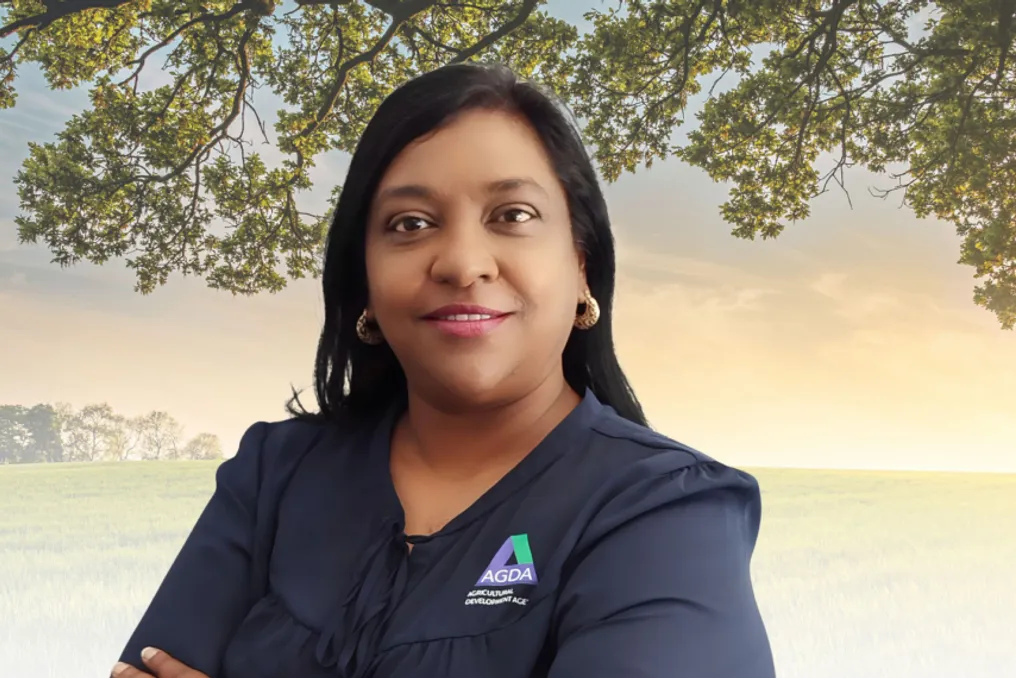
Agda CEO, Leona Archari, will explain the importance of collaboration, access to finance, and strengthening industry partnerships. Delegates will gain insights from the two-day discussions designed to remove obstacles slowing down the development of agricultural businesses through networking.
For the first time, Agda is expanding its annual stakeholder gathering into a two-day conference format that includes a General Meeting. This new format allows Agda to examine the entire path to commercialization by integrating finance, insurance, logistics, regenerative agriculture, and markets into one program.
A key aspect is bringing together individuals with diverse decision-making powers, including representatives from government, banks, investors, insurers, infrastructure organizations, industry associations, and farming operations capable of influencing agricultural growth.
Participants can expect two days of candid conversations about what is needed to develop agribusiness. Special attention will be given to the opening strategic panel, 'How to make the agricultural value chain more inclusive and efficient,' and the closing panel, 'Closing the Gap.'
The first discussion addresses Agda's core mission: what changes are necessary so that more agricultural enterprises can participate, compete, and grow? Combining perspectives from government, industry, and business allows for an examination of barriers and shared responsibility for overcoming them.
The 'Closing the Gap' panel brings together discussions concerning finance, risks, markets, and the support needed by enterprises. For someone diligently building a business, a lack of support can mean a lost season, a missed opportunity, or stalled growth. This discussion explores where stronger connections and coordinated action can provide practical benefits.
These panels give the conference a clear objective: to understand what hinders inclusive growth and then determine what can be done collaboratively to move forward. An Agri Pitch Competition, sponsored by Agda, Masimong, and WinField United SA, is also expected. During this event, entrepreneurs will have a platform to present their businesses, growth plans, and capital needs to those who can influence their future development.
This is particularly important as it directly aligns with Agda's goal: uniting the partnerships and support required for agricultural enterprises to achieve commercial sustainability.
Collaboration is at the heart of Agda's work. The organization believes that inclusive growth in agriculture depends on the joint efforts of farmers, businesses, financiers, government, and other partners, as each possesses expertise, resources, and connections that others cannot provide alone.
However, collaboration requires more than just being in the same room; it demands the ability to listen, fulfill commitments, and take ownership of one's part. It requires understanding the real needs of the enterprise and working with its owner to develop a practical action plan.
This is what drives Agda's work: creating partnerships and providing support that helps agricultural enterprises thrive. When done successfully, the benefits extend not only to one business but also to the people it employs, the families it supports, and the communities it serves.
The main reason to attend the conference is the opportunity to connect with people who can help advance your work, and whose work you can help advance. The potential of these exchanges is exciting: someone in the hall might understand your problem, you might have the expertise or connection another person needs, and a conversation could become the start of a partnership creating opportunities far beyond any single organization.
Organizers hope that participants will leave with valuable contacts and a shared commitment to building a sustainable and inclusive agricultural sector. The conference is designed to create a space for relationships and conversations that will continue long after the event. Specifically, there is hope that discussions on financing models and farmer support will lead to ongoing collaboration, allowing for the exploration of new mechanisms and practical approaches to the growth and commercial sustainability of agricultural enterprises.