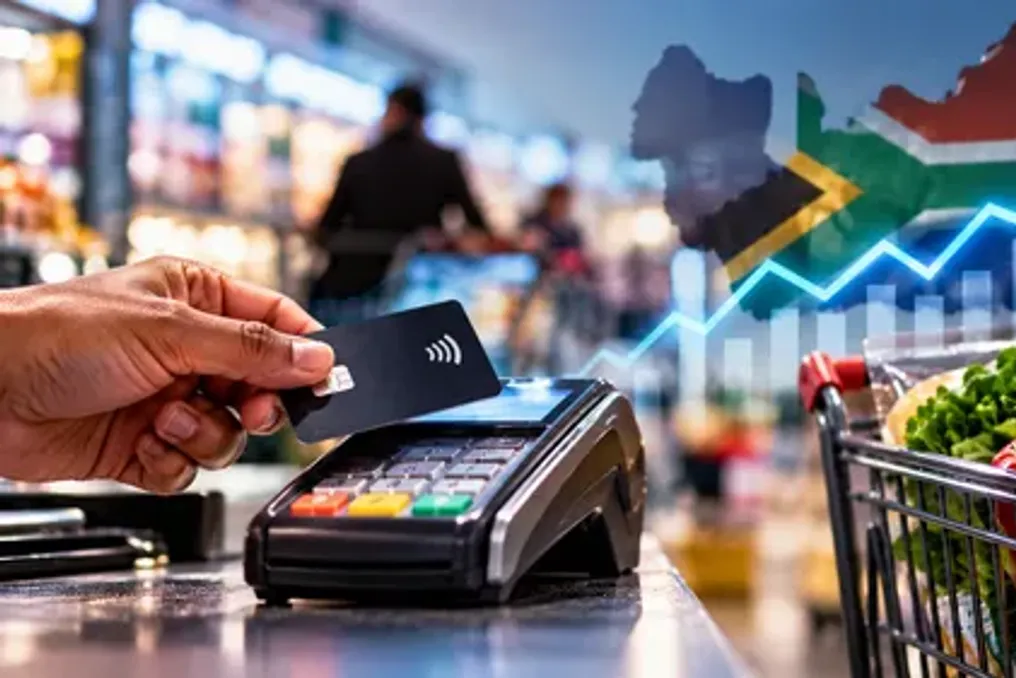
According to the latest PayInc Economic Health Index, the South African economy showed preliminary signs of quarterly recovery despite a decline in economic activity in September 2026. However, rising fuel prices, driven by renewed tensions in the Middle East, could undermine further growth in an already struggling economy.
The PayInc Index recorded a 0.4% month-on-month drop in September. Previously, the August growth had been revised upwards to 1.2%, reported Shergeran Naidu, Head of Stakeholder Engagement at PayInc.
Independent economist Elisa Kruger noted that the improvement in economic activity in the third quarter suggests a possibility for South Africa to return to positive GDP growth after a 0.2% contraction in the second quarter.
Not So Fast
Nevertheless, other indicators point to uneven recovery. The S&P Global South Africa Business Conditions Index fell to 49.0 in September from 50.5 in August, indicating a deterioration in business conditions in the private sector.
The manufacturing sector performed better: the Absa Purchasing Managers’ Index rose to 50.7, and new car sales increased by 12.7% year-on-year, reaching 57,761 units.
Kruger warned that higher fuel prices, uncertainty, and weakening business confidence continue to negatively affect economic activity, and additional pressure on household finances threatens the recovery process.
"Currently, 2026 has proven to be a difficult year, testing the resilience of the South African economy and emerging markets in general," stated Kruger.
Despite the economic slowdown, South Africans are making more electronic payments. Nearly 200 million transactions were processed in September, as food retailers report that buyers are purchasing more goods amid falling prices.
The latest PayInc Economic Health Index shows that 197.3 million electronic transactions were conducted in September, which is 9% more than the previous year and slightly higher than the 196.3 million registered in August. The total value of electronic transactions grew to 1.447 trillion rand compared to 1.426 trillion rand in August, although transaction volume remained below the July record of 201.5 million.
This increase in payment activity occurs against the backdrop of a 0.4% drop in the PayInc Index in September, following a 1.2% rise in August. The index, which measures electronic transaction activity and wholesale demand for cash by inflation-adjusted prices, stood at 103.8, which is 1.8% higher year-on-year.
Shergeran Naidu, Head of Stakeholder Engagement at PayInc, noted that transaction volumes continue to grow despite the challenging economic environment. This data suggests that South Africans continue to conduct transactions even when overall economic conditions remain under pressure. However, an increase in payment volume does not necessarily mean that households are spending more in real terms or have greater disposable income.
Buyers React to Price Drops
Recent figures follow an update from food retailer Boxer, which reported that buyers were purchasing more goods as food prices decreased. Boxer stated that selling prices fell by 2.4% over the half-year, while sales volumes increased, suggesting that lower prices encourage customers to buy more.
The retailer's data shows consumer reaction to price changes, although its food sales data cannot be directly compared with PayInc's overall economic payment data. These findings are also accompanied by a warning about the possible return of food inflation, which could negate some of the relief experienced by consumers.