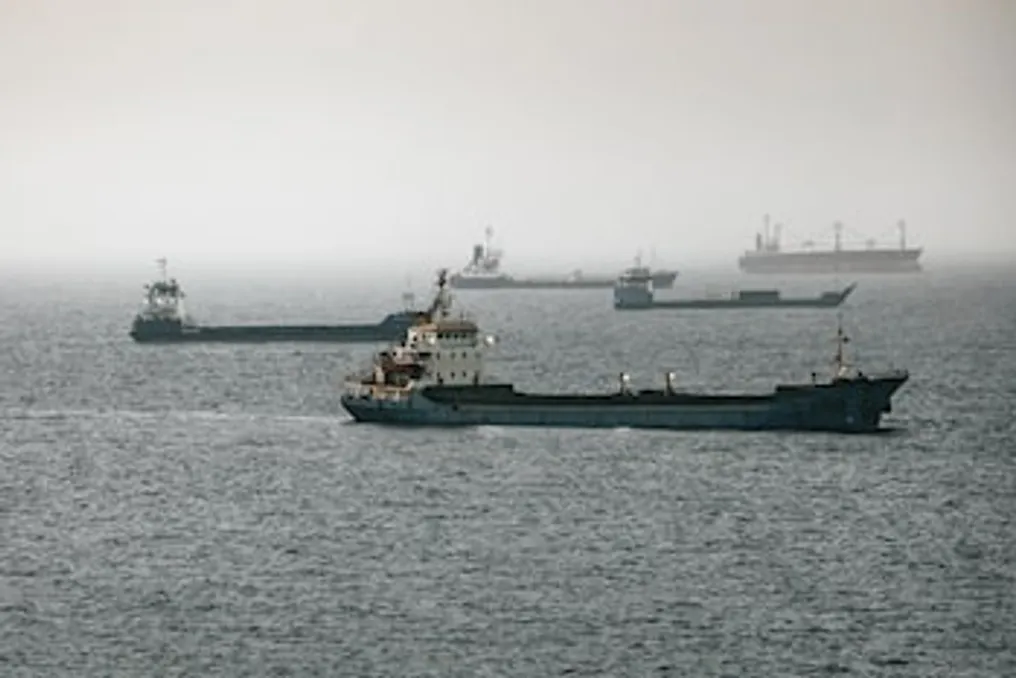
High freight costs, longer sea routes, and limited supply of medium sour crude oil have made American grades less attractive to Indian refineries compared to alternatives from West Asia and Russia, specialists note.
According to three senior officials from refining companies, producers from West Asia, including the UAE, Iraq, and Saudi Arabia, will remain the leading energy suppliers to India after the war, as the US cannot replace them. This occurred against the backdrop of a sharp decline in oil and gas supplies from the US to India in September compared to the peak level in May of this year.
According to vessel tracking data, imports of crude oil, liquefied natural gas (LNG), and liquefied petroleum gas (LPG) from the US into India decreased by 43% in September, amounting to 1.22 million tons compared to 2.13 million tons in August. This was the lowest figure since April. Although the conflict in West Asia disrupted energy supplies to India since March, forcing Indian refiners to seek other sources, supplies from the US only slightly decreased in September 2025.
Furthermore, supplies from the US fell more than twofold compared to the two-year high of 2.86 million tons in October 2025, equivalent to billions of dollars in reduced purchases. Meanwhile, imports of oil and gas from West Asia sharply increased by 67% in September compared to August, reaching 13.56 million tons, according to vessel tracking data.
Oil exports from the Persian Gulf recovered to approximately 16.5 million barrels per day (bpd) in September, approaching pre-war levels, although only 60% of these barrels passed through the Strait of Hormuz compared to 83% before the war. The trade journal OilPrice reported, citing a Standard Chartered note, that Saudi Arabia, the UAE, and Iraq were able to adapt using pipelines, port circumvention, and extensive ship-to-ship transfers, which weakened Iran's ability to block regional oil exports.
Senior officials from state-owned refining companies stated that while Washington urged New Delhi to increase energy imports, the government did not provide directives on where to purchase crude oil, LPG, or LNG. Economic viability remained the priority. These officials noted that record freight rates and the limited supply of medium sour crude from the US—which is most suitable for India's complex refineries—made importing light sweet premium American crude less attractive compared to Russian oil.
According to Kpler, crude oil imports from the US in October dropped by about 30% compared to all of September, totaling 91,000 barrels per day. The charter rate for Very Large Crude Carriers (VLCCs), capable of carrying about 2 million barrels of crude oil, has increased more than 20 times from pre-war levels to nearly $1.5 million per day from $50,000–$75,000 in early 2026, reported the Abu Dhabi ship broker. Transportation and insurance now account for 20–25% of the crude oil shipment cost, whereas before the war, this figure was less than 5%.