South Africa has every right to act as a country providing asylum to those fleeing persecution, war, and political violence. This obligation should not be debated. However, the contentious issue is whether the country has an asylum system capable of distinguishing genuine refugees from individuals using asylum status as an alternative route into the country.
In the region, South Africa is unique in that it generally does not use refugee camps. Asylum seekers are mostly integrated into local communities while their applications are being processed. This model is not entirely flawed, as it helps avoid the enormous financial and humanitarian burden associated with maintaining large camps.
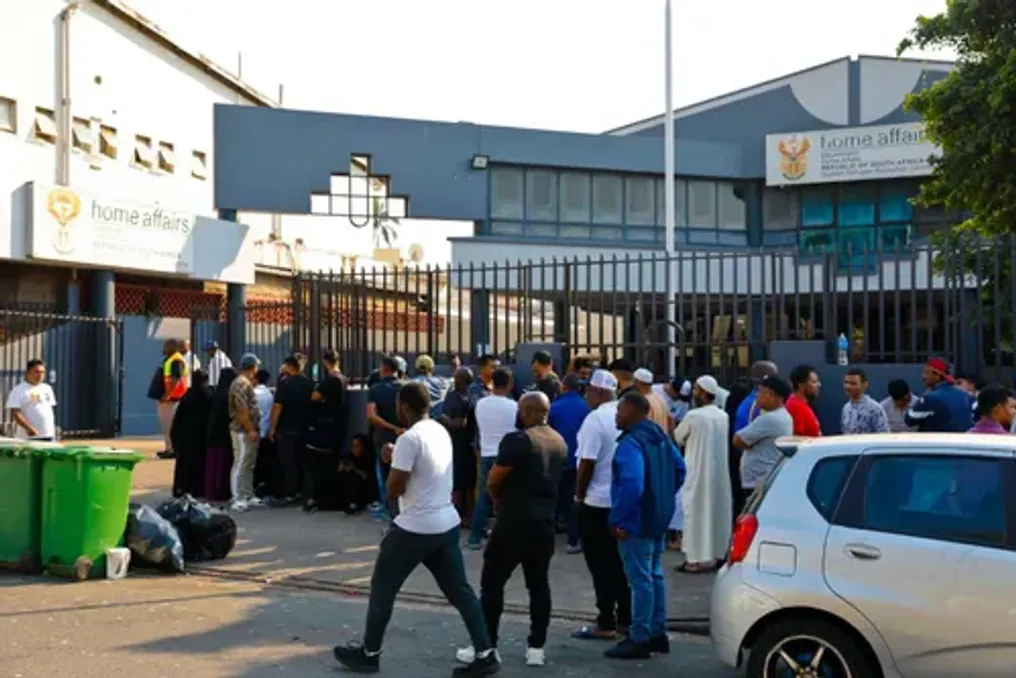
Nevertheless, this places a colossal responsibility and pressure on the Department of Home Affairs. The state is obliged to know all entrants, establish their identity, determine the authenticity of their claims, and ensure the departure of those whose applications are rejected. This is where the South African system has experienced difficulties.
The latest Constitutional Court ruling on asylum cases provoked a clear strong reaction. However, blaming President Cyril Ramaphosa for this decision or accusing the court of simply opening South Africa's borders overlooks a more important question. The court deals with constitutional matters, and the executive branch must apply the law.
Thus, the real question for the Ramaphosa government is whether the Department of Home Affairs possesses sufficient competence and integrity to implement this decision without turning the asylum system into a de facto immigration channel. An undocumented person must have the opportunity to seek protection if they genuinely fear persecution, but applying for asylum should not mean the state waives its duty to determine whether that person truly meets the criteria for refugee protection.
South Africa has a particularly compelling reason to demand an effective system. The country's unemployment crisis inevitably leads to significant economic and social consequences for immigration policy. Nevertheless, the answer cannot be to deny protection to legitimate refugees. Nor can one pretend that every undocumented arrival is a refugee.
The greatest danger lies in the gap between these two positions. If applications are processed promptly, identities are verified, fraudulent claims are identified, and rejected applicants are removed, the system can protect refugees while maintaining control over immigration. However, if applications remain unresolved for years, temporary protection can effectively become permanent residency.
Corruption within the immigration system also deserves close attention here. When officials facilitate the processing of false documents or improperly assist people navigating the system, the fault lies not with the refugee, but with the South African state. Therefore, this discussion should stop being reduced to a dichotomy of 'open borders' versus 'anti-immigration.' South Africa can show compassion without being administratively incompetent. It can fulfill its international obligations while adhering to immigration laws. The real test is simple: protect those who genuinely need asylum, process their applications quickly, expose abuses, and ensure deportation. Anything less leaves both refugees and South African citizens in an unsatisfactory position.