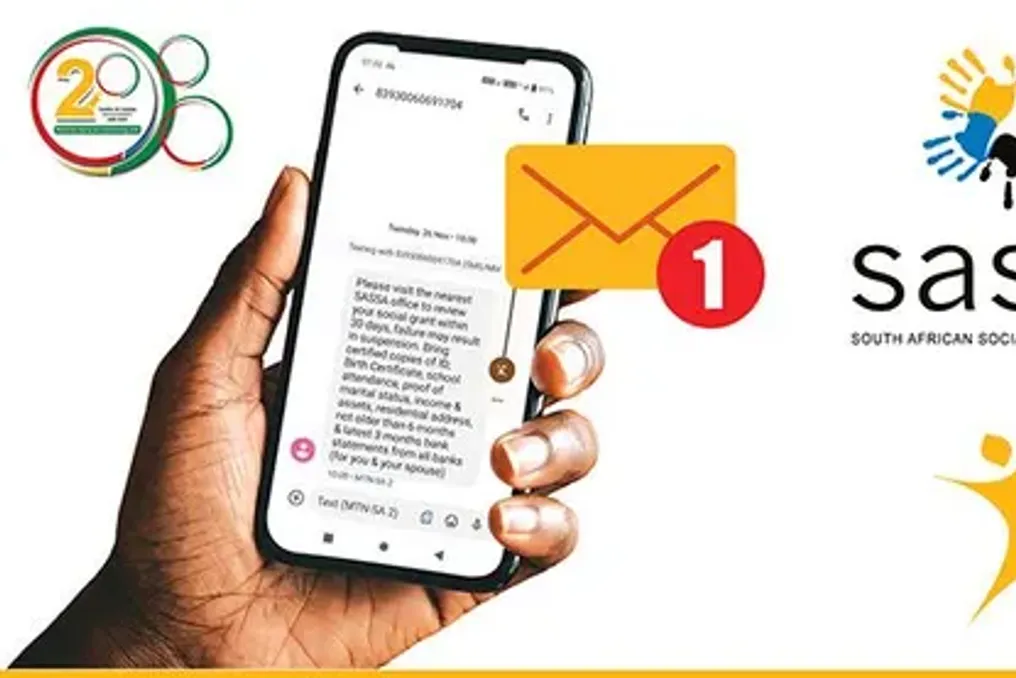
The South African Social Security Agency (SASSA) is intensifying efforts to ensure that social grants reach those who genuinely meet the criteria. Over the first quarter of the 2026/27 financial year, more than 100,000 grants have already been verified.
SASSA emphasized that receiving an invitation for a grant check does not automatically mean the recipient has committed fraud or that their grant will be terminated. Grant checks are a standard and important part of responsible management of social payments, allowing SASSA to confirm whether recipients continue to meet the legal requirements.
For the 2026/27 financial year, SASSA plans to verify 320,000 grants. During the first quarter, the Agency successfully verified 105,508 social grants, meeting its initial quarterly target of 105,508 and achieving a 100% verification goal. In the same period, 102,019 life certificates were successfully processed against a target of 94,709.
Furthermore, SASSA identified 3,611 instances of overpayment, which were officially opened and forwarded to the Financial Department for further processing and recovery measures.
People's circumstances can change over time. Changes in income, marital status, bank details, contact information, or household composition can affect an individual's right to receive a grant. Regular checks allow SASSA to confirm this information and ensure that payments are made only to those who continue to meet the established requirements.
Thus, the process aims to maintain the fairness of the social assistance system, its financial sustainability, and protection against abuse. SASSA bears the legal responsibility to ensure that social grants are paid exclusively to individuals who comply with the relevant legislation.
SASSA's message to recipients is very clear: do not ignore a verification notification. Anyone who receives an SMS stating that their grant is under review must respond promptly, provide the requested information, and submit the necessary documentation. Recipients must also ensure that SASSA has their correct mobile phone number to avoid missing important updates and notifications.
This same principle applies to life certification, which is another important part of the SASSA verification process.
To make life certification more convenient and reduce the burden on local offices, SASSA introduced e-Life Certification—a digital self-service platform that allows recipients using the online service to complete life certification remotely. Recipients are advised to undergo life certification annually and as early as possible. However, those identified by SASSA for immediate e-Life Certification must adhere to the set deadlines. This requirement applies regardless of the type of grant received or date of birth.
Recipients who receive a specific request should not assume they can wait until their usual annual certification period.
SASSA encourages recipients with access to the self-service portal to use e-Life Certification for several reasons. Firstly, convenience: recipients can confirm their living status without visiting a SASSA office, potentially saving time and travel costs. Secondly, reduced queues: shifting a larger part of the process to the digital self-service platform is intended to alleviate overcrowding in local offices, especially during peak periods. Thirdly, security: biometric verification and integration with Home Affairs systems aim to increase the accuracy and reliability of the certification process.
The digital option is designed to make it easier for recipients to fulfill the important verification requirement without visiting an office.
Recipients who fail to complete life certification as instructed by SASSA may face delays or suspension of grant payments. In such circumstances, the lack of life certification may be interpreted as an indication that the recipient has died or is not a legitimate beneficiary. For people dependent on monthly grant income, a break in payments can have serious consequences. Therefore, SASSA strongly urges recipients to respond promptly to life certification requests and keep their personal information up to date. For those who cannot use the online service or require assistance, visits to a SASSA office remain available.
The shift towards greater use of digital self-service is also supported by measures to improve the functioning of local SASSA offices. The Agency has developed and approved a comprehensive Guide to Effective Queue Management in Local Offices, which provides a standardized framework for managing customer flows and improving service delivery. This guide is intended for: effective management of customer flows; optimizing staff allocation; monitoring and reducing waiting times; improving overall customer service quality.
As part of the implementation, SASSA has developed a national training program aimed at upskilling over 1,000 local office managers, assistant managers, and team leaders. This training is intended to support the effective execution of grant checks, life certification activities, and other recipient verification initiatives.
Recipients can access the e-Life Certification service through the SASSA Online Services Portal. Whether a recipient receives a grant check notification or a life certification request, SASSA's message remains clear: respond promptly and do not ignore the request. Completing the required verification on time can help prevent unnecessary delays or suspension of grant payments while ensuring that the social assistance system continues to support those who genuinely qualify. For more information about e-Life Certification and how to access the self-service portal, please visit the SASSA Service Portal or contact your nearest SASSA office.