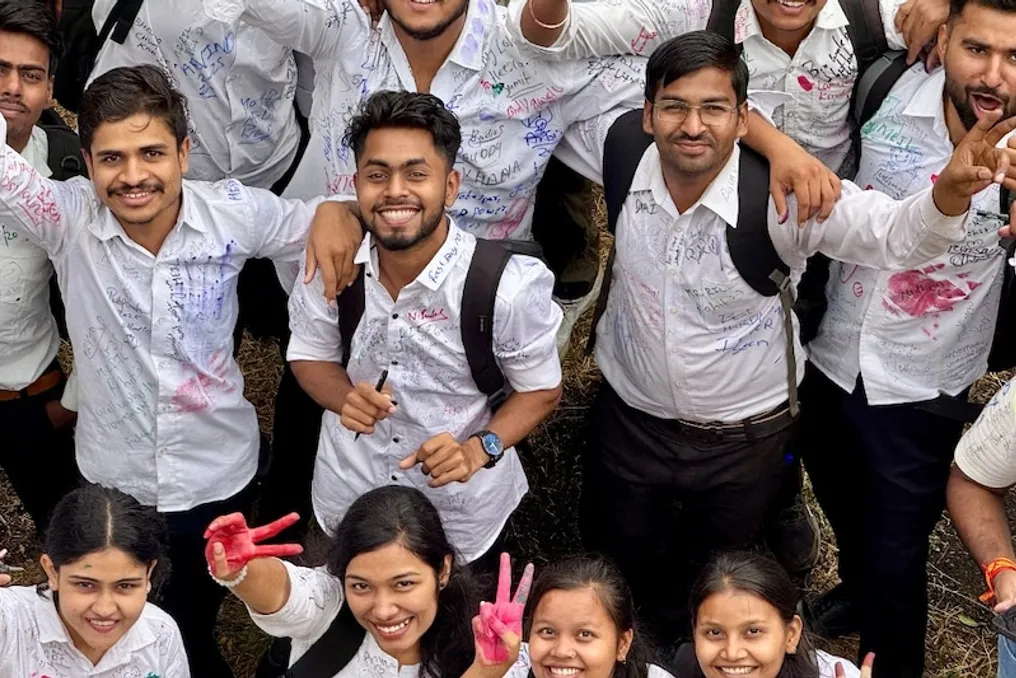
Surya Mitra Program: How Youth Can Find Employment in the Solar Energy Sector
Read more
Aaj Tak
www.aajtak.in

Surya Mitra Program: How Youth Can Find Employment in the Solar Energy Sector

With the development of solar energy projects, there is a growing need for qualified technical specialists capable of installing, operating, and maintaining solar energy systems. The Surya Mitra skills development program is designed to prepare youth to perform technical tasks in the field of solar photovoltaic (PV) technologies.

The Surya Mitra initiative was launched in 2015 and is a project of the Ministry of New and Renewable Energy (MNRE). It is implemented through the National Institute of Solar Energy (NISE) located in Gurugram and training centers selected by this institute. The main goal of the program is to build a skilled workforce to meet the growing technical demands of India's solar energy sector.

Under this program, youth receive technical training related to solar PV systems. According to the MNRE, the duration of the training is three months, equivalent to 600 hours. The program includes classroom theory, practical laboratory training, hands-on experience on solar PV installations, on-the-job internships, as well as soft skills and entrepreneurship training.

The acquired skills enable participants to work on the installation, operation, and maintenance of solar energy systems. These competencies are critical for both operating rooftop solar installations and for large-scale solar energy projects. The minimum requirement for participation in the program is a secondary school certificate (tenth grade) and qualification in a relevant ITI specialty, including fields such as electrician, wire fitter, electronics mechanic, fitter, and sheet metal worker. Assessment and certification are conducted by accredited Skill Council for Green Jobs or other institutions recognized by the Ministry of Skill Development and Entrepreneurship.

In accordance with the Uttar Pradesh Solar Policy 2022, a target has been set to train 30,000 young people as Surya Mitra participants through UPNEDA training centers over five years. It is important to note that this is a target figure, not the actual number of people trained so far. The Uttar Pradesh Renewable Energy Development Agency (UPNEDA) acts as the responsible agency for solar energy initiatives in the state. The state policy also encourages the expansion of solar energy projects and the installation of rooftop solar systems on residential buildings, which requires trained technical specialists.

The Surya Mitra program helps meet this need by developing skills related to the installation and maintenance of solar power plants. Training availability depends on approved centers and running batches.

The Surya Mitra program combines technical information with practical training. This helps participants understand the processes of installing, using, and maintaining solar PV systems. Furthermore, the program includes soft skills and entrepreneurship training, preparing the trained youth either to seek employment in solar energy companies or to start their own businesses according to their abilities and local market demand. Although educational institutions assist with job placement, participation in the program does not guarantee employment for every participant.

The Surya Mitra program helps meet the need for a skilled workforce in the renewable energy sector by teaching suitable youth technical skills. The expansion of solar energy depends not only on the availability of solar panels and equipment but also on the presence of trained people to install and maintain them.

Similar stories

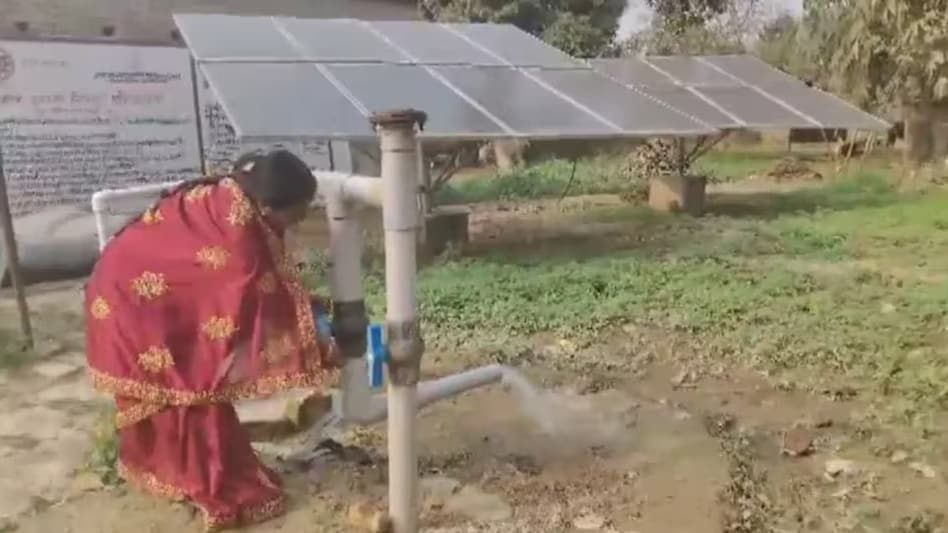
How the 'Solar Didi' initiative helps implement solar panels on house roofs
Read more
www.aajtak.in

How the 'Solar Didi' initiative helps implement solar panels on house roofs

For promoting rooftop solar energy, financial support and technical capabilities alone are not enough; it is crucial to convey accurate information about the program to the public, as well as explain the application and installation process. The 'Solar Didi' initiative is aimed precisely at this goal, uniting women from Self-Help Groups (SHGs) to raise awareness about solar energy.

In the state of Uttar Pradesh, this initiative is linked to the implementation of the 'Pradhan Mantri Surya Ghar: Muft Bijli' scheme, launched by the central government on February 13, 2024. The objective of this program is to help one million households across the country install solar installations on their roofs by March 2027. According to established rules, eligible families receive central financial assistance for installing rooftop solar panels.

Under the 'Solar Didi' program, women belonging to self-help groups undergo training to disseminate information about rooftop solar panels and clarify the implementation process for families. According to the Ministry of New and Renewable Energy, the training is conducted for women from self-help groups associated with the Deendayal Antyodaya Yojana - National Urban Livelihoods Mission (DAY-NULM).

The functions of these women include providing information on the benefits of solar energy, explaining the eligibility criteria and application process, and offering consultation on various stages of setting up a rooftop solar power plant. They can also facilitate contact between families and agencies responsible for implementing the program.

This role is significant because before installing solar panels, families may require information regarding technical specifications, supplier selection, application procedures, and available financial aid.

In Uttar Pradesh, the nodal agency for solar energy initiatives is the Uttar Pradesh New and Renewable Energy Development Agency (UPNEDA). The Uttar Pradesh Solar Policy 2022 encourages the installation of solar power plants on residential buildings, and this policy plays a key role in the state's energy policy.

The 'Solar Didi' initiative can help bring these efforts to local communities. The network of urban self-help groups provides women with opportunities to participate in awareness campaigns and local networking. Furthermore, this initiative gives women a chance to gain knowledge about solar energy and join the clean energy sector. However, aspects such as the duration of training, women's responsibilities, and the size of incentives may vary depending on relevant guidelines and the local level of implementation.

The goal of the 'Pradhan Mantri Surya Ghar' program is to simplify the transition of domestic consumers to rooftop solar panels through financial support and a national application portal. The 'Solar Didi' initiative adds an additional channel for community awareness to this.

By combining women's participation with solar energy awareness, this initiative helps families make informed decisions about adopting rooftop solar panels. Simultaneously, it opens up opportunities for women in the clean energy sector. It is important to understand that 'Solar Didi' should be viewed as an awareness and training initiative supporting rooftop solar panel adoption, rather than a standalone electricity subsidy program. Subsidy terms and eligibility are determined according to the guidelines of the respective rooftop solar energy program.

Design agency Filament developed modular solar collector Solaris Kit for hot water access
Read more
designindaba.com

Design agency Filament developed modular solar collector Solaris Kit for hot water access

Filament, a design agency based in Glasgow, has created a modular solar thermal collector system in a flat-pack format. The goal of the development was to increase the accessibility of hot water in communities with limited resources.

The system, named Solaris Kit, is designed to be easily transported, assembled with basic tools, and installed both on roofs and in open areas. After installation, the prism-shaped device silently converts solar energy into hot water, eliminating the need to burn fossil fuels.

Solaris Kit enables shared access to hot water. A prototype of the system was tested under conditions simulating dust, wind, UV exposure, and rough handling, and was also used in rural clinics in Rwanda.

The low profile of the device allows it to blend harmoniously with the local architectural landscape, and the flat-pack design enables communities themselves to participate in the installation and maintenance process. The ambition of Solaris Kit is to make sustainable technologies more meaningful through environmentally responsible design that considers real-world operating, installation, and maintenance conditions by people.

By transforming solar thermal collectors into a modular, repairable, and locally manageable system, this project transforms them into infrastructure for local communities.

Popular