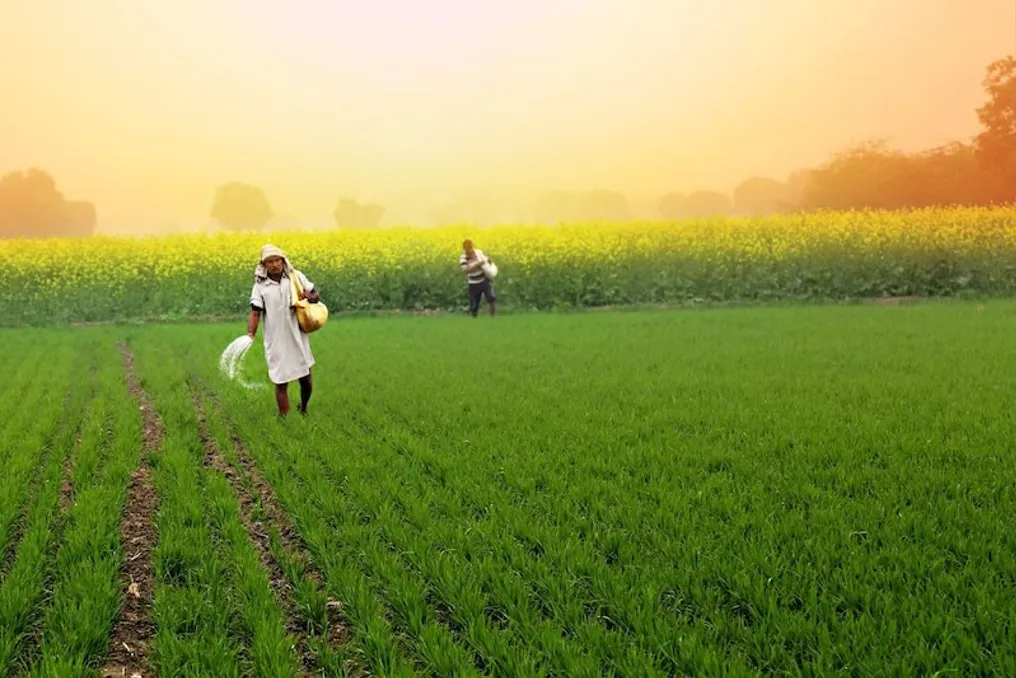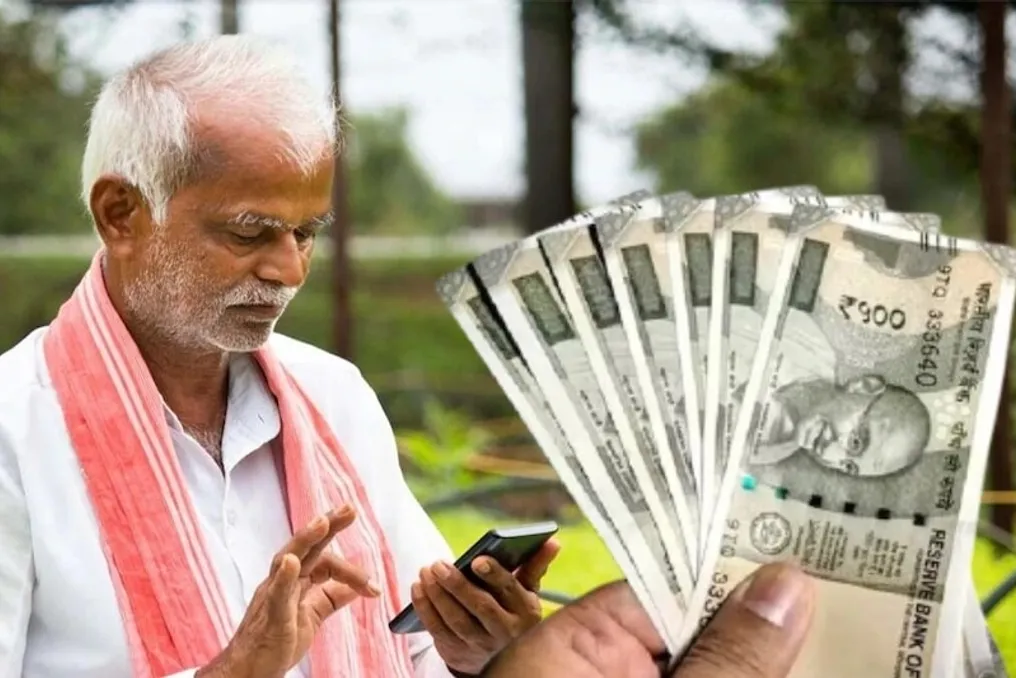
The Government of Maharashtra has made an important decision to provide temporary financial assistance of Rs 5000 to all farmers in the state. This payment will be disbursed before the festival of Diwali.
Chief Minister Devendra Fadnavis announced this measure, noting that the decision was made following the declaration of drought in the state, as well as because expected aid from the central government would not arrive before Diwali.
This month, the Maharashtra government declared a severe drought in 305 talukas, covering 34 districts of the state. Initially, the drought was declared in 265 talukas, but the number was later increased to 305. This affects approximately 75% of the state's territory.
The drought affects many areas across six administrative divisions of the state, including Marathwada, Vidarbha, North Maharashtra, and Pune district. In response to this situation, the government is providing farmers with various forms of support, such as suspension of agricultural loan recovery, electricity bill discounts, water supply, and financial aid. The announcement of the Rs 5000 payment before Diwali is significant support for farmers.
Devendra Fadnavis visited drought-affected villages in September and stated that relief measures for needy farmers would be introduced soon. He emphasized that the state government would not wait for aid from the central government and would ensure immediate support for farmers in affected areas. The Rs 5000 payment is a step in this direction.
According to reports, the Maharashtra government may provide additional types of assistance to farmers in drought-stricken areas. These measures could include reduced electricity bills, restructuring of agricultural loans, and exemption from school fees. Furthermore, farmers are entitled to compensation for crop loss, which is set for various crops.
A report based on data as of September 22 indicated that from June 1 to September 21, the average rainfall in Maharashtra was only 80.82%. Fifty to 75% of the normal rainfall was recorded in 17 districts, while the other 14 districts received 75-100% of the rainfall. Solapur was the most affected, receiving only 48.65% of the average rainfall.