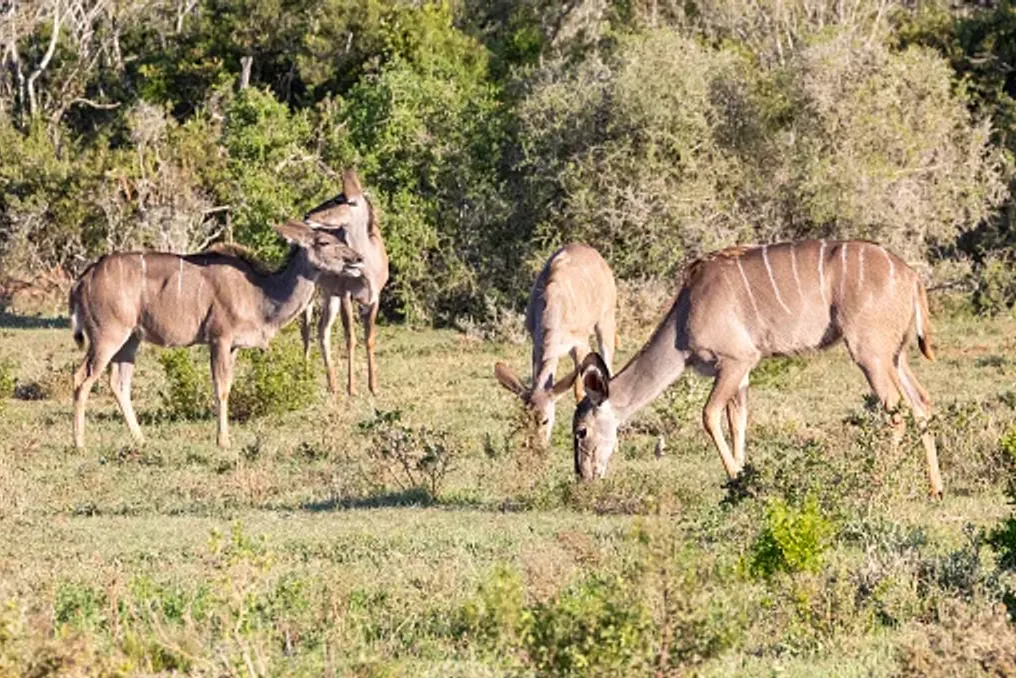
Foot-and-Mouth Disease Confirmed in Kudu at Addo National Park
Read more
Getaway
getaway.co.za

Foot-and-Mouth Disease Confirmed in Kudu at Addo National Park

In Addo National Park, the infection of kudu with foot-and-mouth disease (FMD) has been confirmed. This has led to the strengthening of biosecurity measures, while tourism activities in the park continue.

Addo National Park, located in the Eastern Cape, confirmed positive results from the second round of diagnostic testing of samples taken from the affected kudu. These animals are suffering from a highly contagious disease.

According to information from South African National Parks (SANParks), the Department of Agriculture was notified after wildlife health monitoring revealed an increase in lameness among kudu in the park. Initial tests were negative, but subsequent checks confirmed the presence of the virus.

Currently, other species of wild animals in the park do not show clinical signs consistent with foot-and-mouth disease.

Further Control and Monitoring Measures

SANParks is collaborating with the Department of Agriculture and other stakeholders to monitor the sick animals, assess the scale of the disease, and implement appropriate control measures. Biosecurity protocols have been strengthened, including the disinfection of vehicles before leaving designated animal observation areas.

Additional measures may be introduced upon recommendation from veterinary authorities or in accordance with animal disease legislation. The movement of ungulates into or out of the park is prohibited without the permission of the relevant veterinary authority after a risk assessment.

Furthermore, SANParks is informing neighboring landowners, livestock producers, and other stakeholders to coordinate preventive measures.

The organization emphasized that the positive test results only confirm the presence of the virus in the sampled kudu, but do not explain how the animals became infected or whether it is linked to other outbreaks in the Eastern Cape. These questions remain under investigation by the relevant veterinary services.

Tourism activities in Addo National Park remain open and will continue within the framework of the park's disease management measures and applicable veterinary requirements. SANParks clarified that foot-and-mouth disease does not pose a threat to human health, but visitors are advised to follow all park instructions regarding access, movement, and biosecurity.

Foot-and-mouth disease affects susceptible ungulates, including cattle and some species of wildlife. Monitoring and observation will continue among the affected kudu, other susceptible wildlife, and potential routes of virus transmission. SANParks reported that additional information will be provided as verified data becomes available.
Similar stories

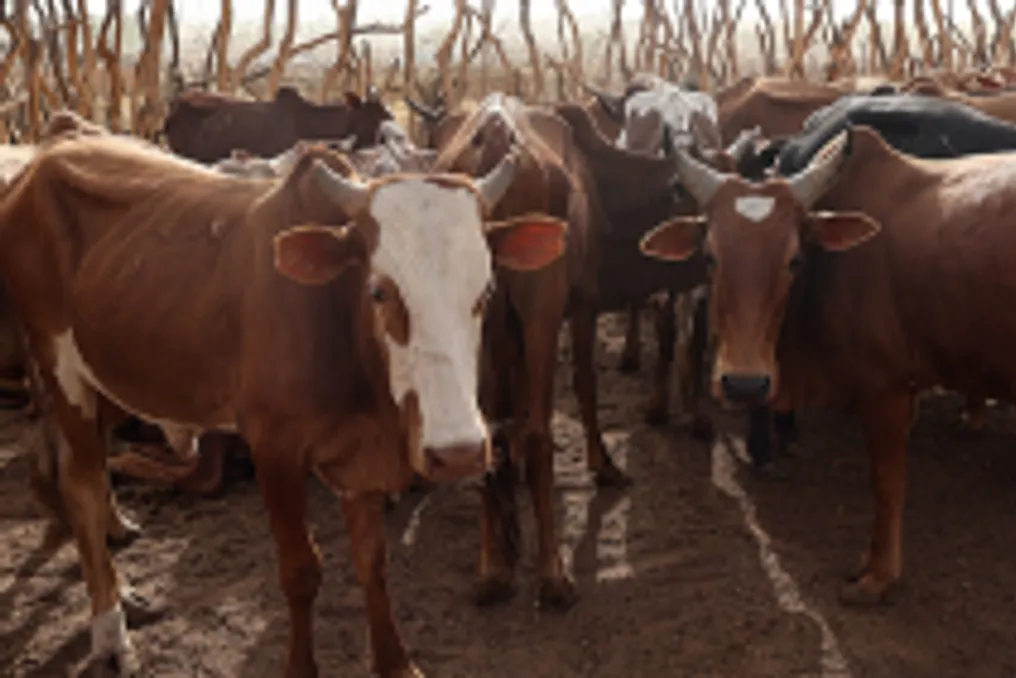
Oral cavity ulcer detected in the second region of Namibia after disease outbreak
Read more
cgtn.com

Oral cavity ulcer detected in the second region of Namibia after disease outbreak

The Ministry of Agriculture, Fisheries, Water Resources and Land Reform reported that an oral cavity ulcer (FMD) has been discovered in the second region of Namibia, continuing the outbreak previously registered in the southern region of Karas.

The disease was identified on Calala Island in the Cape constituency. Veterinary specialists recorded clinical signs in 20 head of cattle on October 5. According to the ministry's public notice, all 12 collected animal samples tested positive for the FMD virus on October 7.

The ministry announced the start of emergency vaccination in the affected area, as well as increased surveillance to determine the scale of the disease spread. Authorities have suspended the movement of hoofed animals and their products throughout the Zambezi region. Furthermore, cattle auctions, animal gatherings, and trade activities are prohibited.

Slaughtering at local abattoirs and informal markets has been suspended, but approved export facilities may continue operations provided strict adherence to quarantine measures and traceability requirements.

The Directorate of Veterinary Services has activated the national action plan for FMD and established checkpoints to ensure compliance with movement restrictions. Meanwhile, the government is intensifying efforts to contain the outbreak in the southern veterinary district of Karasburg, where Minister of Agriculture Inge Zaamwani recently inspected control measures and met with affected farmers.

Construction of a veterinary fence along farms bordering the Orange River is currently underway and is expected to be completed within four months. The ministry also plans to begin work on an additional enclosure around the containment zone in the week starting October 12. Veterinary teams are preparing to launch a vaccination campaign in the epicenter of the outbreak in Karasburg after finalizing implementation schedules.

Authorities strongly urge farmers to monitor movement restrictions, cooperate with veterinary personnel, and immediately report suspicious cases to the nearest state veterinary authority. Oral cavity ulcer is a highly contagious viral infection affecting cattle and other hoofed animals, and its outbreaks can disrupt livestock production and trade, creating significant economic risks for farming communities.

Popular