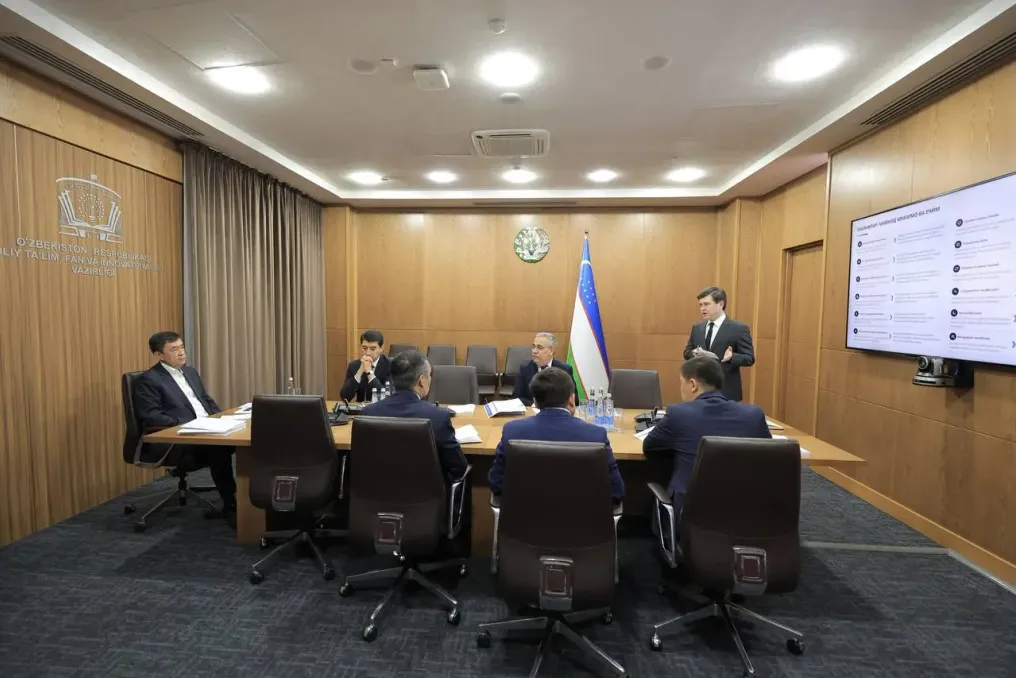
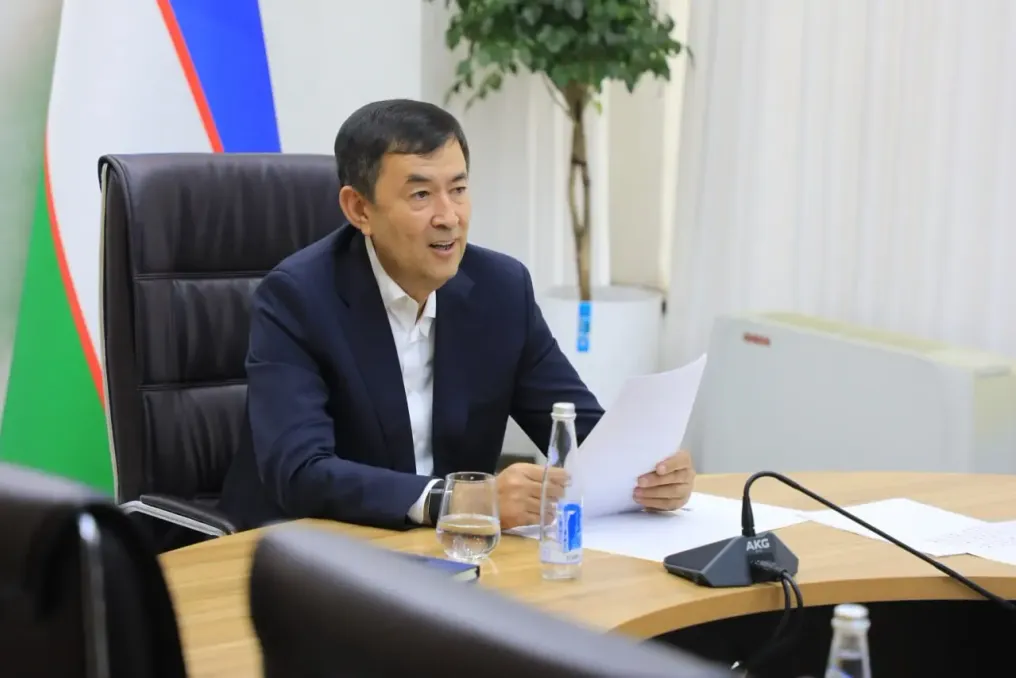
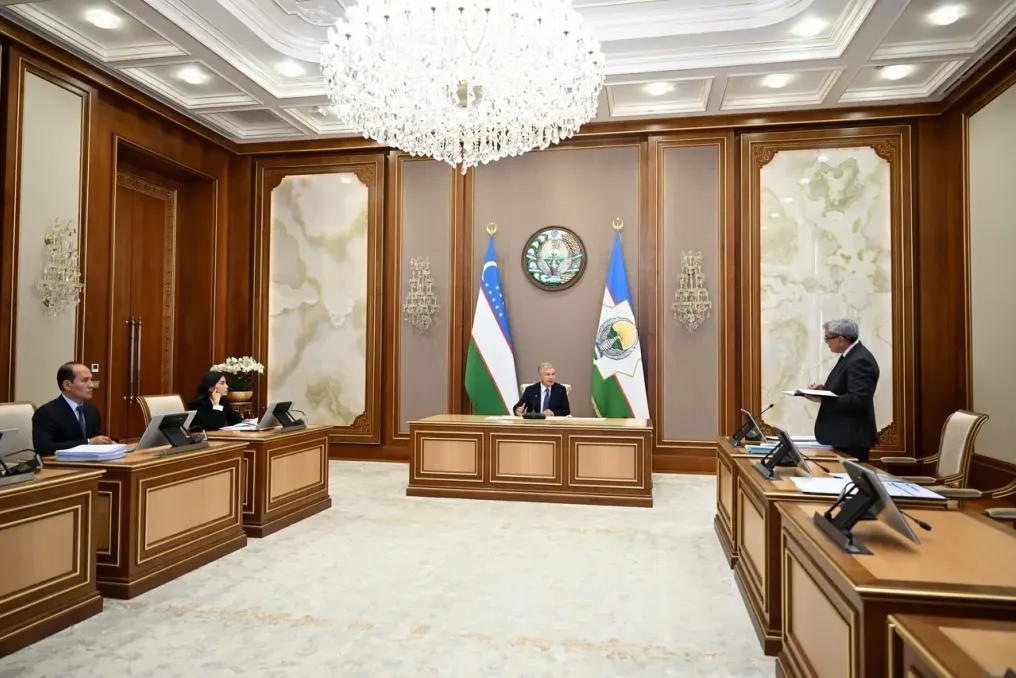
The President of Uzbekistan, Shavkat Mirziyoyev, reviewed a presentation dedicated to the organization of the new Ministry of Education and Science, as well as the priority tasks at all stages of the educational system.
Recently, according to a presidential decree, the Ministry of Preschool and School Education and the Ministry of Higher Education, Science, and Innovation were merged into a single Ministry of Education and Science.
The main goal of this reform is to create an integrated system of education, upbringing, and science, improve the quality and effectiveness of learning, and further develop human capital.
The new ministry has been tasked with ensuring continuity across all levels of education—from preschool to higher education—as well as scientific activity, and implementing sector management based on a unified approach.
Special attention will be paid to aligning educational content with modern requirements and labor market needs, developing competition, expanding private sector participation, and increasing the system's accountability to society.
The presentation covered the organization of the ministry's work taking into account regional specifics, eliminating redundant functions, and strengthening the responsibility of territorial units.
It was noted that digitalization of management and the development of analytical potential will allow for decision-making based on reliable information.
In the field of preschool education, the focus is proposed to be on comprehensive child development, updating methodological materials and programs, and improving teachers' qualifications. Proposals were also presented for early identification of children's interests and abilities and creating modern conditions in educational institutions.
Discussions in school education focused on updating textbooks, systematically forming students' knowledge and practical skills, and improving the assessment system. It was proposed to use artificial intelligence for methodological support of teachers, conduct pilot training in English in selected schools, and increase private sector involvement.
In vocational education, priority areas include early determination of youth interests, adapting technical college programs to labor market demands, and strengthening their material and technical base. The meeting also considered expanding dual education in partnership with enterprises, implementing international programs, and modern educational materials.
Regarding higher education, it was proposed to expand university autonomy, improve management quality, and strengthen the responsibility of university leaders for achieved results. Discussions included developing cooperation with leading foreign universities, strengthening ties between education and industry, and enhancing students' practical training.
In the scientific sector, the emphasis was placed on forming scientific clusters and strengthening interaction between universities, laboratories, and enterprises. Ideas were presented on the practical application of scientific developments and the creation of new products and enterprises based on them.
During the presentation, the President stressed the need to build the entire educational system, from kindergarten to university, as a single vertical structure. He particularly noted the importance of ensuring continuity between the school and university levels.
The head of state also pointed to the necessity of further improving the quality of education at every stage, nurturing children in the spirit of national and universal humanistic values, and integrating these values into educational and scientific processes. Special attention was paid to implementing the results of scientific research in practice. The President insisted that rectors must have a clear vision and development plan for their universities in the short and medium term. Responsible officials were instructed to carefully refine the presented proposals.