Mohammad Eslami, head of the Deputy President and the Iranian Atomic Energy Organization (AEOI), announced on Tuesday that Iran has reached a level in nuclear science and technology comparable to that of developed nations. Furthermore, the country now independently produces equipment and systems required for its national industry.
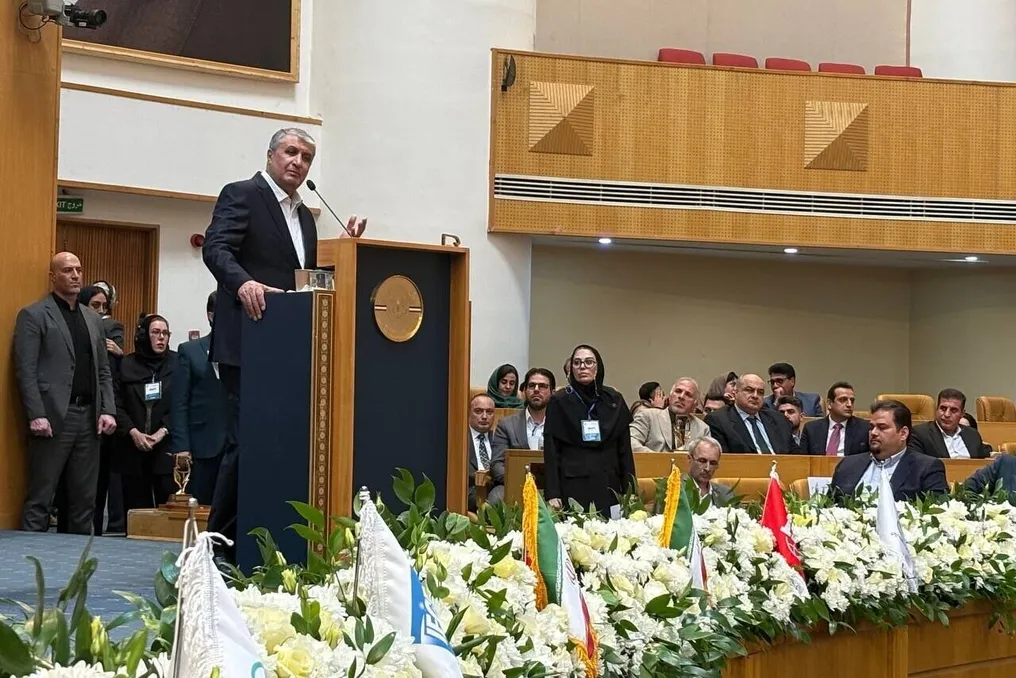
Speaking at the National Standards Day celebration, Eslami emphasized the importance of scientific expertise, innovation, and effective management for advancing Iran's technological capabilities. He noted that the country possesses the necessary human and technical resources to become a leading force in science and technology.
He stressed that leadership must create conditions for the development of talented individuals and ensure that scientific achievements bring tangible benefits to the people of Iran.
Local production counters restrictions
Eslami stated that countering Iran's access to nuclear technologies will not undermine the country's scientific potential, emphasizing that Iran has not engaged in any illegal actions in pursuit of technological progress.
He also mentioned attacks carried out by Israel and the United States on industrial infrastructure, including sensitive processes at oil refineries, petrochemical plants, and steel facilities. According to Eslami, these attacks targeted industrial control systems and tools vital for maintaining production processes.
The head of AEOI added that foreign suppliers refused to provide or repair certain equipment, which prompted Iranian specialists to develop and manufacture domestic equivalents that meet current standards and are accessible to industrial operators. He presented this capacity for local production as an example of how Iranian expertise can solve supply issues and maintain industrial activity despite external constraints.
Eslami described nuclear technology as a tool for improving people's lives, strengthening national capabilities, and supporting economic and technological development. He also highlighted the contribution of a relatively young generation of specialists, noting that the average age of professionals involved in scientific and technological advancements in this field was around 35 years. His remarks underscored the importance of investing in domestic scientific talent and translating research and technological breakthroughs into practical applications in the economy.