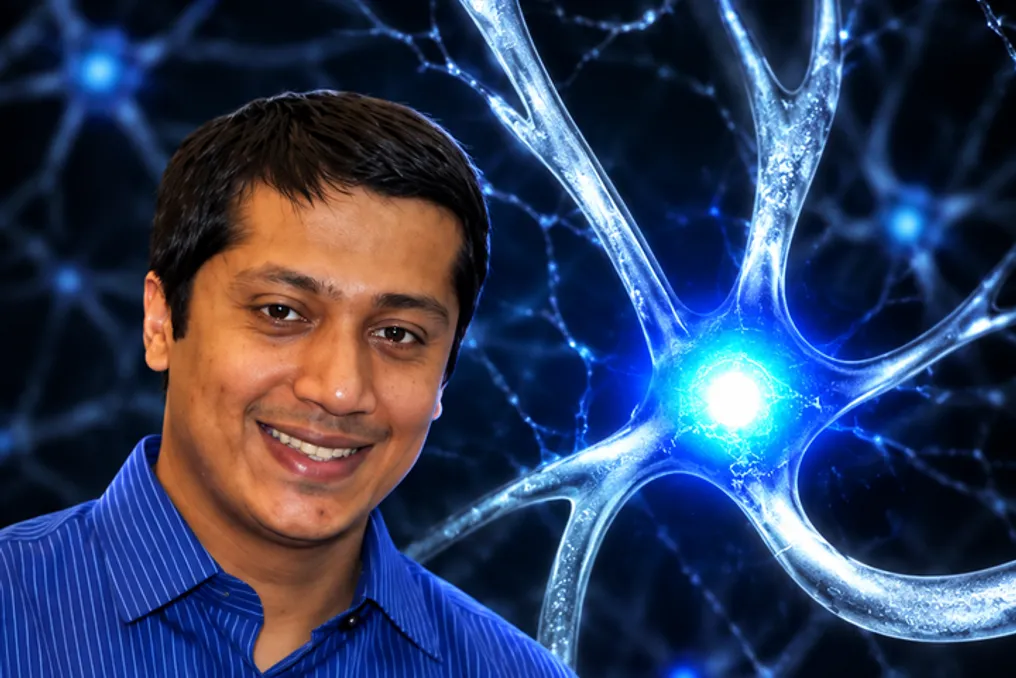
Dr. Arnab Barik, an assistant professor at the Centre for Neuroscience at IISc Bengaluru, is investigating the fundamental question of how the brain generates the sensation of pain. His research involves using light to control specific nerve cells.
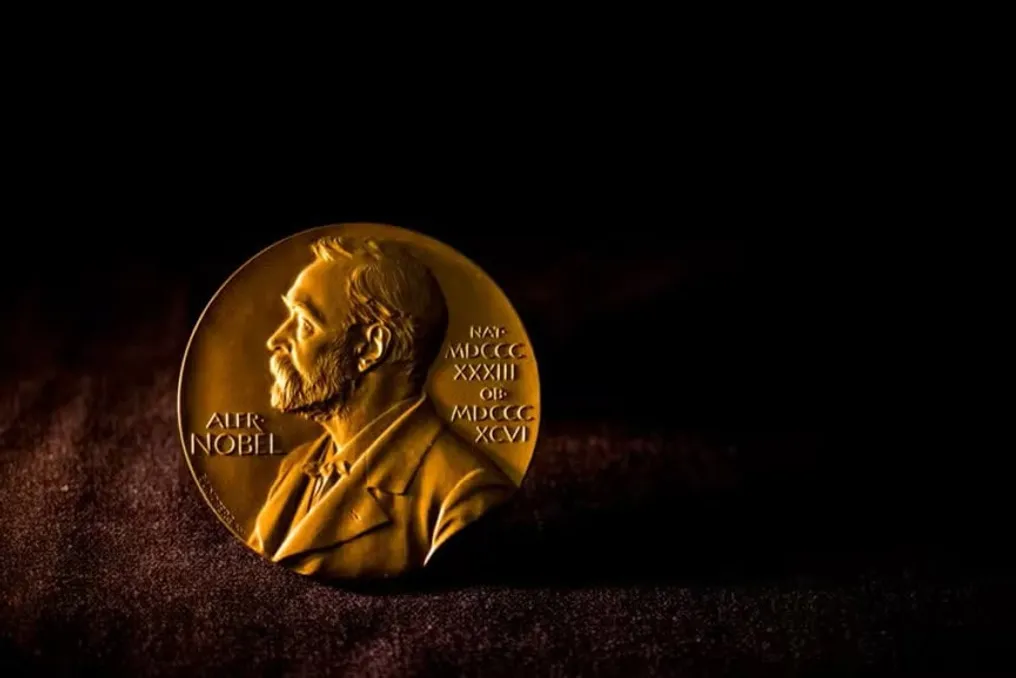
The technology of optogenetics became possible thanks to the discoveries of Karl Deisseroth, Peter Hägemann, and Georg Nagel, who were awarded the Nobel Prize in 2026. This method allows for the control of nerve cells using light pulses.
The research began with a tiny alga, where Hägemann and Nagel discovered channelrhodopsin—a light-sensitive protein present in the single-celled algae. Later, Deisseroth transformed this discovery into a tool for controlling neurons via light.
This high degree of precision has allowed scientists to ask very specific questions of the brain: what happens when a particular group of neurons is activated or suppressed. This has fundamentally changed the approach to studying the brain.
Barik applies this technology to study pain syndromes. His team uses optogenetics to map and manipulate the brain circuits involved in the perception of pain, as pain is formed both by trauma and by how the brain processes it.
In experiments on mice, his group modeled a circuit connecting parts of the brain and the spinal cord. They found that stress can alter activity in this circuit, thereby influencing how the brain processes pain.
The laboratory is also studying chronic pain. In one study, it was determined why harmless cold can become painful after chemotherapy, and a brain pathway linked to both pain and its emotional impact was identified.
Furthermore, an unexpected link between stress and itching was discovered. In 2026, Barik's team identified brain cells that activate during stress. Activating these cells reduced the urge to scratch in mice, while disabling them restored this behavior.
Understanding the mechanisms of pain and itching is crucial because these sensations protect the body, but when chronic, they can cause serious disorders. Studying the underlying brain circuits may help researchers develop more precise treatments for these conditions.
The Nobel Prize brought global attention to optogenetics. Researchers are now exploring its potential beyond the laboratory, including methods for restoring or controlling dysfunctional neural activity. Thus, a discovery made in a microscopic organism helped create a way to control neurons with light, opening prospects for using light in treating brain diseases.