Following the success of the film 'Hanuman Ansha', the industry has become filled with religious content, as stories related to spirituality and devotion are drawing large box office collections. 'Hanuman Ansha', created on a modest budget of 20 million rupees, continues to generate significant profit 66 days after its release, achieving a worldwide gross collection of over 435 million rupees. The success of this movie is attributed to the miracles of Nim Karoli Baba, which has also strengthened people's faith in this Maharaja.
Audience interest in films based on Indian religious beliefs and folk legends has increased. After 'Kachindi Hama', attention shifted to the story of the local deity of Uttarakhand—Golu Devata, which will soon appear on the big screen. The film titled 'Bala Goria' will be made without involving big stars or a huge budget, but rather with sincerity and reverence.
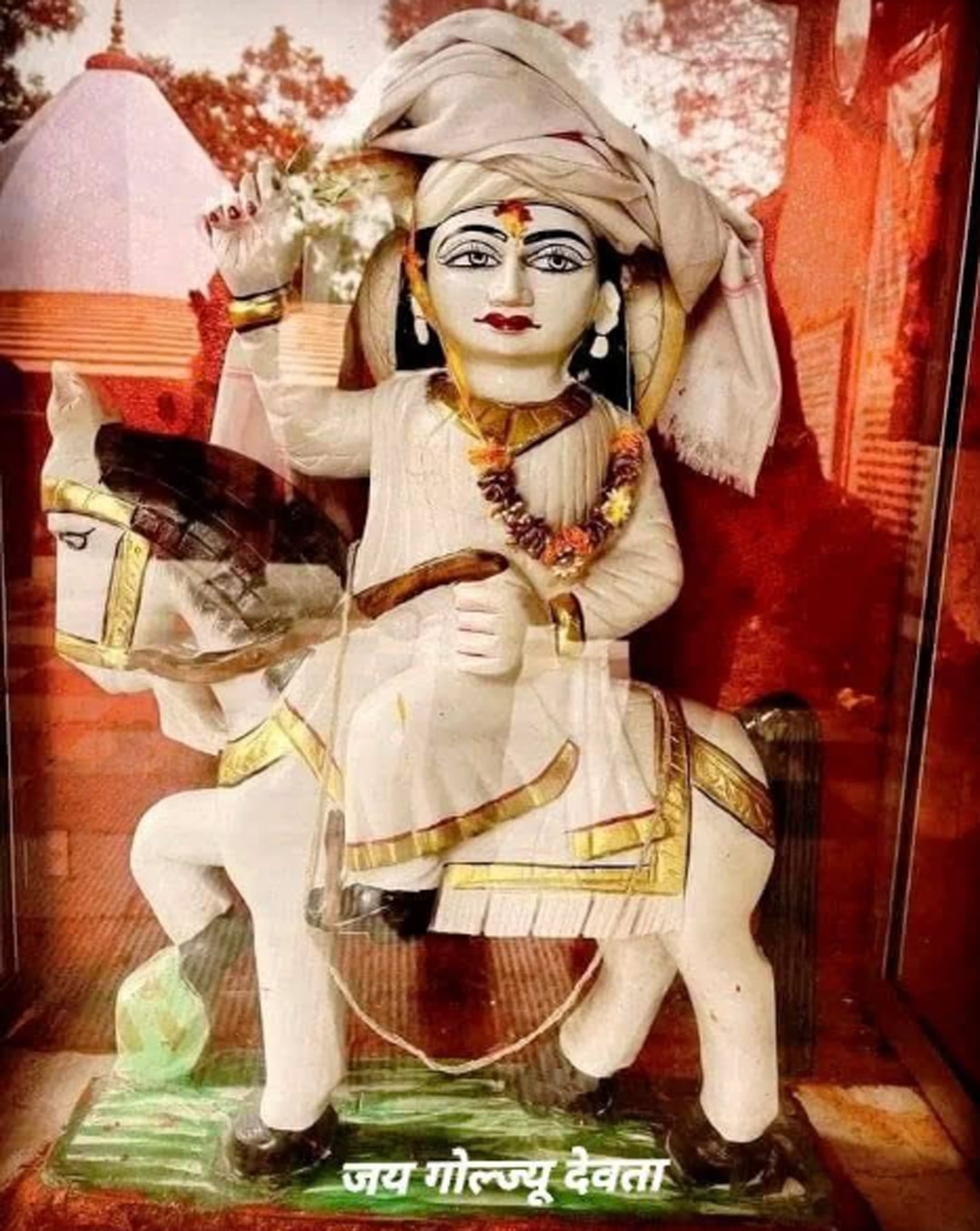
The film will depict the story of the revered deity of Uttarakhand—Golu Devata, his justice, and the unwavering faith of the people in him. The temple of Golu Devata is located in Almora, in the Kumaon region of Uttarakhand, where locals worship him as the god of justice. Initially, the premiere of 'Bala Goria' was scheduled for October 16, but following the phenomenal collection of 'Hanuman Ansha' and the growth of public trust, the creators decided to change the dates. Now, the film may be released in mid-November, and a massive screening is planned so that as many people as possible can see it.
The question arises whether the narrative of Golu Devata can capture the hearts of viewers as much as 'Hanuman Ansha', and if this film will become a true box office miracle. Although Nim Karoli Baba has followers worldwide, including famous personalities like Steve Jobs and Virat Kohli, and the connection with 'Kachindi Hama' also contributes to the success, few know about Golu Devata. Therefore, repeating the success of 'Hanuman Ansha' for 'Bala Goria' presents a serious challenge. The film's success will depend on the release date, promotion, plot, and word-of-mouth.
In Uttarakhand, especially in Kumaon, there is deep reverence for Golu Devata. He is also called Goldju Maharaj, Ghorial Devata (God of Horses), and God of Justice. Golu Devata's vehicle is a white horse. His temples are located in Chitai, Champawat, and Ghorakhal in Almora. Thousands of pilgrims come to Golu Devata's abode to ask for justice. They write down their problems and wishes on paper and bring them to the temple. When their wishes are fulfilled, many pilgrims express gratitude to Golu Devata by bringing bells.
In the temples of Golu Devata, one can see the amazing sight of the bells and prayers of the pilgrims. According to religious beliefs, he is an incarnation of Gaur Bhairava, a form of Lord Shiva. He is a deity who stands up to protect the unjustly oppressed and the weak.
According to folk tales, Golu Devata was born into royalty. He was the son of King Jalu Rai of the Katyuri clan and Queen Kalinki. King Jalu Rai had seven wives, but they could not have children, which caused him great anxiety about the future of his lineage. During this period, it was prophesied that he would have an eighth wife, and she would bear an heir. Subsequently, Jalu Rai married Kalinki, but the other seven queens were jealous of Kalinki. When Kalinki became pregnant, all the queens panicked and plotted against her unborn child.
They threw the newborn into a cattle shed. Queen Kalinki placed a stone in her cradle. When Kalinki regained consciousness and saw the stone in her cradle, she began to cry. According to legends, a cow in the cattle shed took care of the little infant. When the other seven queens learned that the child was alive, they devised another way to kill him. They placed the newborn in an iron chest and threw him into the river. The queens assumed the child was dead. However, this did not happen. A fisherman noticed the child at Gorighat and saved him, raising him. Since the child was found at Gorighat, he was named Goria. People began affectionately calling him Golu. From childhood, Golu was bright, fearless, and loving justice. He saw visions in his sleep related to his own birth and injustice. Then he set out in search of his true identity. Golu exposed all seven queens before the king. The king, at Golu's request, forgave all seven queens because Golu stood against revenge. Adult Golu took responsibility for the state. Everyone came to him with complaints about their troubles. Even after his departure, people continued to believe in him.