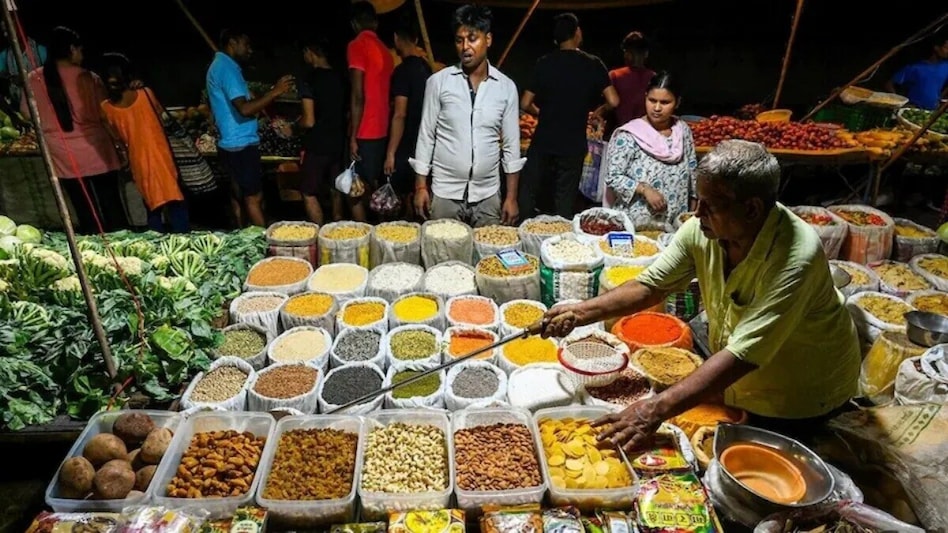
During the holiday period, when people are actively preparing for purchases, cooking meals for guests, and stocking up on fruits and vegetables, rising prices are causing concern among ordinary citizens. In September, retail inflation reached 5.54%, up from 4.83% in August, marking the highest figure in the last 23 months. This increases financial pressure on essential spending.
The main worry for the population is the rise in food prices. In September, the rate of food inflation was 7.74%, indicating a significant increase in the cost of daily necessities compared to the same month last year. The increase in kitchen expenses inevitably affects other family expenditures, making budget management during holidays difficult for poor and ordinary people.
The most striking aspect of the inflation statistics is the sharp increase in the price of some essential goods. The inflation rate for onion prices in September was 108.09%, compared to 48.78% in August. This directly affects families who regularly use onions in their diet. Ginger price inflation reached 62.85%, while garlic prices rose by 54.62% compared to 43.60% in August.
Furthermore, the annual inflation rate for lemon reached 36.41%. The increased cost of these products affects not just the purchase of one or two items; since ingredients are used in preparing vegetables, legumes, and other home-cooked meals, the overall monthly ration budget can increase. During holidays, when consumption and purchases rise, this inflation is felt more acutely.
Nevertheless, there has been some decrease in prices for other items. In September, potato prices fell by 11.50% compared to last year, and tomato prices dropped by 8.62%, which may bring some relief to buyers of these two vegetables. However, this relief is not equal for all families due to the high cost of items such as onion, ginger, garlic, and lemon. Actual household expenses depend on which goods and in what quantity they purchase.
According to official data, retail inflation in rural areas was 6.08% in September, up from 5.24% in August. In urban areas, retail inflation rose from 4.31% in August to 4.88% in September. Furthermore, the inflation rate for food items was higher in villages: it stood at 8.06% in rural areas, compared to 7.18% in cities. This indicates that although inflationary pressure has increased in both villages and cities, rural families face more severe pressure.
The increase in food and daily needs expenditure relative to income can lead to reduced savings. Moreover, in September, inflation related to household expenses rose from 2.61% in August to 2.74%. Inflation in clothing and footwear prices also increased from 3.56% to 3.93%, showing that spending pressure is not limited to the kitchen.
The primary reason for the increase in inflation is the rapid rise in food prices. Additional worrying factors include high global crude oil prices and the weakening rupee. The increase in crude oil prices can put pressure on fuel and transportation costs. This, in turn, can affect final prices due to increased delivery expenses. Food prices, high crude oil prices above $100 per barrel, and the weak rupee may increase the risk of inflation in the near future. This means there is no guarantee of a quick price reduction anytime soon. If the prices of vegetables and other necessary goods remain high, household budgets may remain under pressure even after the holidays.
The main question for ordinary people is when inflation will decrease. It is difficult to give an exact timeframe at this moment. Relief will depend on how much food prices fall, as well as on the situation with crude oil and the rupee. Rising inflation is also a concern for the Reserve Bank of India. In September, retail inflation exceeded the bank's target of 4% for the fourth consecutive month. In this environment, the ability to ease interest rates is limited until there are clear signs of easing price pressure. The next important signal is expected in the October inflation data. According to the government program, the retail inflation data for October 2026 will be published on November 12, and this data will show whether the inflationary pressure seen in September has eased.