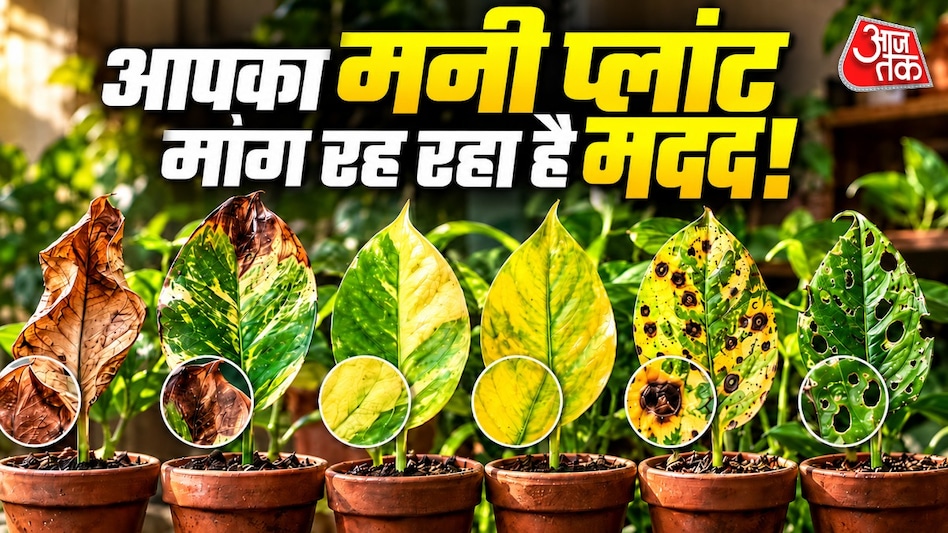
If someone has a hobby in gardening, they have likely planted a Monstera indoors. Many people like to place a Monstera in their home because it is believed to bring happiness, prosperity, and positive energy. Caring for it is relatively simple. Nevertheless, even with proper care, the Monstera's leaves can suddenly turn yellow, shrivel, or develop spots.
Seeing this condition of the leaves, people often assume that the plant is dying. Sometimes they mistake it for drought and stop caring for it. However, did you know that the plant starts giving signals about problems even before the leaves are damaged? In fact, the color, shape, and texture of the Monstera's leaves can tell a lot about its condition. Sometimes the leaves signal a lack of water, and sometimes they suffer from excess water or bright sun. Therefore, to save the plant, it is crucial to carefully examine its leaves. Next, we will look at six signs of Monstera leaves that will help you take timely care of the plant.
Signs of Monstera Leaves
- Dry and shriveled leaves (the plant is thirsty): If the edges of the Monstera leaves look brown, stiff, and shriveled, this directly indicates that the plant needs water. The soil has run out of moisture, and the plant requires immediate watering. It should be remembered, however, that water should not accumulate in the pot; only the soil needs to be moistened.
- Burnt brown spots (seeking shade): When large brown spots, resembling burns, appear on the leaf, it means that the plant has suffered from 'sunburn' due to the sun. The plant is signaling that it needs a shaded place. The Monstera should be protected from direct and intense sunlight and placed where diffused light penetrates.
- Paleness and fading of leaves (needs more light): If the Monstera leaves lose their dark green shine and become very pale or dull, this may indicate insufficient lighting. Keeping the plant in too dark a place leads to reduced chlorophyll production. It should be placed where good sunlight enters.
- Yellowing of leaves (a big mistake of overwatering): Often, people water the plant excessively out of love. If a leaf turns completely yellow or looks rotten, this is a signal from the plant to reduce the amount of watering. Overwatering creates a risk of root rot. Do not water again until the top layer of soil in the pot dries out.
- Round black or brown spots on leaves (fungal attack): If brown or black spots with yellow borders appear on the leaves, it means that the Monstera is infected with a fungal infection. The fungus develops due to high humidity or stagnant water on the leaves. Such affected leaves should be removed immediately, and the plant should be sprayed with tea tree oil or an antifungal spray.
- Holes and torn edges on leaves (insect attack): If small holes are visible between the Monstera leaves or the edges look chewed, it means that the plant has been attacked by insects or aphids. To combat this, wash the leaves with clean water and use an organic insecticide to protect the plant from pests.
A simple way to save the plant is to understand its signals. Monstera leaves not only decorate the house but also serve as an indicator of the plant's health. Therefore, instead of panicking when the color or shape of the leaves changes, first try to find out whether the plant needs water, light, or another form of care. If these small signs are recognized in time, you can take care of the plant before its condition deteriorates significantly, and your Monstera can remain green for a long time.