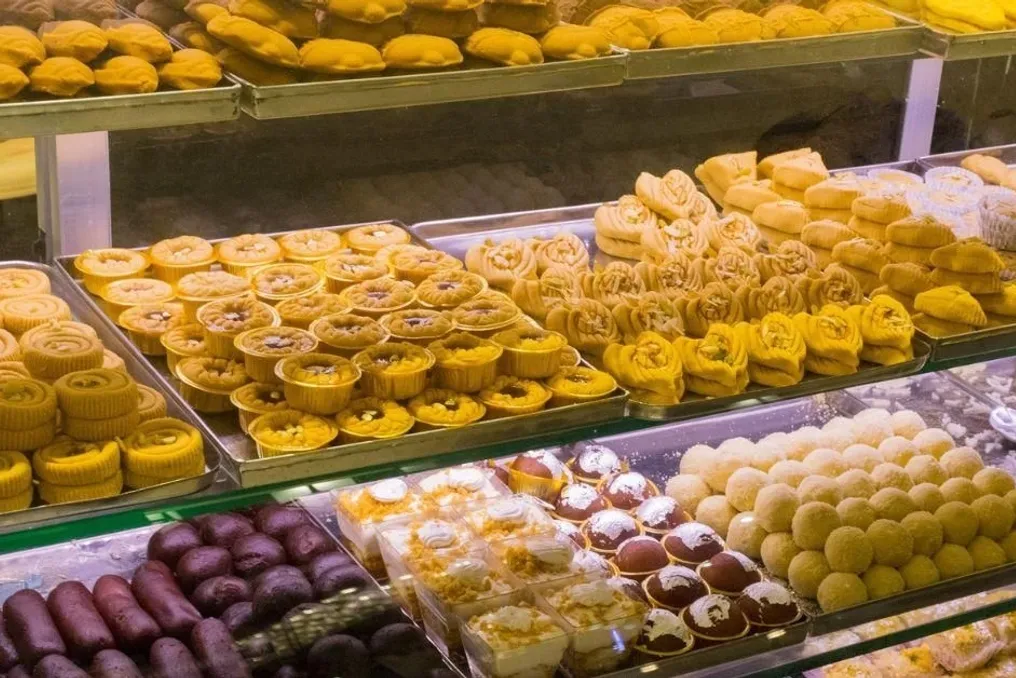
Mandatory display of expiration dates on open sweets in Uttar Pradesh starting October 15, 2026
Read more
Aaj Tak
www.aajtak.in

Mandatory display of expiration dates on open sweets in Uttar Pradesh starting October 15, 2026

In connection with the approaching festive season, residents of Uttar Pradesh must be aware of a new requirement: from October 15, 2026, sweets will need to display a 'Use By Date'. There are only two days left until this rule takes effect.

It is important to note that this regulation applies not only to packaged sweets but also to those displayed for sale in open form in stores.

The Commissioner of the Department of Health and Drugs, Dr. Roshan Jacob, issued a detailed order on this matter on September 27. The goal of this initiative is to provide buyers with clear information regarding the freshness, quality, and safe consumption period of sweets. After the new system is implemented, consumers will know exactly until what date the product remains fit for consumption.

According to the new rules, sweet vendors will be required to clearly indicate the final use date for all sweets displayed or stored in the store. This will allow customers to obtain information about the product's quality and shelf life. This information must be placed in a location easily accessible to buyers.

Previously, inspections by the department often revealed a lack of clear information regarding the manufacturing date and use-by date of sweets. The new system is being introduced to eliminate this gap and increase transparency in the sweet trade sector.

Under this rule, there is no single expiration date set for all types of sweets. Vendors determine the shelf life based on the nature of the sweet, the ingredients used, the production process, and storage conditions. The shelf life can vary from one to thirty days and will differ for different types of sweets. Therefore, manufacturers must set an expiration date corresponding to their specific product.

The new system places on vendors the responsibility not only for displaying the expiration date but also for maintaining the product's quality and adhering to food safety standards throughout the declared period. For example, if a seller sets an expiration date of five days, they are obliged to guarantee the quality and safety of the sweet during those five days. This period must correspond to the nature of the sweet and its storage conditions.

During holidays, demand for sweets increases. Under these circumstances, it is crucial for buyers to know how long they can use the purchased sweet. With the display of the 'Use By Date', buyers will be able to make purchases with greater information and will also be able to distinguish between sweets that have been stored for a long time.

This system, which comes into force in Uttar Pradesh on October 15, imposes new obligations on sweet sellers while providing buyers with a clear basis for knowing the shelf life of products.
Similar stories

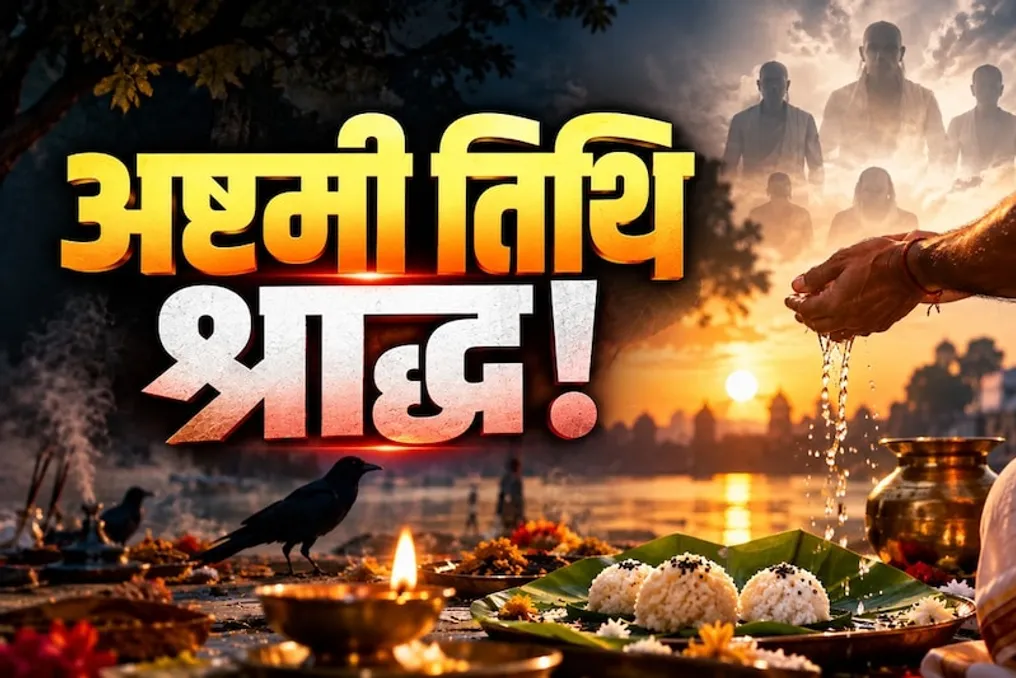
Pitru Paksha 2026: Sharaddha Ritual on Ashtami Tithi, Time and Tarpana-Pindadana Ceremony
Read more
www.aajtak.in

Pitru Paksha 2026: Sharaddha Ritual on Ashtami Tithi, Time and Tarpana-Pindadana Ceremony

During Pitru Paksha 2026, the Sharaddha ritual will be performed on Ashtami Tithi, which falls on Saturday, September 3rd. Special significance is given to Ashtami Tithi Sharaddha because it is intended for deceased individuals whose death occurred on the eighth day (Ashtami Tithi) either in the lunar or new moon phase of any month.

On this day, the tradition of performing tarpana, conducting a havan, panchbali, and offering food to Brahmins is observed. A detailed description of the time, auspicious moment, and procedure for the Ashtami Tithi ritual is presented next.

According to the Hindu Panchang, Ashtami Tithi will begin on October 3rd at 7:59 AM and conclude on October 4th at 5:51 AM. The Kutup Muhurta is considered auspicious for performing Sharaddha rituals. On October 3rd, the Kutup Vela will last from 11:46 AM to 12:34 PM.

When performing the Sharaddha ritual during Pitru Paksha, one must first prepare a seat made of Kusha grass. One should sit facing east. After that, incense and a lamp should be lit, and flowers, garlands, and offerings should be placed before the deities, sages, and ancestors. Then, clean water is taken in a vessel or plate, to which black seeds, raw milk, barley, and Tulsi leaves are added. An empty vessel is also kept nearby.

Next, a sacred amulet made of Kusha is worn on the ring finger. After this, taking the water, incense, coin, and flowers in hand, the person decides on the tarpana of the ancestors. Rose petals are added to the water for tarpana. While holding the akshata, invocations are made to the deities and sages. Then, tarpana is performed while chanting mantras. According to the worship procedure, the tarpana of the deities is done by facing east, and the tarpana of the sages—facing north. Traditionally, the water for the ancestors is offered while facing south.

A havan is also conducted as part of the Sharaddha ritual. The method of offering cow's milk, yogurt, ghee, and Kira into the fire is described. After this, as part of the panchbali, a portion of food is allocated for the cow, dog, and crow. To conclude the Sharaddha ritual, a worthy Brahmin is solemnly offered food. By tradition, the food can also be fed to a son-in-law or nephew. After eating, alms and offerings are given. Then, family members partake in the prasad.

Popular