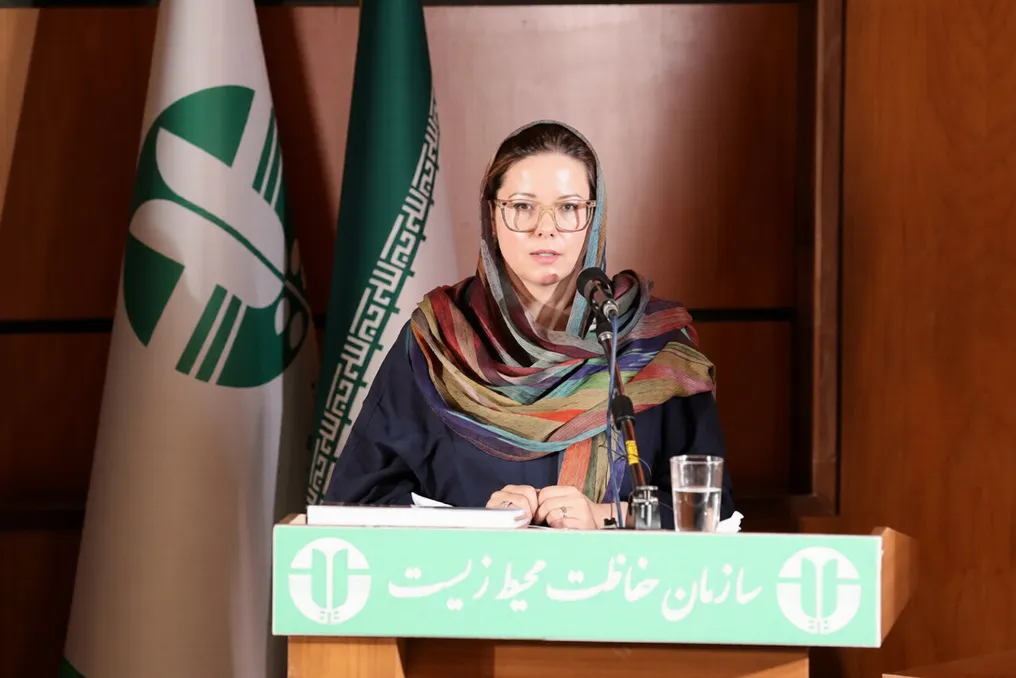
In Tehran, the UN coordinator in Iran, Christine Waigand, highlighted the long-term and large-scale environmental consequences of military actions. She insists that environmental protection must be included both in emergency response measures and in long-term recovery plans, as protecting nature ultimately ensures human health, livelihoods, and the future.
Speaking at a conference in Tehran on the environmental consequences of war and human rights, Waigand noted that besides human casualties, displaced families, and destroyed infrastructure, ecosystems have also suffered from conflicts. She warned that the damage inflicted on nature can persist for many generations.
The UN coordinator pointed out that conflicts and environmental degradation mutually reinforce each other, deepening the suffering of the population, undermining food security, and hindering the process of reconstruction and achieving sustainable development.
Waigand also recalled that in 2001, the United Nations established November 6th as the International Day for the Prevention of Environmental Exploitation in War and Armed Conflict. She emphasized that polluted water resources, damaged agricultural lands, and degraded ecosystems have consequences that extend far beyond the immediate destruction caused by war, impeding communities' ability to rebuild their lives.
Citing examples of environmental damage in the conflicts in Gaza and Ukraine, the UN representative touched upon the consequences of attacks on oil refineries and water infrastructure in Iran. It was noted that attacks on oil facilities led to the emission of smoke containing hazardous substances into the atmosphere of Tehran, and the damage to the desalination plant on Kish Island reportedly disrupted the water supply to over 25 villages.
Waigand also warned about the potential for oil pollution to reach the mangrove swamps of Kish Island, stressing that such contamination could threaten the sensitive coastal ecosystems of the Persian Gulf. She recalled her own experience of air pollution in Tehran after attacks on oil facilities, stating that for millions of people, this was not just an environmental problem but an issue directly affecting the air they breathe daily.
The UN coordinator cautioned that the disappearance of visible smoke does not mean the danger has passed. She explained that burning oil can release harmful compounds, and subsequent pollution can affect soil and water, impact agricultural produce, and threaten human health. These consequences can persist long after the conflict ends, with children and future generations being particularly vulnerable.
Emphasizing that investing in environmental protection is investing in people and their future, Waigand stated that healthy ecosystems support community livelihoods, provide clean water and safe food, and strengthen societies' resilience to crises. Conversely, the deterioration of these systems increases vulnerability and complicates recovery.
She called for scientifically based assessments, strengthening national environmental management capacity, cooperation between various sectors, and collaboration among national and international institutions, as well as investments in climate change adaptation to protect and restore the environment in conflict-affected countries.
Waigand also highlighted the long-standing cooperation between the UN National Group in Iran and national partners in areas such as climate change resilience, water resource management, biodiversity conservation, and pollution reduction. She affirmed the UN's commitment to continuing this interaction and its readiness to support national efforts to address emerging environmental challenges.
Concluding her speech, the UN representative stressed that the commitment to protecting and restoring nature must remain unwavering in the face of global environmental challenges. She concluded: 'Our shared responsibility is to protect what remains, restore what has been damaged, and invest in building a more sustainable and peaceful future for all.'