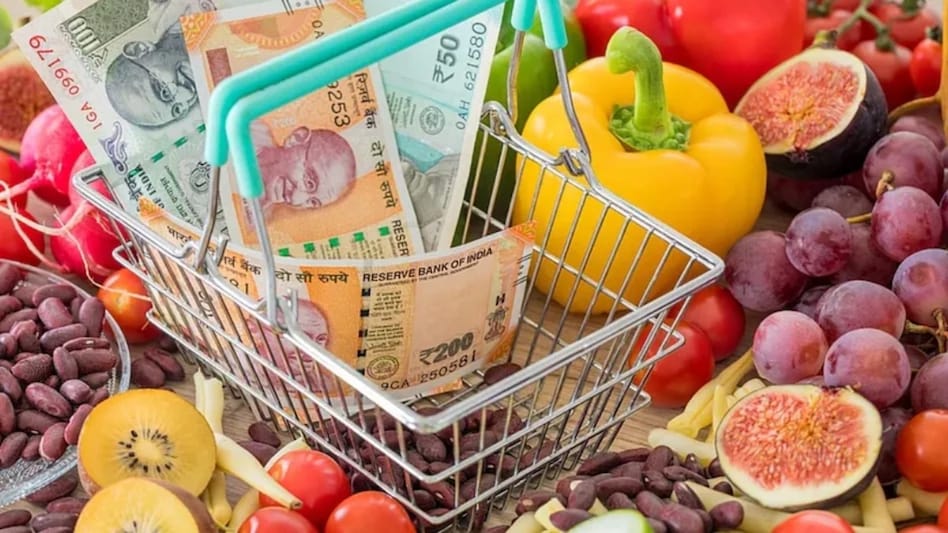
A significant increase in the level of inflation is being observed in India just before the start of the festive season. Data on retail inflation was published on Monday, causing concern. In September, retail inflation rose to 5.54%, compared to 4.82% in August, which represents an increase of 0.72% for the month.
The main factor driving the rise in inflation has been the increase in food prices. According to preliminary data released by the Ministry of Statistics and Programme Implementation (MoSPI), retail inflation in India reached 5.54% in September, while food inflation significantly accelerated, rising to 7.74%. These figures indicate that rising food prices are substantially affecting household budgets.
Retail inflation is calculated based on the Consumer Price Index (CPI), whereas food inflation is measured using the Consumer Food Price Index (CFPI). A comparison of these indicators is made between September 2026 and the same month last year.
In September, retail inflation in rural areas stood at 6.08%, while in urban areas it was at 4.88%, indicating stronger price pressure in rural areas compared to cities. Regarding food inflation, it was 8.06% in rural areas and 7.18% in urban areas. The overall inflation across the country in September was 7.74%.
In September, the largest price increase among listed items was recorded for onions, with an annual growth of 108.09%, compared to 48.78% in August. Additionally, the cost of silver jewelry increased by 87.80%. Ginger prices rose by 62.85%, and garlic inflation increased from 43.60% last month to 54.62%. There was also a noted rise in lemon prices, where inflation reached 36.41%.
Nevertheless, there was a decrease in prices for some items: potato prices fell by 11.50% year-on-year, and tomato prices fell by 8.62%. In September, inflation was also negative for motor vehicles, jeeps, okra, and coconuts. MoSPI reported that price data collection was conducted in 1407 urban markets and 1465 villages in states and union territories, including online markets. The feedback rate reached 100% in all rural and urban markets in September.