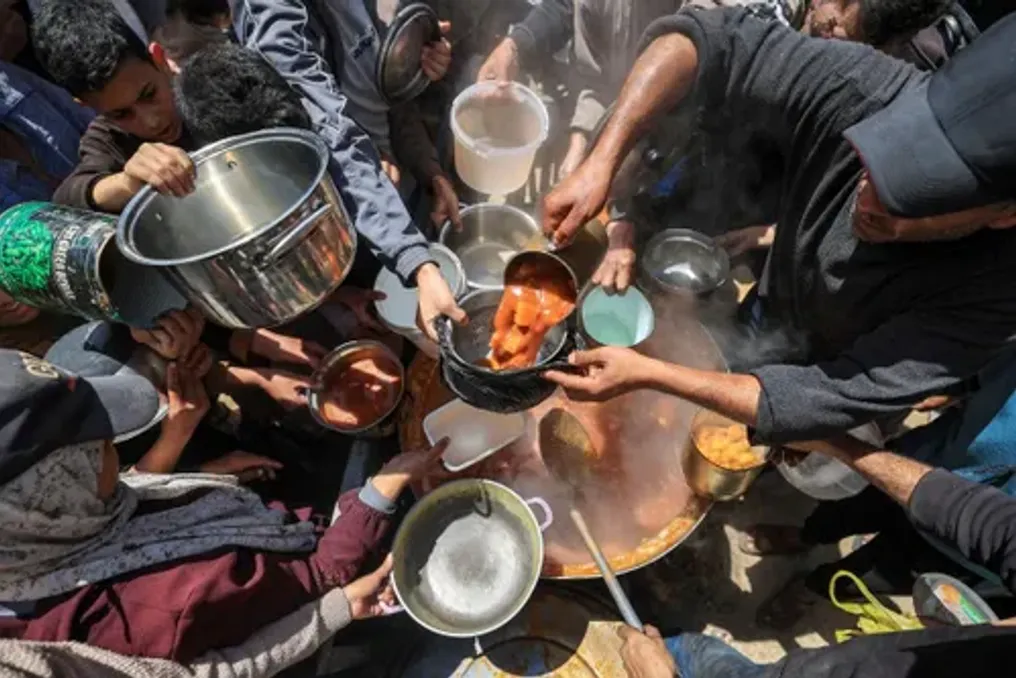
According to the report, global poverty has risen for the first time since 2010, with 1.2 billion people facing acute need, more than half of whom are children, the UN reports.
The United Nations Development Programme (UNDP) announced on Monday that the global poverty index has increased since its creation in 2010, bringing the number of affected people to 1.2 billion. In the annual 2026 report, the Oxford Poverty and Human Development Initiative, together with the UNDP, calculated that 51.5 million more people live in 'acute' poverty compared to the previous year.
UNDP Administrator Alexander De Kruu stated that the rise in poverty should serve as a 'wake-up call for the entire world.' He emphasized that behind these figures are 1.2 billion people experiencing compounding difficulties such as hunger, lack of education, and insufficient clean water or electricity, calling this unacceptable.
More than half of those in acute poverty are children. However, the UNDP noted that population growth is a significant factor in the increase, and new data was only available for 13 out of 108 developing countries covered by the report.
Although the total number of poor has increased, the report presents a mixed picture: some of the 33 countries reduced the percentage of the population living in poverty, as defined by the index, over the past 15 years. Six countries in Sub-Saharan Africa were among these nations. The UNDP indicated that Asian countries, particularly China and Vietnam, achieved the greatest progress.
As in the previous year, the report showed that most of the poorest people live in Sub-Saharan Africa and South Asia, especially on the Indian subcontinent—the world's most populous region. The press release notes that in Egypt, Nepal, and Tajikistan, both the level of poverty and the number of people suffering from multidimensional poverty have significantly decreased.
A decline in poverty was also observed in Angola and Zambia; however, population growth offset this decrease, leading to an increase in the number of people living in poverty. The poverty index used in the report includes indicators such as lack of adequate housing, sanitation, electricity, cooking fuel, food, and education.