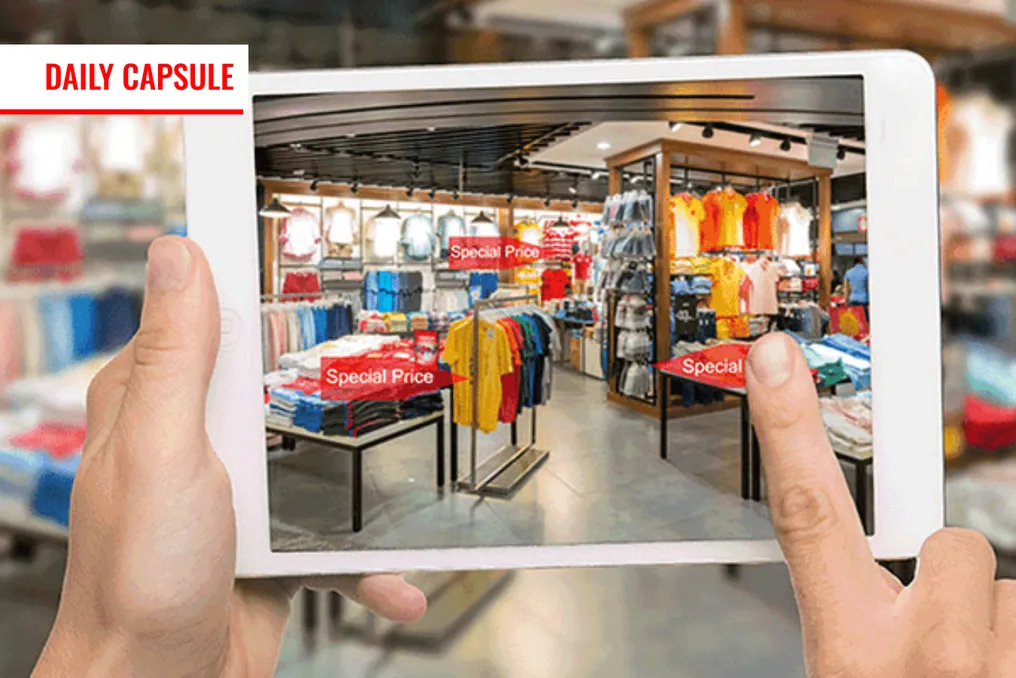
According to data from Redseer Strategy Consultants, e-commerce platforms collected approximately 24,000 crore rupees during the first two days of holiday shopping in India. Mobile phones accounted for the largest share by value. Around 6–6.5 crore buyers placed 8–9 crore orders, with demand spreading to electronics, home appliances, and clothing, especially among consumers in second-tier cities and smaller towns.
India's digital infrastructure is also attracting attention: Elon Musk announced his intention to make Starlink available in the country. This move could provoke competition with Reliance Jio Mukesh Ambani, as both companies await government approval for their satellite internet services, shortly before the planned $106 billion IPO of Jio Platforms.
As the adoption of artificial intelligence accelerates, issues of security and accountability are coming to the forefront. Microsoft CEO Satya Nadella called for an 'emergency brake' for advanced AI models, strongly recommending that companies assume the possibility of compromising these systems and build protective mechanisms from the outset. He insists on human-controlled shutdown mechanisms, independent audits, and immutable logs of AI actions to ensure transparency and accountability as AI agents become more autonomous.
Pressure for enhanced protective measures is also highlighted by independent AI security assessors. As OpenAI and Anthropic face increasing demands for third-party auditing of their models, concerns remain regarding assessor funding, access to sensitive systems, and their ability to operate independently, which strengthens calls for greater government oversight.
This newsletter also discusses events related to TechSparks 2026, where Zakir Khan, Varun Meiya, and Keshav Reddy will be speakers. The three-day summit will bring together founders, investors, and industry leaders to discuss AI, new technologies, and the evolving ecosystem of Indian startups. TechSparks 2026 will take place in Bengaluru from October 13 to 15 under the theme 'The New Technological Order.'
Key figures show that venture funding for Indian startups sharply dropped to $168 million per week from October 3 to 9, compared to $418 million the previous week. This decline occurred amid a lack of large deals, with the largest transaction being the $44 million funding round for myTVS. Investor interest was directed towards consumer electronics brands, while AI-focused investments remained an area of keen attention.