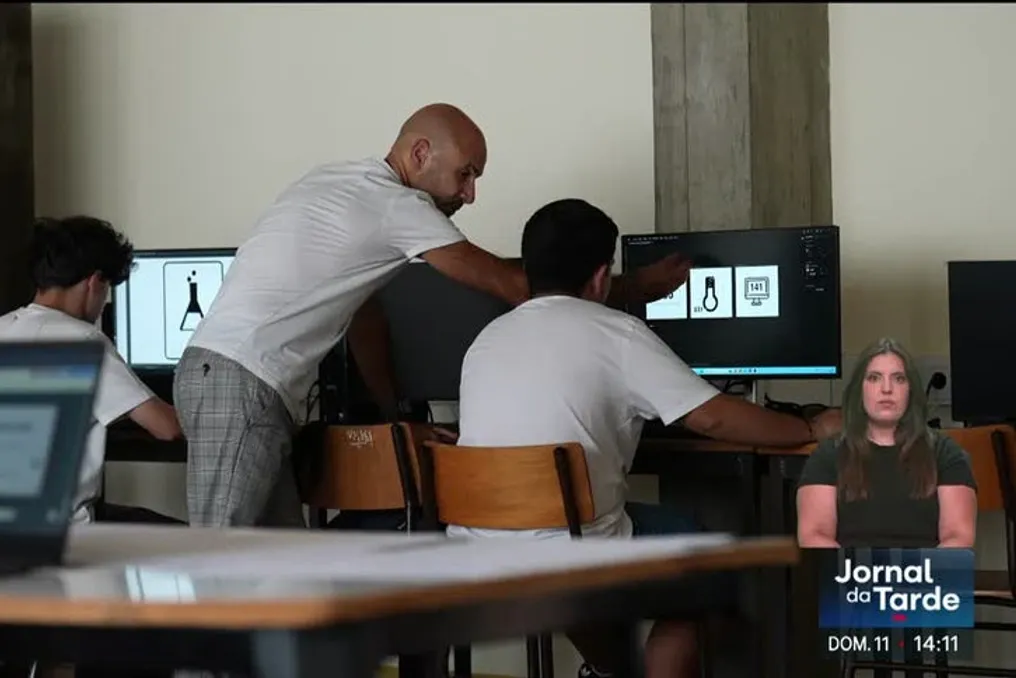
Artificial Intelligence will be incorporated transversally into the curriculum programs of educational institutions in Portugal, with implementation scheduled for the next academic year.
Similar stories
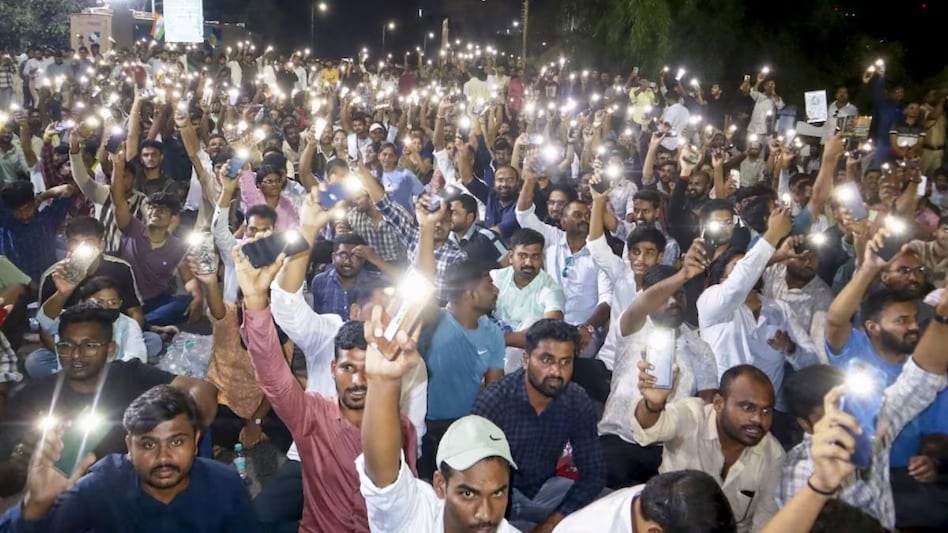
10-day agitation of MPSC candidates ends; Chairman Vivek Bhimnavar goes on leave
After the state government formed a committee to investigate paper leaks and alleged irregularities in the Maharashtra Public Service Commission (MPSC) and the resignation of the commission's chairman Vivek Bhimnavar, candidates concluded their ten-day protest late Sunday night.
A state government delegation, led by Minister Shivendraraje Bhosale, met with the protesters late at night to end the demonstration that had been ongoing for the past ten days at the SM Joshi Bridge in Pune. The delegation informed them that the investigation committee was constituted under the chairmanship of former judge Dilip Bhosale, with senior IAS officer and FDA Commissioner Tukaram Mundhe appointed as secretary.
However, the protesting candidates remained firm on their demand to remove MPSC Chairman Vivek Bhimnavar from his post. During this time, NCP (SP) MLA Rohit Pawar proposed that Bhimnavar should be kept away from his duties until the investigation is complete. Minister Bhosale conveyed the government's consent after speaking with Chief Minister Devendra Fadnavis over the phone, leading Vivekananda Patil, a representative of the MPSC candidates, to announce the withdrawal of the agitation.
Immediately after the agitation ended, MPSC Chairman Vivek Bhimnavar shared a post on social media (X) informing about his going on leave. He wrote that the state government has announced a judicial inquiry into the MPSC paper leak case. He further stated that since he has prioritized ethics throughout his life, he decided to take leave rather than remain in office until the investigation is complete.
This investigation committee, chaired by former judge Dilip Bhosale, includes IPS officer Lakshmi Gautam, former IAS officer Ganesh Patil, retired judge P.D. Naik, and IAS Tukaram Mundhe (Secretary). Additionally, the government has assured acceptance of other important demands made by the candidates.
Although the agitation has now ended, the candidates' focus will remain on the proceedings of the investigation committee, recruitment reforms, and the upcoming steps taken by the government.
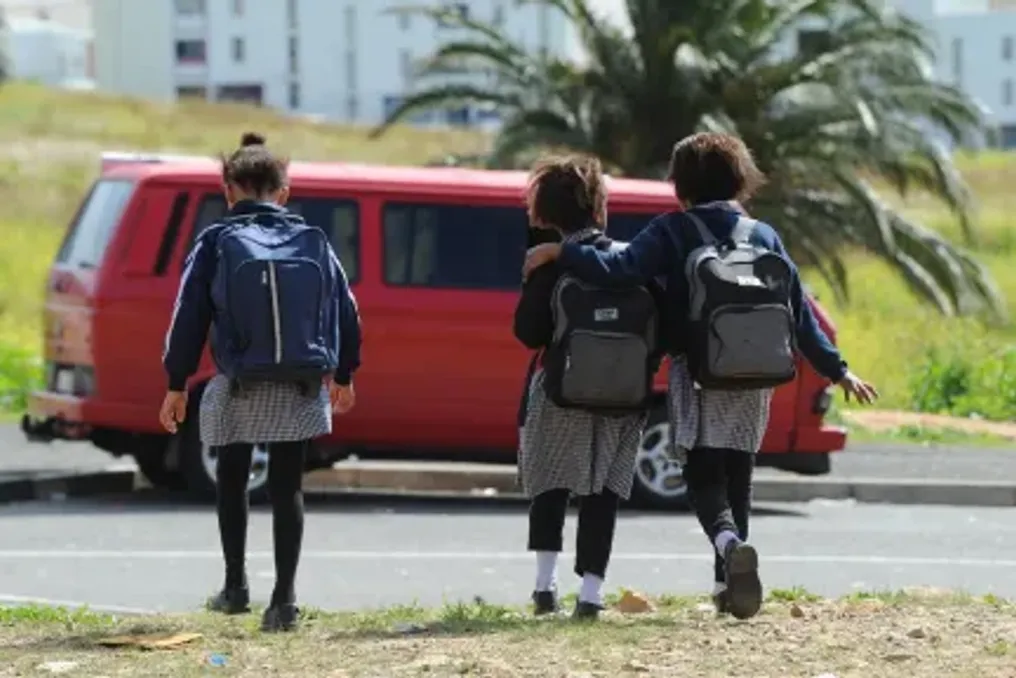
Western Cape Education Department provides temporary tariff compensation to school transport operators
The Western Cape Education Department (WCED) has approved a temporary reduction in tariffs for contractors involved in student transportation following a period of uncertainty caused by rising fuel prices and service sustainability concerns.
The Minister of Education for the Western Cape, Jaco Londt, confirmed that the department will implement a temporary contract adjustment covering the second and third school quarters of 2026.
Under the support package, operators will receive an increase in the total monthly payment by 5% for services rendered during the second school quarter, and by 4.2% for services provided during the third school quarter.
This decision was made after a dispute between WCED and the South African National School Bus Operators Council Western Cape (SANSBOC-WC), which had previously suspended student transport operations for one day this week.
One-day suspension affected 21,934 students
This break impacted 21,934 learners on the first day of the fourth academic term before operators agreed to resume service following negotiations with Londt and the department.
Londt stated that the approval of assistance came after consultations with student transport stakeholders and an assessment of the impact of fuel price increases on operators.
He noted: 'The Western Cape Education Department recognizes the financial pressure that rising fuel prices have placed on our student transport contractors.'
He added: 'Therefore, we have approved a temporary tariff reduction within our available budget for the second and third school quarters.'
Previously, the department indicated that it spends approximately 698 million rand in the 2026/27 financial year on transporting over 71,000 students daily.
Transport concerns were raised during the examination period.
Londt emphasized that this measure aims to maintain service operation while responsibly managing public funds. He stated: 'This decision followed consultations with student transport stakeholders and a thorough review of the impact of rising fuel prices on the sustainability of student transport services across the province, as well as budget availability.'
He also stressed: 'The Department remains committed to constructive engagement with school transport operators and their representative bodies to ensure that students continue to travel to school safely and reliably.'
The latest development brings temporary relief to a dispute that has caused concern among parents, schools, and rural communities, especially where contracted school transport is often the only practical way for children to get to school.
The timing of the agreement is also significant as the province enters its final examination period.
Long-term sustainability remains an unresolved issue
Londt mentioned that over 83,000 full-time and part-time candidates will take exams over the next two months, many of whom depend on public and contracted transport to reach examination venues.
He urged all parties to avoid further disruptions during the examination period. Londt warned: 'Every opportunity to sit an exam is vital. If a candidate misses an exam, they may only have the chance to write that subject next year.'
He cautioned that such delays could negatively affect access to higher education and employment opportunities.
The temporary tariff increase addresses the immediate financial pressure faced by operators in the second and third quarters, but the long-term sustainability of student transport contracts and future fuel price hikes remain an issue requiring continuous interaction between WCED and transport operators.
For now, the department states that its priority is ensuring the uninterrupted operation of services as schools enter one of the most critical periods of the academic year.