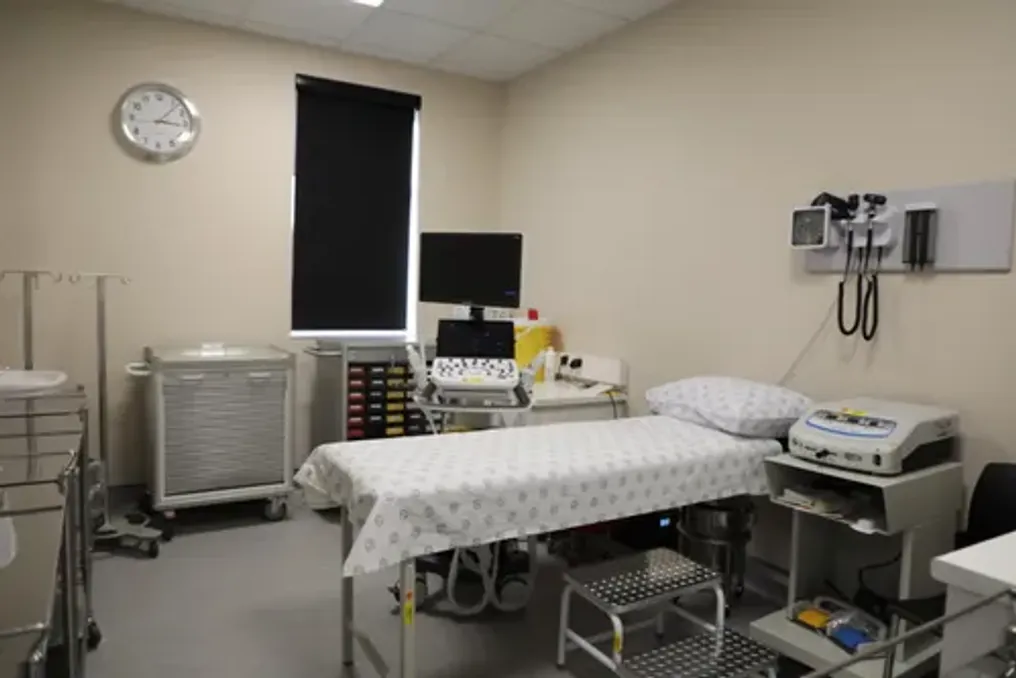
Mental health experts warn that the acute shortage of community-level resources and specialized beds in South Africa's healthcare system is overloading the public sector, as hundreds of thousands of patients receive treatment in the country's regional hospitals.
This followed a parliamentary inquiry conducted by Dr. Carl Willem du Pre le Roux, a DA party representative, directed at Health Minister Dr. Aaron Motsoaledi. The investigation focused on psychiatric hospital units, the availability of beds for mental illness treatment, and patient treatment statistics dating back to 2023.
Minister Motsoaledi emphasized that all South African hospitals provide mental health services both inpatient and outpatient. Service provision depends on the hospital's capacity, the complexity of the patient's condition, and the individual's ability to consent to treatment.
Motsoaledi specified that patients requiring further compulsory treatment, rehabilitation after a 72-hour assessment, or those needing a higher level of expertise or management in a safer environment are referred to dedicated psychiatric wards.
The Minister also presented an annual report on the number of patients with mental illnesses treated in hospitals from 2023 to June 2026. In 2023, 63,720 patients were treated in psychiatric hospitals, 65,218 in 2024, 60,332 in 2025, and 31,458 in 2026.
Furthermore, Motsoaledi reported that provincial (tertiary) hospitals treated 69,773 patients in 2023, 69,543 in 2024, 68,000 in 2025, and 36,060 in 2026 in their emergency and outpatient departments. Regional hospitals served significantly more patients: 175,642 in 2023, 194,126 in 2024, 196,307 in 2025, and 97,869 in 2026.
Dr. Kerry Lowe, Senior Lecturer in the Department of Psychiatry at Stellenbosch University, explained that the purpose of the 72-hour assessment process is to rule out medical conditions that may cause symptoms of mental disorders, stabilize acute conditions, and determine the need for further compulsory care before transfer to psychiatric hospitals for specialized treatment.
Lowe noted that the lack of mental health beds forces patients to undergo assessment and treatment in general medical wards or emergency rooms, where they do not receive proper psychiatric evaluation and management. This can lead to delays in receiving specialized care, slowing down the start of adequate treatment, missed diagnoses, and adverse incidents related to staff and patient safety.
According to her, the emergency and outpatient components of mental health services constitute a significant part of care and must be considered when planning service delivery, as well as when investigating systemic problems and intervention outcomes. Since many patients are observed and discharged in emergency settings, data from this sector is critical for understanding the use and capacity of the healthcare system.
When examining factors affecting the volume of patient treatment in regional hospitals compared to provincial tertiary and specialized psychiatric hospitals, Lowe pointed out that regional hospitals are the primary entry points for users of mental health services and bear a huge burden on the front lines of the disease fight.
Dr. Lowe also highlighted the issue of 'yo-yo patients,' who relapse due to non-adherence to treatment regimens, lack of medication, undertreated conditions, co-morbid medical issues, substance abuse, or social stressors. Furthermore, there are bottlenecks related to delays in accessing specialized psychiatric hospitals, and the specialized hospitals themselves face difficulties with patient discharge and prolonged stays.
The reason for this is the complexity of mental illnesses; severe mental disorders require a long period of stabilization, and difficulties in finding safe exit plans for patients are due to the lack of community-level resources. There is a shortage of funding for institutions providing stepped or transitional care, psychosocial rehabilitation programs, community active treatment teams, and community-based residential services.