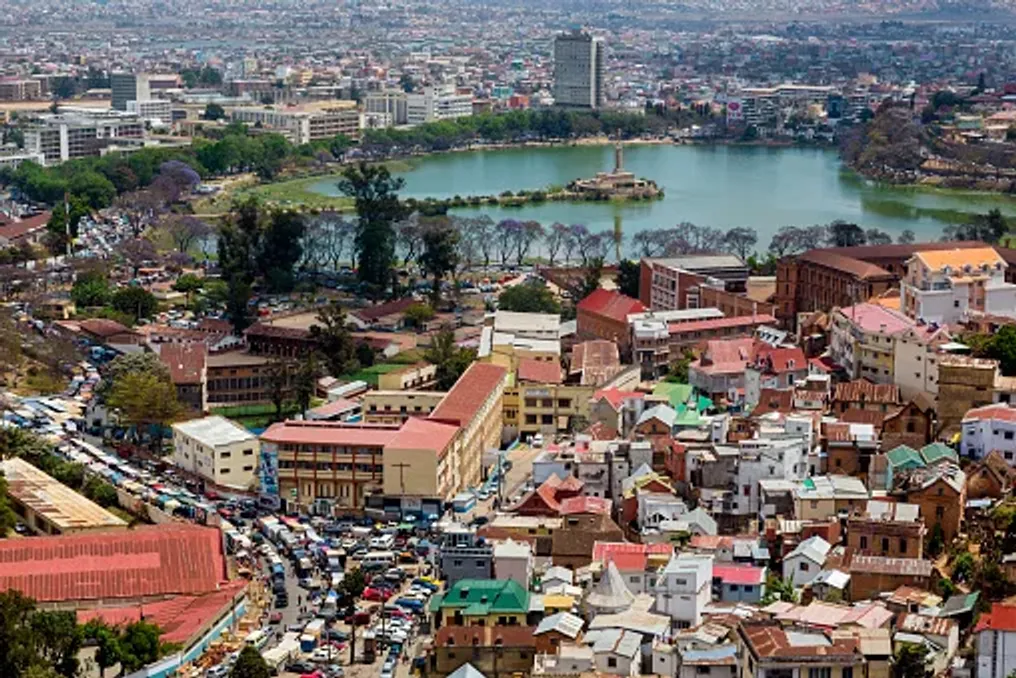
Madagascar is known for its unique fauna, including ring-tailed lemurs, chameleons, and baobab forests. However, the island's capital, Antananarivo, offers a different perspective on the country: steep hills are dotted with red brick houses, bustling streets are filled with markets, and traditional Malagasy cuisine reflects centuries of cultural exchange.
Often called Tana, the capital is more than just a gateway to Madagascar's national parks. Its royal history, highland traditions, architecture, and daily street life provide numerous opportunities for exploration over two days. With some planning, visitors can discover a city shaped by the Merina kingdom, French colonial rule, and modern Malagasy culture without spending the entire trip searching for wildlife.
Exploring the Historic Center
Begin your introduction to Haute-Ville, the upper part of Antananarivo, where historical buildings line steep streets, and the city's royal past is visible in its architecture. This elevated district offers a different perspective on the capital, showcasing tiled red-roofed houses and the vibrant lower districts sprawling across surrounding hills.
Be sure to visit Rova Antananarivo, also known as the Queen's Palace. This historic royal complex is situated on one of the city's highest points and is closely linked to the Merina monarchy, which expanded its influence across most of Madagascar before French colonization. Despite fires, restorations, and political changes, its position above the city remains an important part of Antananarivo's identity. From the surrounding viewpoints, one can observe how the city developed across the landscape of ridges and valleys.
After touring the royal hill, spend time walking through the surrounding streets. Historic churches, old residences, balconies, and traditional red-brick buildings reveal the various influences that have shaped the city. Antananarivo's architecture reflects both local Malagasy building traditions and the period of French colonization, creating a city where old houses and institutions coexist with modern shops, cafes, and residential areas.
Keep in mind that the streets can be steep, so allocate enough time to explore without rushing. A guided tour can also provide useful context about the Merina kingdom, local customs, and the history of buildings that might otherwise be easily missed.
Gastronomic Immersion in the Highlands
Make lunch an introduction to the highlands cuisine of Madagascar. Rice, known as 'vary', is the staple of Malagasy dishes and is usually served with 'loaka', meaning a meat, fish, or vegetable accompaniment. Among two traditional dishes worth trying are romazava and ravitoto. Romazava is a broth or stew of meat and leafy greens, while ravitoto is made from mashed cassava leaves, traditionally cooked with pork. Both dishes are often served with rice.
Next, head to Analakely, one of Antananarivo's most famous commercial districts. Its markets and adjacent streets offer a lively glimpse into daily life, where vendors trade fresh produce, clothing, household goods, textiles, and other necessities. The experience here is less about finding a souvenir and more about observing how the city functions: buyers negotiate prices, traders arrange goods, and pedestrians move through busy streets.
Visitors interested in local crafts can also look for handmade items and textiles, though it is advisable to verify the origin and materials of anything sold as traditional craft. Since the markets are lively public spaces, valuables should be guarded, a small amount of cash should be carried, and permission should be sought before photographing people.
The evening can be spent in one of the city's established gastronomic areas, such as Isoraka, where restaurants offer Malagasy dishes alongside French-influenced and international cuisine. This is an opportunity to explore another side of the capital's culinary culture. Madagascar's history and its location in the Indian Ocean have contributed to the diversity of the culinary landscape, where local ingredients blend with influences from Europe, Africa, and Asia. Choose a restaurant offering regional specialties or enjoy a leisurely dinner with a glass of fresh juice and a traditional dish. After a day spent navigating busy streets and steep hills, a relaxing evening will be a pleasant change of pace.
Day Two: From Breakfast to the Lake
The second day can start with a traditional snack or breakfast. Look out for 'mofo gasy', small rice cakes prepared in round molds, or 'koba', a sweet dish made from ingredients like rice flour, peanuts, and banana. These items give insight into daily eating habits that are easily missed while traveling between major attractions. Breakfast can be supplemented with coffee or tea before returning to the city.
If you prefer a more familiar start, Antananarivo also has bakeries and cafes influenced by French culinary traditions. The contrast between a local snack spot and a neighborhood bakery reflects the different layers of the capital's culinary culture.
Next, head to Lake Anosy, a heart-shaped lake in the southern part of central Antananarivo. The lake and its surroundings offer a change of pace compared to the crowded shopping streets, providing water views of the city. This area is also associated with the Monument aux Morts, a memorial honoring Malagasy soldiers who died during World War I. The monument and its surroundings allow for reflection on another chapter of Madagascar's modern history.
From there, explore more of central Antananarivo, including the area around Avenue de l’Indépendance. The wide avenue, commercial buildings, and adjacent streets convey the feeling of the city's modern rhythm—from shopping and commuting to meeting for coffee. Time must be allocated for traffic jams, and local conditions should be checked before heading out, especially if planning to visit several areas in one morning.
Use the last lunch to try another Malagasy dish. If you tried romazava on the first day, order ravitoto or look for grilled zebu, the hump-backed cattle that long held an important place in Malagasy food and culture. Meals in the highlands often focus on rice and seasonal vegetables, with garlic, ginger, and other spices adding flavor. Fresh fruits and local snacks are also worth trying when available. For travelers who learn through food, asking the restaurant about the ingredients and preparation methods can be as rewarding as ordering an unfamiliar dish. The capital unites products and culinary traditions from across the island, making it a useful starting point for understanding Madagascar's regional diversity.
Conclude the visit by revisiting an area that caught your attention, browsing a craft shop, or stopping at a cafe. Instead of trying to cram in another major attraction, use this time to appreciate the everyday details of the city.
Antananarivo is not a place best explored entirely on foot without prior preparation. Its hills, traffic, and busy roads can cause short distances to take longer than expected. A local guide or driver can help connect hard-to-reach areas on foot, freeing up more time for exploration. If you have extra time, consider a separate trip to Ambohimanga, a historic royal settlement northeast of the capital. Its royal complex and fortified hill are closely tied to the history of the Merina kingdom and offer additional context to the traditions encountered in Antananarivo. If you plan to include it, allocate more time than for a quick city stop.
Central Antananarivo is situated on steep hills, and traffic can be intense. Walking is suitable for exploring individual areas, but a driver or guide will facilitate movement between more distant spots. Incorporate flexibility into your itinerary instead of relying on exact travel times. The cooler and drier months, roughly from April to October, are generally comfortable for exploring the central highlands of Madagascar. However, conditions vary, and the rainy season can bring heavy downpours and more challenging road conditions. Check the forecast before traveling and dress in layers, as temperatures may be cooler than visitors expect. Comfortable walking shoes are essential due to uneven streets and steep inclines. Bring a light jacket, sun protection, and a small backpack. Modest, practical clothing is appropriate when visiting historical and religious sites. As in any busy capital, be vigilant about your surroundings, especially in crowded markets and transport hubs. Keep phones and valuables out of sight when not in use, use reliable transportation, and seek local advice regarding areas to avoid after dark. Check current travel advisories before departing.
Antananarivo can be a starting point for trips to Madagascar's forests, reserves, and wonderful wildlife, but the capital deserves its time. Its royal hill, noisy markets, highland cuisine, and layered architecture tell a story that cannot be understood solely through lemurs. Two days will not reveal all facets of the city, but they will offer a valuable introduction to Madagascar's history and contemporary life. For travelers looking to slow down between flights and excursions, Tana is an opportunity to get to know the island not only as a wildlife destination but also as a place shaped by people, food, culture, and the rhythm of a working capital.