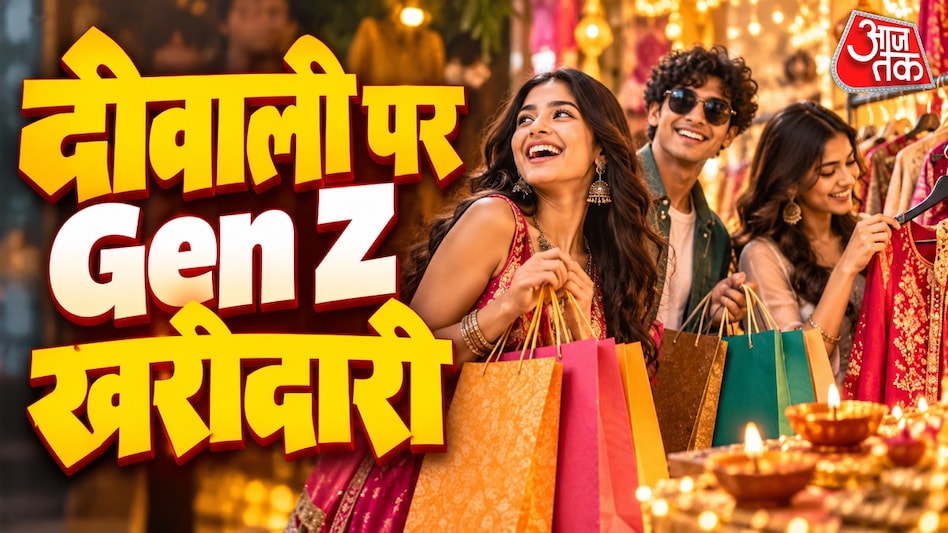
In the country, there is traditionally a high level of consumer activity during festivals, with purchases significantly increasing during Diwali. A wide range of acquisitions are made during this festival—from items for religious rituals to electronics, jewelry, and furniture. Previously, previous generations preferred to buy goods in physical stores because online shopping was not as popular. However, the current generation has largely shifted to online purchases. The question arises whether their approach to shopping is uniform or depends on the type of item being purchased. A recent study revealed some very notable data.
According to a joint study by Snapchat and GWI, when purchasing electronic goods, Generation Z approaches the process in a highly planned manner. Fifty-five percent of respondents have already planned what they want to buy for Diwali, whether it is a laptop, TV, watch, or phone. Furthermore, 52% of consumers seek the opinion of their family or friends before making any purchase to determine what they should choose and within what price range.
Preliminary Online Research
The study also showed that 50% of people conduct preliminary research on a product or item before buying, studying all the details. They find out which brand is best and what the price is on different platforms. Of these buyers, 45% compare the product across all parameters before making a purchase decision. Generation Z continues comparing until they find the best combination of price, quality, and features.
Is the Phone the Busiest Seller During Diwali?
Although many phones may be sold during Diwali, much more is sold. During Diwali, a new phone owner can be seen in many homes. The joint study by Snapchat and GWI confirms this. According to the study, 71% of Gen Z intend to purchase a phone for Diwali.
Significant Spending on Cosmetics and Personal Care Products
The situation changes when it comes to cosmetic products and personal hygiene items. According to the study, when buying cosmetics, Generation Z is more influenced by advice from others and social media. When purchasing personal care and beauty products, Gen Z prefers either to receive more advice or conduct more research. The study shows that 53% of Gen Z plan in advance what they want to buy for the festive season. Moreover, 49% draw inspiration for new products before Diwali, looking at various options to understand what would be appropriate for them. 45% of consumers consult other people's opinions for a deeper understanding of the item. About 29% of Gen Z visit stores, photograph, or film the product to share it with family and friends and get their feedback.
The Picture Changes Dramatically in Express Delivery
The picture is completely different in the express delivery segment: Generation Z uses it mainly for urgent needs. 61% use it to buy items for Diwali for the family. Among such items, snacks and sweets are the most popular (74%), religious items (65%), flowers and decorations (64%), and lamps and candles (61%). Here, the need for deep research was lower, and items were ordered directly.
Fashion is the Main Spending Category for Gen Z During Diwali
According to the study, fashion is the largest spending category for Gen Z during Diwali. 68% of Gen Z buy or plan to buy clothes for Diwali. Of these, 46% plan clothing purchases in advance, while 49% make spontaneous purchases alongside planning. Furthermore, 43% start preparing for clothing purchases at least a month before Diwali. Thus, for Gen Z, buying fashionable clothes during Diwali represents a combination of systematic approach and sudden decisions.
Yagnes Ravi, Head of Advertiser Solutions at Snapchat, notes that Gen Z's purchases during Diwali are not limited to simply choosing a product. They first study the item and gather information, and then discuss it with their close friends and family. For Gen Z, the opinion and approval of trusted people are very important when making a purchase decision. According to Ravi, brands do not just need to showcase their product; they need to become part of those dialogues and moments when Gen Z searches, discusses, and ultimately makes the purchase decision.