Over 65,000 hectares of forests in central-western Victoria, Australia, have been designated as national parks, ensuring the preservation of habitats for hundreds of rare and endangered species.
The three new parks—Mount Buangor National Park, Pyrenees National Park, and Wombat-Larderderg National Park—officially came into effect after the Victorian Parliament passed legislation in November 2025. Wombat-Larderderg National Park is the largest among them.
According to Good News Network, these parks represent the first significant new national parks in Victoria in the last 15 years, marking an important milestone for the state's conservation efforts.
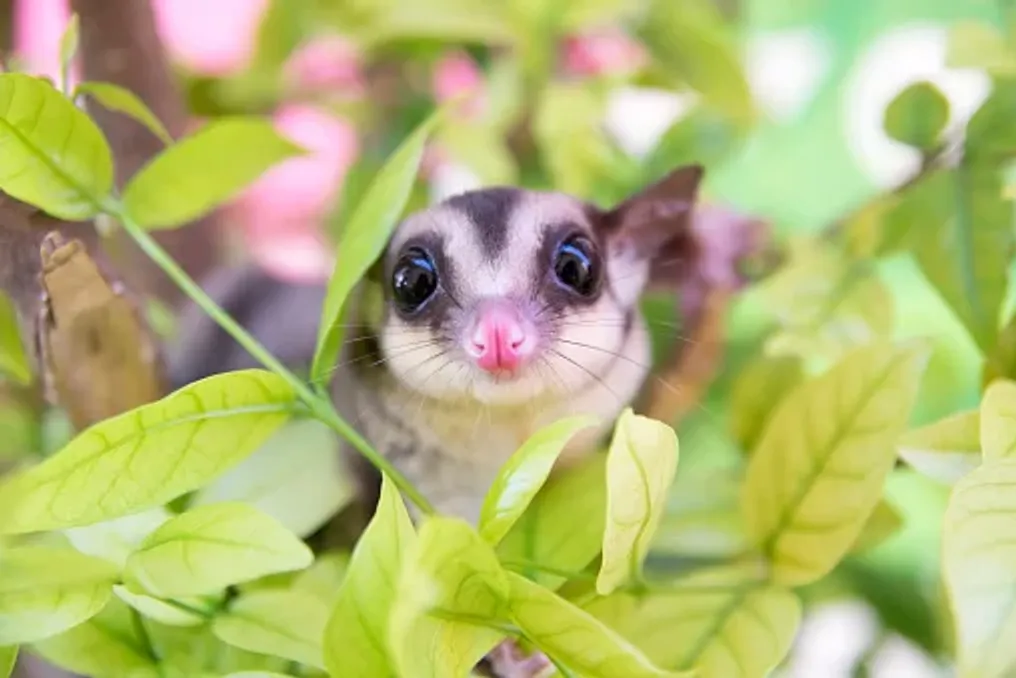
The protected forests serve as habitat for diverse fauna, including platypuses, large gliding mammals, goannas, fluffy-tailed wallabies, mountain lizards, and large owls. Furthermore, they support rare plant species such as Mount Cole grevilleas, as well as numerous fungi.
Additional Information
The Victorian National Parks Association (VNPA), in collaboration with community groups such as Wombat Forestcare and Wilderness Society, welcomed the announcement following a multi-year campaign to protect the forests.
VNPA Executive Director Matt Ruckle called the new parks an important achievement for nature and local communities, acknowledging the state government's contribution to ensuring their protection.
Gail Osborn, founder of Wombat Forestcare, emphasized that these forests provide a vital habitat for many species, and protecting these ecosystems is critical for the future survival of animals like koalas, gliding mammals, and owls.
The forest conservation campaign began in 2010 when Wombat Forestcare organized a public conference in Hepburn to unite the community around the proposed conservation areas. Subsequently, volunteers conducted ecological surveys and prepared reports documenting the landscape's importance, which helped justify the need for permanent protection.
The newly established parks are located on the traditional lands of the Dja Dja Wurrung, Eastern Maar, Wadawurrung, Wurundjeri, Gunaikurnai, and Taungurung peoples, who have cared for these landscapes for millennia.
Parks Victoria will collaborate with relevant communities and stakeholders to develop management plans over the next 12 months. The goal is to support the long-term ecological health of the forests while also allowing people to enjoy them.
Conservation groups have also pledged to participate in the planning process, advocating for the resources and management measures necessary to protect wildlife and preserve these important habitats.
The creation of the three parks represents a serious step toward conserving the central-western forests of Victoria and the diverse species that depend on them.