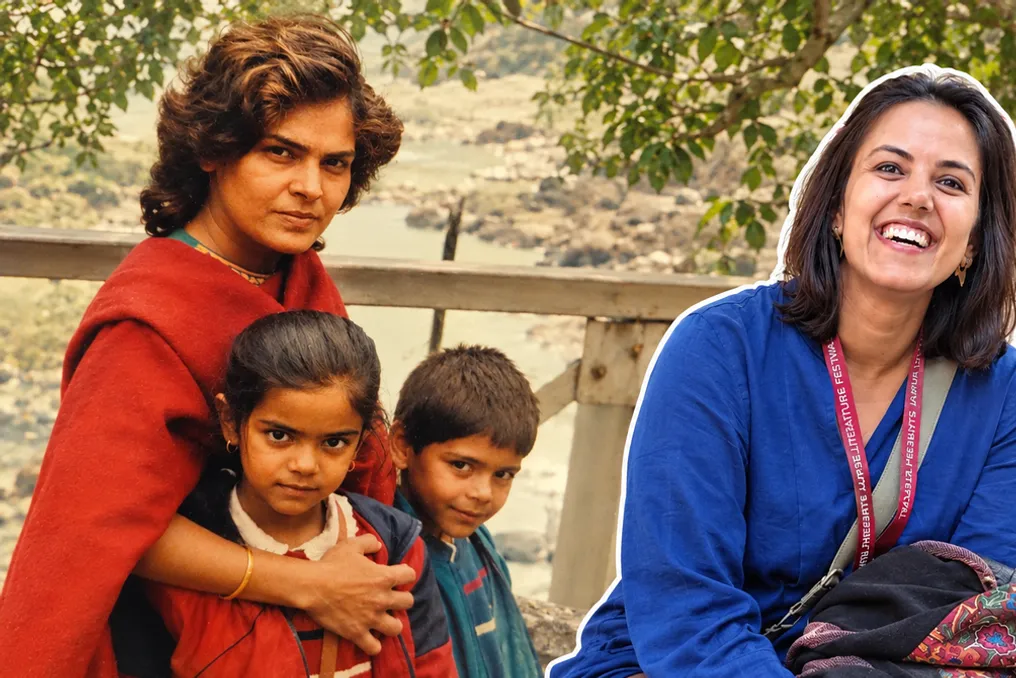
Neha Kirpal, whose mother suffered from undiagnosed and untreated schizophrenia for over two decades while having two children as primary caregivers, went through a long and difficult journey. The paranoia and hallucinations of the illness destroyed the family, forcing her mother to leave her own home for more than a decade. The process of searching for, treating, and caring for her mother, while growing up herself, became a prolonged ordeal for Neha.
Today, she is a co-founder of one of the country's largest mental health organizations—Amaha and India Mental Health Alliance. These organizations work to create and shape a nationwide care system for families like hers, as she told The Better India.
For the first twenty years of her life, Neha tried to stay away from her truth, as the story of mental health, shrouded in shame and stigma, was not how she wanted to define herself. At that time, there was no name for this condition, and no one understood the dysfunction her family was experiencing. The situation changed in 1994 when her mother took her younger brother and left home, remaining absent for ten years.
In her mother's absence, her father and Neha began seeing doctors and finally learned what their family was facing: paranoid schizophrenia. The hallucinations caused her mother fear, and this fear and paranoia were the reason for her departure.
The Invisible Gaze
A child of a parent with a mental illness carries fear, anger, resentment, exhaustion, guilt, and shame. These emotions remain inside and affect all areas of life: friendships, school life, and most importantly, self-perception. Neha felt as if an invisible, judgmental gaze was constantly watching her. Sometimes she blamed herself, sometimes her mother for the illness, and sometimes God for what had undermined their family so severely. The question arose: how do you protect a parent from themselves?
Even when overwhelmed or exhausted, a person feels that a loved one is suffering much more, and their suffering should be the priority. As a result, the person begins to minimize their own needs, accepting less as normal. For Neha, this resulted in a life marked by neglect and extremely low self-esteem. She also held onto the dream of a normal life, hiding parts of her life to appear ordinary. For a long time, she did not tell any friends or teachers at school about what was happening at home, as shame, secrecy, and embarrassment were constant companions.
When they found their mother and treatment began, a new phase of care started. Previously, she worried and longed for her parent's presence, but now she actively managed her hospitalization, medications, and treatment options, which continued non-stop for years. Although she reunited with her mother after a decade of separation, she did not recognize her as her mother. The illness had the power to destroy relationships, and it took them a lifetime to recover and heal together.
At around the age of twenty, she treated her parent against her will for an illness she was unaware of, while simultaneously trying to find work and earn a living. This made her hyper-self-sufficient: realizing she had no one to rely on, she decided to take care of herself. Thus began her path of self-help: mourning the loss of childhood with friends, therapists, and support groups while trying to regain a renewed sense of dignity and balance.
What didn't help was the lack of knowledge among others about mental illnesses and the difficulty people had interacting with the topic. Words were often absent or insufficient, expression was limited, and safety was practically nonexistent. Neha was among adults who turned away. Many accused her of abandonment and her mother's suffering, others condemned her for leaving her young daughter. Neither was helpful or supportive. This invisible loneliness lasted for years, and its impact was felt even longer.
Fleeing to Save Her Own Life
Like many children who react to trauma through fighting, fleeing, or freezing, Neha turned to sports. Hockey, badminton, swimming, running—anything that allowed her to stay in her body and in the present moment, far from fears and anxieties. Sport literally saved her life. It can never be a long-term solution; eventually, one must face their truth. But for a young person without tools and a support system, sport helped her reach twenty, when she finally found the opportunity to grieve.
By allowing herself to grieve, Neha understood the importance of boundaries and self-care: the necessity of preserving oneself while providing care. Distance gave her perspective, showing her that one could be a caregiver without losing oneself completely.
One Person Who Saw Me
Even one supportive adult helps children and youth. For Neha, it was her father's older sister. Her family served in the Air Force and moved frequently. But simply knowing that someone saw her and supported her with love became a huge pillar of strength. In her youth, she was always available for conversation so Neha could share her disappointment, anxiety, and fears. She found strength and hope knowing that this person cared for her.
People Who Supported Me
In adulthood, her main support and encouragement came from other caregivers and people with life experience in support groups. Hearing how they coped, how they navigated the healthcare system, what worked and what didn't, she gained understanding, validation, and hope. This supported her throughout the entire care journey more than anything else in the last two decades. Those who suffered and learned from their experiences can share invaluable lessons, as well as the resilient spirit that helped them overcome everything.
The Broken Healthcare System
There is an illusion of a care system where specialists always know what is wrong and how to fix it. With mental illnesses, it can be hard even to bring oneself to seek help and start exploring treatment options. Her mother's symptoms were first noticed in 1985, and it took almost ten years to see a psychiatrist and receive a diagnosis of schizophrenia. None of their general practitioners, relatives, or friends knew what this mental illness looked like or how to treat it. Overcoming personal shame, public stigma, and ignorance is a long road for any family, regardless of its resources.
All major decisions continue to fall entirely on the family, even when they are under specialist supervision. How should she be hospitalized if she doesn't want to? How should medication be given if she refuses? How should side effects be managed at home? They felt completely unprepared, and nothing in the care system helped them solve these big issues day by day. Months were spent searching for a psychiatrist in one place, a therapist in another, hospitalization in a third. Years were lost figuring out where to go and whom to trust with the care of a loved one.
From those early days, Neha dreamed that one day a care system would appear in this country that could meet the needs of the entire family in the field of mental health.
The situation caused by COVID exposed the need for mental health in every home. Almost every family in recent years has faced some form of grief, trauma, addiction, depression, and other mental health problems across different generations. The widespread recognition of mental health needs has reduced stigma and increased willingness to seek help. Many people turn to the overloaded psychiatric care system in crises. However, psychiatrists, psychologists, and inpatient care remain fragmented, unregulated, and inaccessible to most. The quality of care varies greatly, and it can either save or destroy a family in crisis. Misdiagnoses, incorrect treatment, and violations of basic human rights in psychiatric institutions still occur in many places. Treatment is expensive, and insurance coverage does not yet meet the requirements of the Mental Health Act, as it should compared to physical health. Therefore, families give up. Relationship breakdown becomes common, and the financial pressure of long-term care leads to poverty and hardship.
Despite good intentions to help, there are simply not enough mental health professionals to meet India's demands. Therefore, it is necessary to strengthen support for caregivers, support groups, and institutional offerings in schools, colleges, and workplaces so that people receive the necessary help in a timely manner.
Creating the Care I Lacked
For over ten years, her professional career was in a completely different field. In 2008, she founded India Art Fair and spent nearly ten years developing the contemporary art exhibition. But her family's experience with mental illness remained with her. In 2018, she stepped down and joined psychiatrist Dr. Amit Malik as a co-founder of Amaha. This was a chance to share her life experience and help create the care system her family needed but could not find.
Working on Amaha, they realized after COVID that many people seek help but do not receive the right kind of help. Therefore, they built a mental health ecosystem across the entire life cycle in partnership with the organization Children First. Today, they have over 300 clinicians, cover 600 cities and towns, and conduct about 40,000 sessions per month in 18 languages. Amaha has become an umbrella platform serving the mental health needs of all generations through numerous centers, hospitals, and online services. Their digital platform, with over 6 million downloads, provides information, self-help tools, mood trackers, and therapy to people across India and globally, as well as online therapy to Indians in India and worldwide.
Communications That Offer Support
Providing mental health care is not just the duty of professionals. Mental health belongs to all of us, and our collective responsibility is to support and nurture the mental well-being of our communities. With this in mind, over the last two years, she has dedicated herself to creating a national alliance of nearly 400 member organizations working in health, gender, livelihoods, and education; this is truly an intersectoral community that prioritizes mental health in national development. India Mental Health Alliance was founded by a group of people like her who had personal life experiences and were inspired to create a mental health ecosystem for India.
Everyone Waits for Someone Else to Speak First
Through her own experiences in her twenties and thirties, she realized how widespread this problem is. It affects every home, but it seems everyone is waiting for someone else to start talking. The more she spoke, the more people she met who wanted to listen and reciprocate. She wonders if everyone is seeking permission and safety to have this long-overdue conversation.
About a year ago, she traveled with Nandini Murali and ten other women, which culminated in the book 'Homecoming: Mental Health Journeys of Resilience, Healing and Wholeness'. They shared personal stories of their lives and reflected on what help and support worked and what did not. They hope that more people will start sharing their mental health stories—not only for their own healing but also to pass on this experience to others. Because every time you share, it changes the atmosphere. It makes the environment safer and allows someone to...
3.